Explore Guides
EUROPE / IRELAND
Triplandio Dublin guide covers 10 travel guides across 26 areas, complete with hotel picks. Explore 40 self-guided walking tours in Dublin with 138 POI, spanning 87 km in total. Get inspired by 10 local dishes, complete with recipes and our unique Food Flavour DNA graph.
Dublin
City & Country Data Dublin (Ireland)

Key travel data for Dublin — local prices, safety, healthcare, local currency and essentials, curated by Triplandio.
🌍 Ireland
Safety
100
Health
81
Lifestyle
83
Infra
80
Rank
#8
Score
68
Tourists
11.0M/y
GDP/cap
$131.6k
Life Exp
83.0 yrs
Population
5.5M
Currency
EUR €
Language
English
Payments
Cashless
Emergency
999
💰 Prices in Dublin
Coffee
$3.50
Beer
$5.00
Lunch
$15.00
Groceries
$50.00/w
Taxi/km
$1.50
Transit
$2.50
Fuel
$1.50/l
Internet
$50.00/m
Salary
$3,000/m
Travel tipsDublin (Ireland)

Quick tips
- Drug laws are strict — Critical
Possessing even small amounts of drugs, including cannabis, can bring heavy fines and prison in Ireland. Never carry a bag or parcel for anyone else through an Irish airport or port.
- Drive on the left — Caution
Traffic in Ireland drives on the left, and many rural roads are narrow and winding with stone walls on both sides. Take your time and pull in to let faster locals pass.
- Pay the M50 toll online — Caution
The M50 motorway around Dublin has a barrier-free toll between junctions 6 and 7. There is no booth — pay online by 8pm the next day, or hire cars pass on the charge plus a fee.
- Ireland is not in the Schengen area — Good to know
Ireland is in the EU but runs its own border controls, so a Schengen visa or Schengen stay does not cover it. Check Ireland's visa rules for your passport separately.
- Northern Ireland is a different country — Good to know
Northern Ireland is part of the United Kingdom, with pounds sterling and speed limits in miles per hour. There are no checks at the land border, but many visitors need a UK Electronic Travel Authorisation (ETA) to cross.
- Do
- Drive slowly on narrow rural roads
- Pack waterproofs in every season
- Pay the M50 toll by the next day
- Buy your round in the pub
- Check visa rules separately
- Don’t
- Call Ireland part of Britain
- Drink and drive
- Go past cliff barriers for a photo
- Assume a Schengen visa covers Ireland
- Drink in the street
Critical
Prison or heavy penalty possible
Laws & fines
- Low drink-driving limit — Critical
The drink-driving limit in Ireland is lower than in many countries, and even lower for learner, new and professional drivers. Police run random breath tests, so don't drink at all if you're driving.
Beaches & adventure
- Stay back from cliff edges — Critical
Irish sea cliffs such as the Cliffs of Moher have crumbling, unfenced edges and strong gusts. Keep to marked paths and behind barriers, especially in wind or rain.
Caution
Fines, losses or injury possible
Scams & safety
- Pickpockets in Temple Bar and Grafton Street — Caution
Pickpockets and bag snatchers work the crowds in Temple Bar, Grafton Street and around O'Connell Street. Keep bags zipped and phones out of back pockets.
- Phone snatching — Caution
Thieves on foot, bikes or e-scooters sometimes grab phones from people using them on Dublin streets. Step into a doorway to check maps and hold your phone firmly.
Laws & fines
- Drinking in the street is often banned — Caution
Local bylaws in Dublin, Galway and many other Irish towns ban drinking alcohol in public places, and police can confiscate drinks and fine you.
- No smoking indoors — Caution
Ireland bans smoking in all enclosed workplaces, including pubs and restaurants. Smokers use outdoor areas or beer gardens.
- Speed limits in kilometres — Caution
Speed limits in Ireland are in kilometres per hour, and speed cameras are common. Remember that limits switch to miles per hour when you cross into Northern Ireland.
Entry & visa
- Declare 10,000 euros in cash — Caution
Declare cash or travellers' cheques worth 10,000 euros or more when entering or leaving Ireland from outside the EU. Undeclared money can be seized.
Beaches & adventure
- Atlantic waves and currents — Caution
The Atlantic coast of Ireland has big waves, cold water and strong currents. Swim only at lifeguarded beaches in summer and watch out for large waves on rocks.
- Weather changes fast in the hills — Caution
Mist, rain and wind can arrive quickly in Irish mountains such as Connemara and Kerry. Carry waterproofs, a map and warm layers, and tell someone your route.
- Watch for sheep and cyclists — Caution
Sheep, farm vehicles and cyclists are common on rural Irish roads, often around blind bends. Slow down and be ready to stop.
Good to know
Rules and useful facts
Scams & safety
- Travel advisory: Level 1 of 4 — Good to know
Exercise normal precautions — the U.S. State Department's rating for Ireland.
- Late nights north of the river — Good to know
O'Connell Street and some streets in Dublin's north inner city can have antisocial behaviour late at night. Stick to busy streets and take a taxi back to your hotel.
Getting around
- Buses don't give change — Good to know
If you pay cash on a Dublin bus, you need coins, and drivers don't give change. Use a Leap card and the Transport for Ireland (TFI) Live app to plan journeys.
Laws & fines
- Limited hours for buying alcohol — Good to know
Shops and off-licences in Ireland can only sell alcohol from 10:30 to 22:00 Monday to Saturday and from 12:30 on Sundays. Pubs have their own later hours.
Tipping & money
- Two currencies on one island — Good to know
The Republic of Ireland uses the euro, while Northern Ireland uses the pound sterling. Shops near the border sometimes take both, but at a poor exchange rate.
Entry & visa
- Visa-free visits — Good to know
Many passport holders, including those from the EU, USA, Canada and Australia, can visit Ireland without a visa. The immigration officer decides how long you can stay, up to 90 days.
- No Entry/Exit System in Ireland — Good to know
Ireland is not part of the new EU Entry/Exit System (EES) for fingerprints and photos, so you won't register biometrics when arriving in Ireland.
- British and Irish citizens travel freely — Good to know
Under the Common Travel Area, British and Irish citizens don't need a visa to visit, live or work in each other's country. Some airlines and ferries still insist on a passport.
Health
- Call 112 or 999 — Good to know
In Ireland, dial 112 or 999 for an ambulance, police (Gardaí), fire service or coastguard. Contact your travel insurer quickly if you are referred to a hospital.
- EU and UK health cover — Good to know
EU visitors with a European Health Insurance Card (EHIC) and UK residents can use Irish public healthcare. Other visitors pay in full, so travel insurance is essential.
- Paying for prescriptions — Good to know
Irish pharmacies can fill some foreign prescriptions, such as UK and EU ones, but you pay the full price. Bring enough of your regular medicine for the trip.
- Tap water is safe — Good to know
Tap water in Ireland is safe to drink. Occasionally a local boil-water notice is issued — follow it and check the Uisce Éireann (Irish Water) website if unsure.
Local tips
Local know-how
Scams & safety
- Temple Bar prices — Local tip
Pubs in the Temple Bar area charge much more for a pint than elsewhere in Dublin. Walk a few streets away for traditional pubs with local prices.
Getting around
- Dublin Airport (DUB) → city centre — Local tip
Dublin Airport (DUB) has no train or tram. Express coaches such as Dublin Express and Aircoach and regular Dublin Bus routes reach the centre in about 30–45 minutes, depending on traffic.
- Leap card for buses, Luas and DART — Local tip
The Transport for Ireland (TFI) Leap card is a rechargeable travel card for Dublin buses, the Luas tram and DART (Dublin Area Rapid Transit) suburban trains, with cheaper fares than cash. Buy one at the airport or in newsagents.
- Taxis and apps — Local tip
Dublin taxis are metered and can be hailed or found at ranks. The FREENOW and Uber apps book licensed taxis, not private cars, at metered fares.
Customs
- Buying rounds in the pub — Local tip
In Irish pubs, groups often take turns buying drinks for everyone (a round). If you join a round, make sure you buy one when it's your turn.
- Order drinks at the bar — Local tip
In most Irish pubs you order and pay at the bar rather than waiting for table service. Traditional music sessions are informal, so listen quietly while musicians play.
- Don't call Ireland part of Britain — Local tip
The Republic of Ireland is an independent country, not part of the UK or Great Britain. Calling Irish people British causes offence, so avoid it.
- Irish on signs — Local tip
Road signs and place names in Ireland are shown in both Irish (Gaelic) and English. In Irish-speaking areas (the Gaeltacht) in the west, some signs are in Irish only.
Tipping & money
- Tip about 10% in restaurants — Local tip
In Irish restaurants a tip of about 10–15% is normal for good table service, unless a service charge is already on the bill. Nobody tips for drinks at the bar.
- Cards work almost everywhere — Local tip
Contactless card and phone payments are accepted almost everywhere in Ireland, including most pubs and taxis. Carry a little cash for rural bed-and-breakfasts and small shops.
- Prices are fixed — Local tip
Bargaining is not usual in Ireland, although you can ask for a discount at markets or for longer stays in small guesthouses.
Beaches & adventure
- Single-track roads — Local tip
Many scenic roads in the west, such as parts of the Ring of Kerry, are narrow with passing places. Tour coaches often travel one way, so drive in the same direction.
Through the year
Festival or season Public holiday (exact date)
- Atlantic storm season
Oct 2026–Mar 2027 · Named storms can bring gales, flooding and ferry cancellations, especially in the west; check Met Éireann weather warnings.
- Christmas Day
Fri 25 Dec 2026 · Public holiday
- St. Stephen's Day
Sat 26 Dec 2026 · Public holiday
- New Year's Day
Fri 1 Jan 2027 · Public holiday
- Six Nations rugby
Feb–Mar 2027 · Home rugby internationals in Dublin fill the city's hotels and pubs on match weekends; book early.
- St. Brigid’s Day
Mon 1 Feb 2027 · Public holiday
- St. Patrick's Day
Wed 17 Mar 2027 · Public holiday
- Easter Monday
Mon 29 Mar 2027 · Public holiday
- May Day
Mon 3 May 2027 · Public holiday
- Peak summer season
Jun–Aug 2027 · Long daylight until about 22:00, festivals and the busiest time on the Wild Atlantic Way; book cars and rooms well ahead.
- Bloomsday
Jun 2027 · On 16 June, fans of James Joyce's novel Ulysses dress in Edwardian costume and follow the book's route around Dublin.
- June Bank
Mon 7 Jun 2027 · Public holiday
- Gaelic games finals
Jul 2027 · The All-Ireland hurling and Gaelic football finals at Croke Park in Dublin are big national events that fill the capital.
- August Bank
Mon 2 Aug 2027 · Public holiday
- Halloween festivals
Oct 2027 · Halloween grew out of the Celtic festival of Samhain, and towns such as Dublin and Drogheda hold parades and events in late October.
- Dublin Marathon
Oct 2027 · The marathon on the last Sunday of October closes roads across the city and fills hotels.
- October Bank
Mon 25 Oct 2027 · Public holiday
Sources: GOV.UK travel advice · U.S. State Dept · Google public holidays
Best time to visit Dublin (Ireland)
Now (November) avg high: 11°C, mostly dry, full season — expect crowds. Best months to walk: May & Jun.
Live Temp
…
~Day / Night Temp
11°C / 6°C
Sunrise / Sunset
8:36 / 17:42
Local time
20:03
Sea Temp
11°C
Best Months  May & Jun
J
Jan
F
Feb
M
Mar
A
Apr
M
May
J
Jun
J
Jul
A
Aug
S
Sep
O
Oct
N
Nov
 D
Dec
J
Jun
J
Jul
A
Aug
S
Sep
O
Oct
N
Nov
D
Dec
Check Dublin hotels
Temperature
Average daytime high, month by month. Zero line marks freezing point.
Crowds
How busy it gets — traveller interest by month.
Sea temperature
Sea warmth for swimming, by month.
Rainfall
Rainy days to expect each month.
Sunshine
Hours of sun per day, by month.
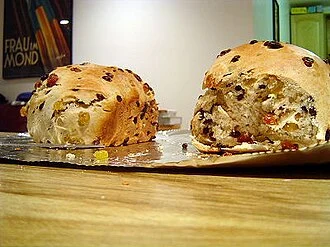
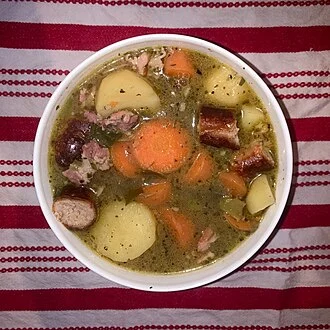
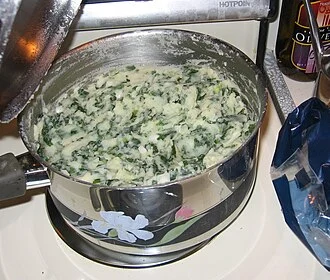
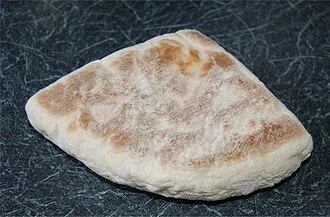
A traditional Irish fruit bread, often served at Halloween. A traditional Irish seafood dish featuring cockles and mussels. Classic Dublin dish of sausages, bacon, and potatoes. Mashed potatoes mixed with kale or cabbage. Sweet and succulent prawns from Dublin Bay. Traditional Irish quick bread made with baking soda. Hearty stew with lamb, potatoes, and vegetables.
Traditional Local Food
Dublin (Ireland)
Bread
Vegetarian
Barmbrack
Báirín Breac
BAH-reen BRAK
🐟
Starter
Fish & Seafood
Cockles and Mussels
Cóisirí agus Moilisc
KAW-shee-ree eh-GUS MO-lisk
Main course
Meat
Coddle
Cadharlach
CAD-her-lack
Main course
Vegetarian
Colcannon
Cál ceannann
KAHL KEE-un-un
🐟
Main course
Fish & Seafood
Dublin Bay Prawns
Nephrop Básce
nef-rop bas-ka
Bread
Vegetarian
Irish Soda Bread
Arán Sóide
Ah-rawn So-deh
Main course
Meat
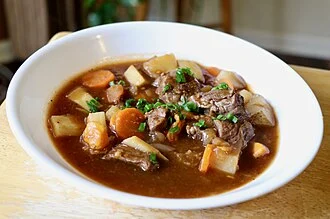
Irish Stew
Stobhach Gaelach
STO-ah ga-LAA