Explore Guides
EUROPE / CROATIA
Triplandio Split guide covers 10 travel guides across 19 areas, complete with hotel picks. Explore 34 self-guided walking tours in Split with 61 POI, spanning 56.4 km in total. Get inspired by 16 local dishes, complete with recipes and our unique Food Flavour DNA graph.
Split
City & Country Data Split (Croatia)

Key travel data for Split — local prices, safety, healthcare, local currency and essentials, curated by Triplandio.
🌍 Croatia
Safety
84
Health
60
Lifestyle
78
Infra
63
Rank
#38
Score
55
Tourists
21.6M/y
GDP/cap
$27.1k
Life Exp
78.9 yrs
Population
3.9M
Currency
EUR €
Language
Croatian
Payments
Cards OK
Emergency
112
💰 Prices in Split
Coffee
$2.45
Beer
$4.25
Lunch
$15.00
Groceries
$35.00/w
Taxi/km
$1.00
Transit
$1.00
Fuel
$1.22/l
Internet
$35.00/m
Salary
$1,506/m
Travel tipsSplit (Croatia)

Quick tips
- No fires or barbecues in summer — Critical
From 1 June to 31 October, outdoor fires and barbecues are banned in Croatia except in designated areas. Starting a wildfire on purpose can bring a fine of 2,000–20,000 euros or prison, and even an accidental fire can be fined.
- Landmines remain in former war zones — Critical
Unexploded mines from the 1990s war remain in parts of Eastern Slavonia, Brod-Posavina and Karlovac counties, around Zadar County and in remote parts of Plitvice Lakes National Park. Never leave marked paths in these areas.
- Low drink-driving limit, zero under 24 — Critical
Croatia's drink-driving limit is 0.05% blood alcohol, and zero for drivers under 24. Offenders face fines, losing their licence and possibly prison.
- No swimwear or bare chests in town — Caution
Split, Dubrovnik and other Croatian towns fine people on the spot for walking around shirtless or in swimwear, drinking in public, sleeping outdoors or climbing on monuments. Cover up when you leave the beach.
- Your stay must be registered — Good to know
Every visitor's address must be registered with the police within 48 hours. Hotels and most rentals do it for you; if yours can't, go to a police station with your host or hand in form 16a.
- Do
- Cover up when you leave the beach
- Carry your passport
- Wear water shoes on rocky beaches
- Book summer ferries early
- Pay card bills in euros
- Don’t
- Walk around town in swimwear
- Drink alcohol in the street
- Light a barbecue outdoors in summer
- Step off marked paths in mine areas
- Drink before skippering a boat
Critical
Prison or heavy penalty possible
Laws & fines
- Cannabis is not legal — Critical
Carrying cannabis for personal use is decriminalised in Croatia but still punished with sometimes heavy fines. Possessing or smuggling other drugs, including in airport transit, means long jail sentences.
- Never drink when skippering a boat — Critical
Croatia has zero tolerance for alcohol when you're in charge of a yacht or boat, with heavy penalties. Charter skippers also need an International Certificate of Competence (ICC).
Tipping & money
- Overcharging at gentlemen's clubs — Critical
Tourists in Croatia have been billed thousands of euros at some “gentlemen's clubs” and threatened with violence if they refused to pay. Avoid them, or agree prices in writing.
Caution
Fines, losses or injury possible
Laws & fines
- Public order fines up to 4,000 euros — Caution
Croatian police can fine you up to 4,000 euros for fighting, shouting and arguing in the street, drunken behaviour, or insulting a police officer or other official.
- Sail straight to a port of entry — Caution
Yachts arriving in Croatian waters must head directly to an official port of entry; landing elsewhere first can lead to arrest. Contact the harbour master if you can't reach one.
- Register your drone before flying — Caution
Under EU drone rules, you must register as an operator if your drone weighs 250 g or more or has a camera, and many areas in Croatia, including national parks and old towns, restrict flying.
Tipping & money
- Always pay in euros — Caution
When a card machine or ATM offers to charge you in your home currency, choose euros; the conversion rate offered is usually poor. Standalone cash machines in tourist areas often charge high fees, so prefer bank ATMs.
Entry & visa
- No meat or dairy from outside the EU — Caution
You cannot bring meat, milk or products containing them into Croatia from outside the EU, apart from exceptions such as baby milk. Declare cash of 10,000 euros or more.
Beaches & adventure
- No swimming at Plitvice Lakes — Caution
Swimming is banned in Plitvice Lakes National Park, and visitors must stay on the wooden boardwalks and trails. Arrive early in summer, as the park gets very crowded.
- Mountain weather changes fast — Caution
In Croatian mountains such as Velebit and Biokovo, weather can turn quickly even in summer and nights get cold. Stick to marked paths and call 112 for the Mountain Rescue Service.
- Flash floods in central Croatia — Caution
Flash floods can hit Croatia with little warning, disrupting roads and transport. The risk is highest in central Croatia between Karlovac and Slavonski Brod, so check forecasts and follow local advice.
Good to know
Rules and useful facts
Scams & safety
- Travel advisory: Level 1 of 4 — Good to know
Exercise normal precautions — the U.S. State Department's rating for Croatia.
- Pickpockets on the Riva and at the port — Good to know
Split's waterfront promenade (the Riva), the ferry port and the bus station are crowded in summer, and pickpockets work them. Keep valuables zipped away, especially while queuing for boats.
- Avoid Poljud on derby days — Good to know
Matches of Split's football club Hajduk at Poljud stadium, especially against Dinamo Zagreb, sometimes bring clashes between fans. Stay clear of the stadium area and fan groups around match time.
Laws & fines
- Carry your passport — Good to know
Visitors must carry their passport in Croatia. Keep a copy of the photo page somewhere separate in case it is lost or stolen.
Entry & visa
- Schengen rules: 90 days in 180 — Good to know
Croatia is in the Schengen area. Visitors from many countries, including the UK and US, can stay up to 90 days in any 180-day period, counting time in all Schengen countries.
- Check your passport dates — Good to know
Your passport must have been issued less than 10 years before you arrive and be valid for at least 3 months after you plan to leave the Schengen area.
- Fingerprints at the border (EES) — Good to know
The EU's Entry/Exit System (EES) now records non-EU visitors' fingerprints and photo on arrival instead of passport stamps. It is free, but allow extra time at the border.
- Be ready to show your plans — Good to know
Croatian border officers may ask for proof of accommodation, travel insurance, a return ticket and enough money for your stay.
Health
- Tap water is safe — Good to know
Tap water throughout Croatia is safe to drink, including in Split and Dubrovnik. Refill a bottle rather than buying plastic.
- Bring your health insurance card — Good to know
EU travellers need a European Health Insurance Card (EHIC) and UK travellers a Global Health Insurance Card (GHIC) for state healthcare in Croatia. There is always a charge for treatment, up to about 530 euros, so travel insurance still matters.
- Ticks in forests and meadows — Good to know
Ticks live in Croatia's woods and grassland, mainly in the inland regions. Wear long trousers on hikes, check your skin afterwards and remove ticks promptly.
- Summer heat is intense — Good to know
Dalmatian towns such as Split and Dubrovnik get very hot in July and August. Drink plenty, avoid sightseeing in the midday sun and use strong sun cream. For an ambulance, dial 112.
Beaches & adventure
- Respect the bura wind — Good to know
The bura is a violent, gusty northeast wind on the Adriatic coast, strongest in winter. It can close bridges, roads and ferry routes and makes sailing dangerous, so check forecasts.
Local tips
Local know-how
Scams & safety
- Room touts at the station — Local tip
People at Split's bus station and ferry port offer private rooms. Some are genuine, but you can't check the room, location or registration, so book through a reviewed platform instead.
Getting around
- Split airport (SPU) → centre — Local tip
Split Airport is about 25 km west of the city near Trogir. The airport shuttle bus goes to the bus station by the ferry port in about 30–40 minutes; taxis, Uber and Bolt also serve it.
- Everything is by the port — Local tip
Split's main bus station, railway station and ferry port sit side by side next to the old town, so you can walk between arrival and your boat.
- Catamarans to Hvar and Brač — Local tip
Fast catamarans and car ferries to Hvar, Brač, Vis and Korčula leave from Split's harbour. In July and August buy tickets ahead and arrive early, as boats sell out.
- Walk the old town — Local tip
The historic centre of Split, including Diocletian's Palace, is pedestrian and compact. Local buses reach Bačvice beach, Marjan hill and the suburbs.
Customs
- Cover up in churches — Local tip
Croatia is largely Catholic. Cover your shoulders and knees when visiting churches and cathedrals, and don't walk around during Mass.
- The 1990s war is a sensitive topic — Local tip
Many Croatians lived through the Homeland War of 1991–95. Avoid comparing Croatia with Serbia or calling it “the Balkans” in a throwaway way, and listen rather than argue if it comes up.
- Coffee is a slow ritual — Local tip
Croatians linger for an hour over one coffee, and waiters won't rush you or bring the bill until you ask. Catch their eye and say “račun, molim” when you're ready.
- Nudity only on marked beaches — Local tip
Naturism is popular in Croatia, but only on beaches signed as naturist or FKK (the German abbreviation for “free body culture”). Going nude on ordinary beaches can offend.
Tipping & money
- Tip about 10% for good service — Local tip
Croatia uses the euro. Service is rarely included in restaurant bills, so leaving around 10% for good service is appreciated. In cafés and taxis, just round up.
- Carry some cash for small places — Local tip
Cards are widely accepted in Croatia, but small konobas (family taverns), market stalls and island shops sometimes take cash only.
Beaches & adventure
- Wear water shoes on rocky beaches — Local tip
Most Croatian beaches are pebble or rock, and sea urchins live on the rocks. Water shoes protect your feet from both.
Say it locally
Greet shopkeepers with “Dobar dan” (good day) when you walk in, and add “molim” (please) to requests.
Through the year
Festival or season Public holiday (exact date)
- Coastal low season
Nov 2026–Mar 2027 · Many coastal hotels, restaurants and island services close or cut back, and ferry timetables thin out.
- All Saints' Day
Mon 1 Nov 2027 · Public holiday
- Remembrance Day
Wed 18 Nov 2026 · Public holiday
- Christmas Day
Fri 25 Dec 2026 · Public holiday
- St Stephen's Day
Sat 26 Dec 2026 · Public holiday
- New Year's Day
Fri 1 Jan 2027 · Public holiday
- Epiphany
Wed 6 Jan 2027 · Public holiday
- Easter processions
Mar–Apr 2027 · Holy Week is marked with processions in towns across the coast, including the all-night Za Križen procession on Hvar, listed by UNESCO.
- Easter Sunday
Sun 28 Mar 2027 · Public holiday
- Easter Monday
Mon 29 Mar 2027 · Public holiday
- Shoulder season
May–Jun 2027, Sep–Oct 2027 · Warm sea, open restaurants and far fewer crowds than in high summer; the best time for sightseeing and swimming together.
- Feast of St Domnius
May 2027 · Split's patron saint's day on 7 May brings a fair, processions and crowds to the old town.
- Labor Day
Sat 1 May 2027 · Public holiday
- Corpus Christi
Thu 27 May 2027 · Public holiday
- Statehood Day
Sun 30 May 2027 · Public holiday
- Day of Antifascist Struggle
Tue 22 Jun 2027 · Public holiday
- Peak season crowds
Jul–Aug 2027 · The coast and islands are packed and at their most expensive; book ferries, cars and rooms well ahead.
- Wildfire risk at its highest
Jul–Sep 2027 · Hot, dry, windy weather makes fires spread fast along the coast; follow local warnings and report smoke on 112.
- Ultra Europe festival
Jul 2027 · A huge electronic music festival at Poljud stadium fills Split in July; rooms sell out and prices soar.
- Victory Day
Thu 5 Aug 2027 · Public holiday
- Assumption of Mary
Sun 15 Aug 2027 · Public holiday
Sources: GOV.UK travel advice · U.S. State Dept · Google public holidays
Best time to visit Split (Croatia)
Now (November) avg high: 16°C, wetter month, moderate crowds. Best months to walk: Jul & Jun.
Live Temp
…
~Day / Night Temp
16°C / 9°C
Sunrise / Sunset
7:43 / 17:34
Local time
0:04
Sea Temp
19°C
Best Months  Jul & Jun
J
Jan
F
Feb
M
Mar
A
Apr
M
May
J
Jun
J
Jul
A
Aug
S
Sep
O
Oct
N
Nov
 D
Dec
J
Jul
A
Aug
S
Sep
O
Oct
N
Nov
D
Dec
Check Split hotels
Temperature
Average daytime high, month by month. Zero line marks freezing point.
Crowds
How busy it gets — traveller interest by month.
Sea temperature
Sea warmth for swimming, by month.
Rainfall
Rainy days to expect each month.
Sunshine
Hours of sun per day, by month.
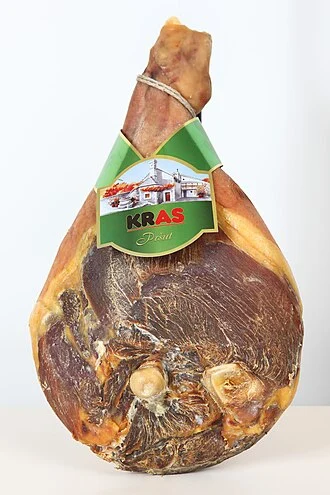
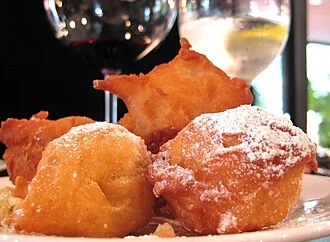
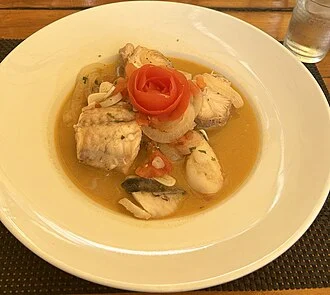
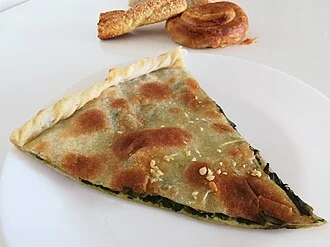
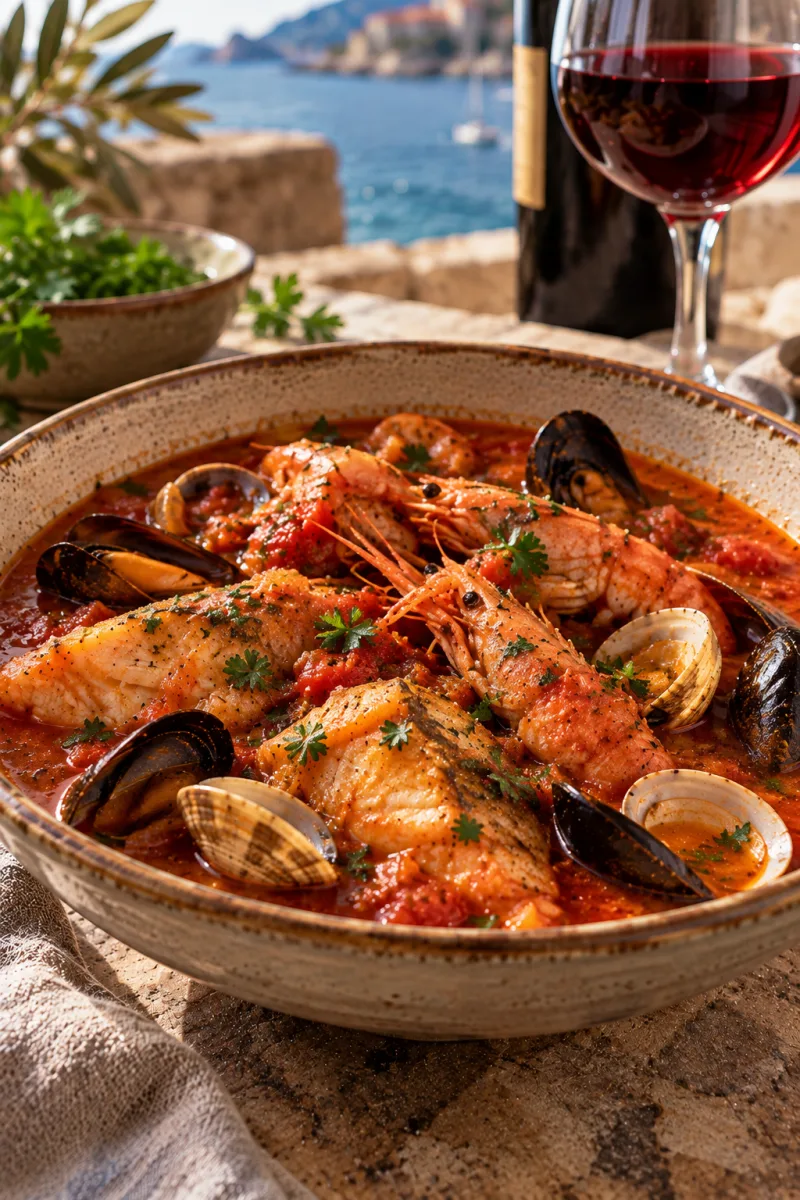
A creamy risotto made with cuttlefish or squid ink, giving it a black hue. A rich fisherman's stew made with various local fish, tomato, and wine. Shellfish cooked in a simple sauce of garlic, wine, and herbs. A traditional dry-cured ham, aged and smoked. Small, doughnut-like fritters dusted with powdered sugar. A traditional Dalmatian fish stew with potatoes, garlic, and parsley. A slow-cooked dish of meat and vegetables, traditionally prepared under a bell-like lid. A savory pie filled with Swiss chard, garlic, and parsley.
Traditional Local Food
Split (Croatia)
🐟
Main course
Fish & Seafood
Black Risotto
Crni rižot
TSIR-nee REE-zhot
 Main course
Fish & Seafood
Brodetto
Brudet
Broo-det
Main course
Fish & Seafood
Buzara
Boo-za-ra
Starter
Meat
Dalmatian Prosciutto
Dalmatinski pršut
DAL-ma-tin-skee PUR-shoot
Dessert
Vegetarian
Fritule
FREE-too-leh
Main course
Fish & Seafood
Gregada
GREG-ah-dah
🥩
Main course
Meat
Peka
PEH-kah
Main course
Vegetarian
Soparnik
soh-PAHR-neek