
Written for travellers who read the plaques — museums, composers’ houses and hotels with a past. Updated 2026.

Where to Stay in Vienna for History Lovers

Where to stay in Vienna if history is why you are going — imperial tombs, composers’ homes and Biedermeier lanes on foot.

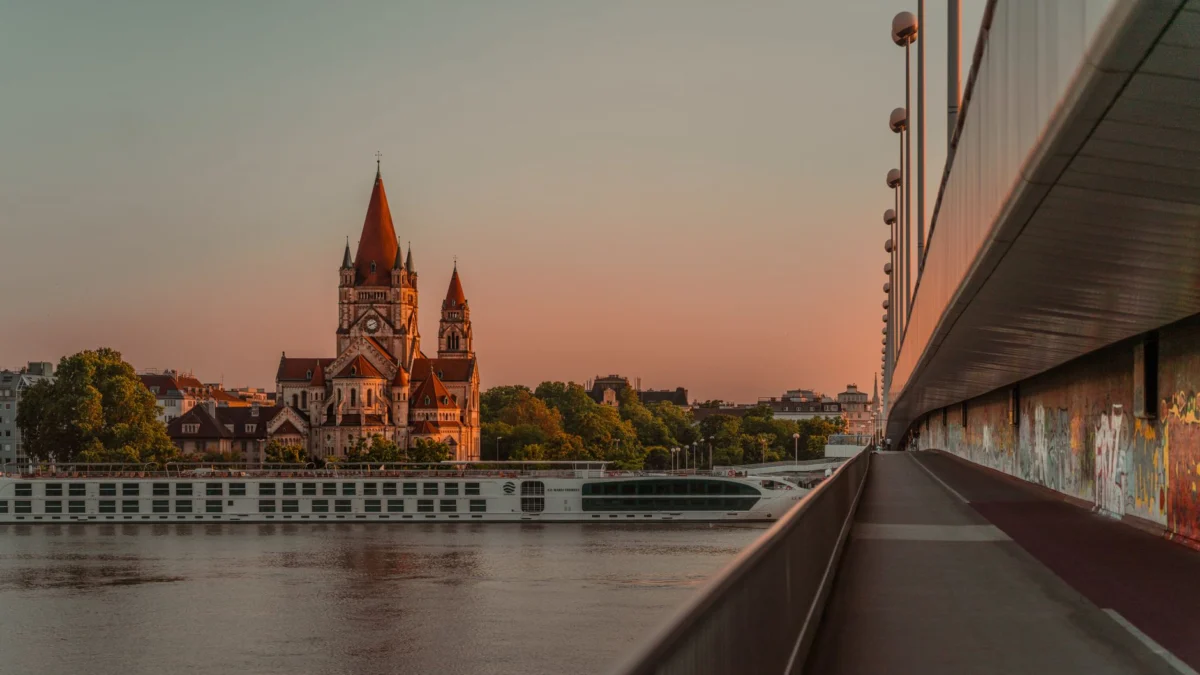
Stunning sunset view over Vienna's scenic cityscape
At a Glance
Country Austria
City Vienna
Day / Night 9° / 3°
Local Time 19:52
November — Now Peak season
Best Months Feb · Mar

The Habsburgs ruled from Vienna for more than six centuries, and its history is still lived in: Mozart’s flat, Haydn’s last house and the theatre where Beethoven’s Fidelio premiered are all still there to visit. This guide picks four bases — the medieval core around St. Stephen’s, Biedermeier Spittelberg by the museums, Mariahilf with its composers and theatres, and the wine village of Grinzing — with a walk, the sights worth your time and a hotel in each.

Top Vienna stays for history lovers

Best overall
⭐ 9.6
Hotel Sacher Wien

Hotel Sacher Wien

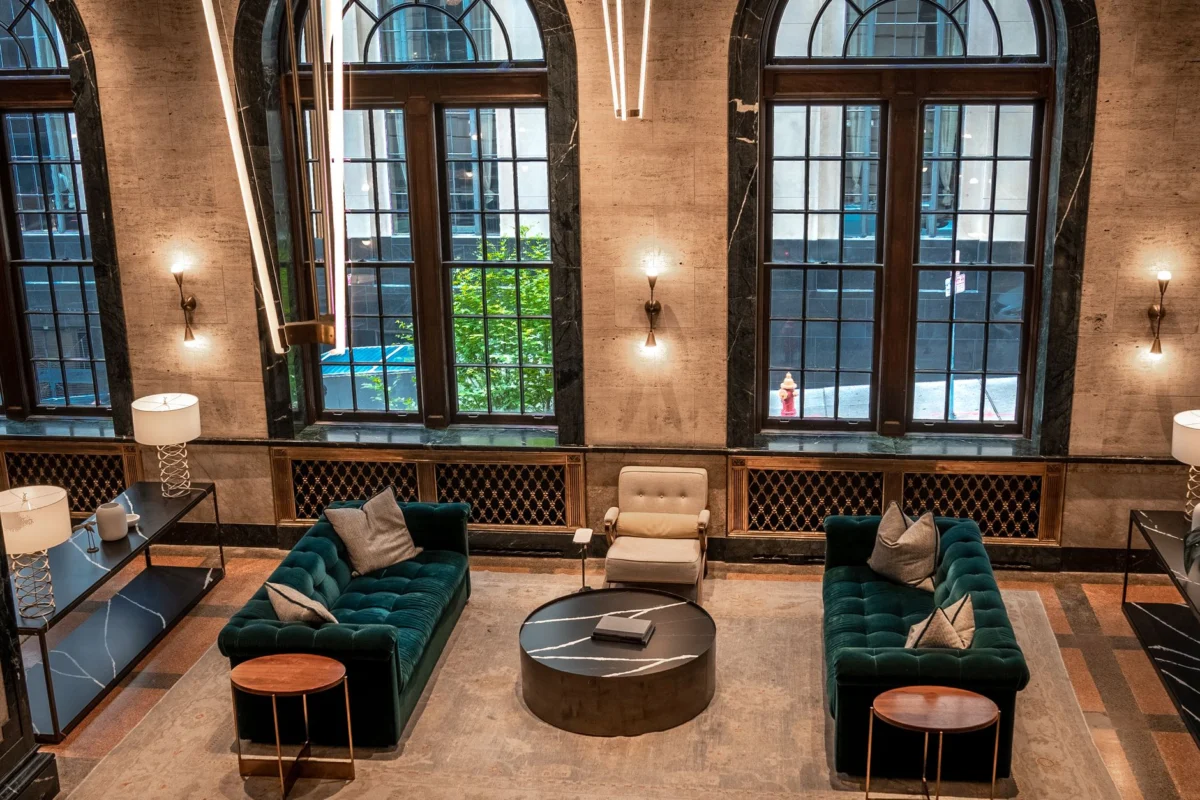
Opened in 1876 by Eduard Sacher on the site of the demolished Kärntnertor Theatre, directly opposite the State Opera. After 1945 the British used it as their headquarters, and Graham Greene drank at its bar while researching The Third Man. The hotel also has a gallery of 19th-century art.

Top pick
⭐ 9.5
Hotel Sans Souci, Vienna

Hotel Sans Souci, Vienna

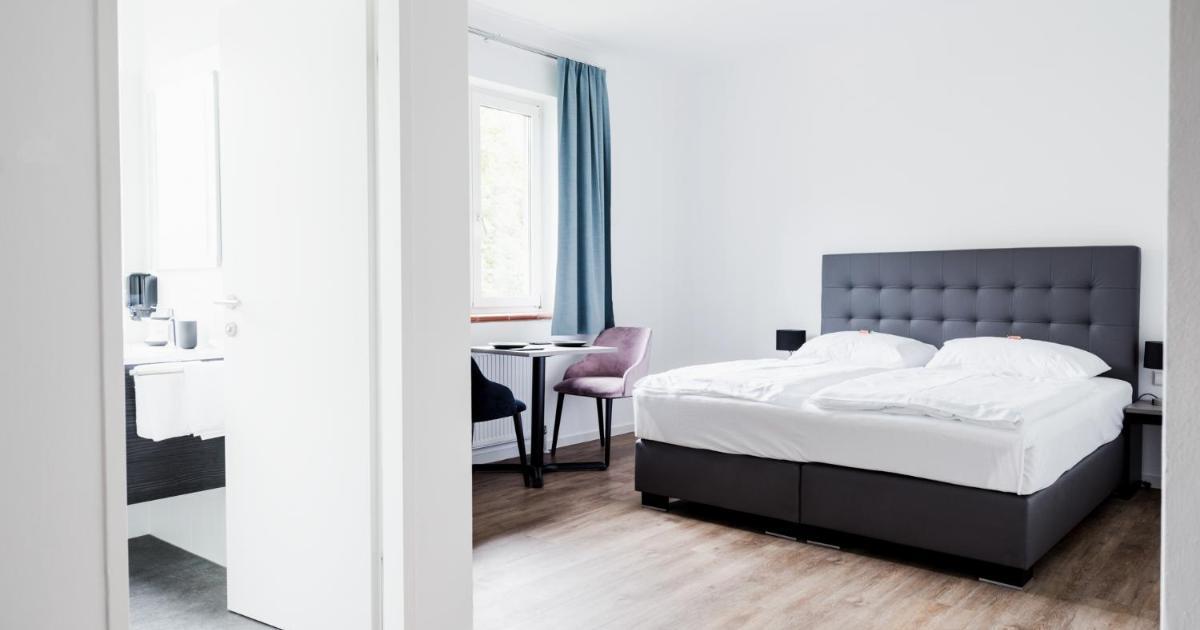
On Burggasse at the edge of Spittelberg, a couple of minutes from the MuseumsQuartier, the Volkstheater and the Kunsthistorisches Museum. You can be in front of Bruegel’s paintings at opening time and back in the Biedermeier lanes for dinner.

Walkable area
⭐ 9.5
Small Luxury Hotel Altstadt Vienna

Small Luxury Hotel Altstadt Vienna

A small hotel on Kirchengasse in Neubau, a few minutes’ walk from Spittelberggasse and the St. Ulrich church. It is a quiet base for days split between the museums and the Biedermeier streets.

Which chapter of Vienna do you want to live in?

Gothic and imperial, Biedermeier, composers’ Vienna or the wine villages — pick your era.

Best choice: Spittelberg

Best for: Museums & Biedermeier

Best choice: Mariahilfer Straße

Best for: Composers & theatres

Best choice: Grinzing

Best for: Wine village & composers

Best choice: Stephansdom (1st District)

Best for: Gothic & imperial core

Best hotels in Vienna for history lovers

From a hotel that has faced the State Opera since 1876 to small hotels a short walk from the Kunsthistorisches Museum.

Hotel Sans Souci, Vienna
Top pick
⭐ 9.5 Outstanding
1382 reviews

Hotel Sans Souci, Vienna

Spittelberg • Burggasse • Opposite the MuseumsQuartier

On Burggasse at the edge of Spittelberg, a couple of minutes from the MuseumsQuartier, the Volkstheater and the Kunsthistorisches Museum. You can be in front of Bruegel’s paintings at opening time and back in the Biedermeier lanes for dinner.

  • Steps from the MuseumsQuartier
  • Kunsthistorisches Museum nearby
  • Spittelberg lanes behind the hotel
Small Luxury Hotel Altstadt Vienna
Walkable area
⭐ 9.5 Outstanding
953 reviews

Small Luxury Hotel Altstadt Vienna

Spittelberg • Kirchengasse • Small hotel

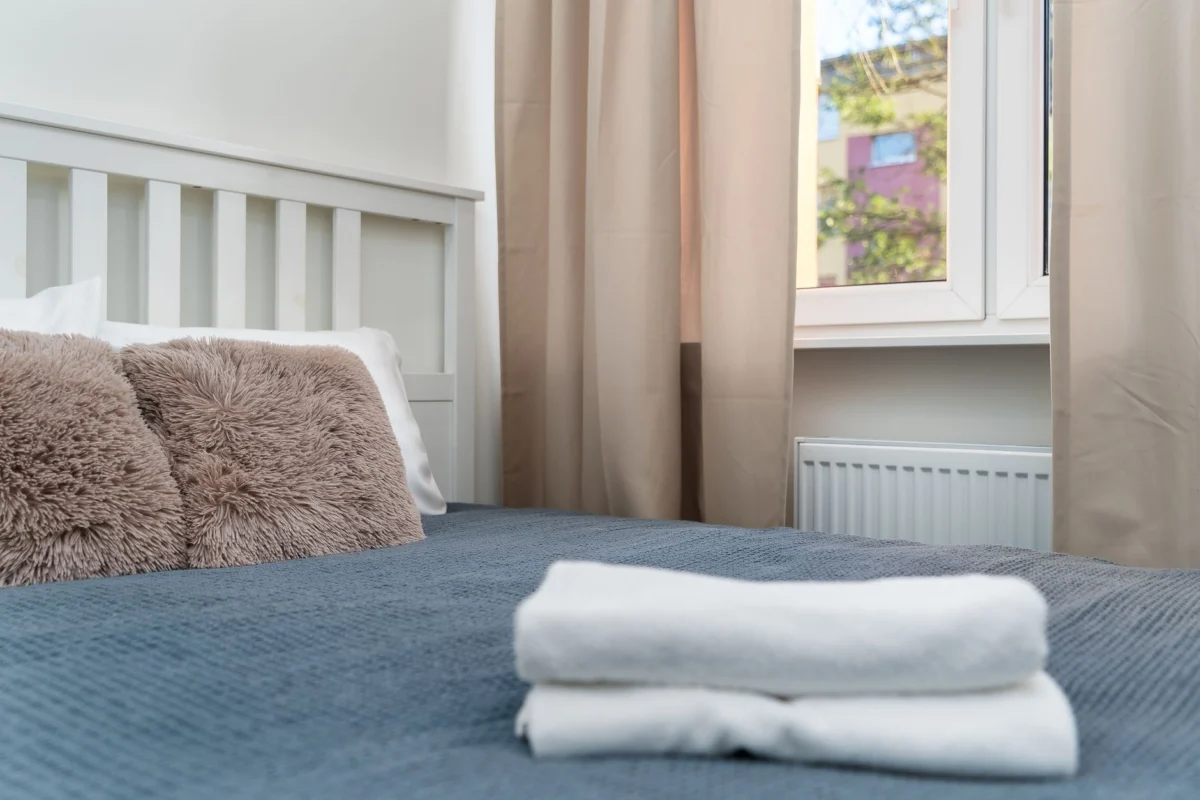
A small hotel on Kirchengasse in Neubau, a few minutes’ walk from Spittelberggasse and the St. Ulrich church. It is a quiet base for days split between the museums and the Biedermeier streets.

  • Short walk to Spittelberggasse
  • Near the Baroque St. Ulrich church
  • MuseumsQuartier within 10 minutes
Mandarin Oriental, Vienna
Central location
⭐ 9.0 Excellent
98 reviews

Mandarin Oriental, Vienna

1st District • Riemergasse • Near St. Stephen’s

A luxury hotel on Riemergasse in the Inner City, about five minutes’ walk from St. Stephen’s Cathedral and the Mozarthaus. Choose it for comfort and location rather than period atmosphere.

  • 5 minutes to St. Stephen’s
  • Mozarthaus nearby
  • Quiet Inner City lane
Boutiquehotel Das Tyrol
Smart choice
⭐ 9.4 Outstanding
1154 reviews

Boutiquehotel Das Tyrol

Mariahilfer Straße • Near the MuseumsQuartier • Boutique

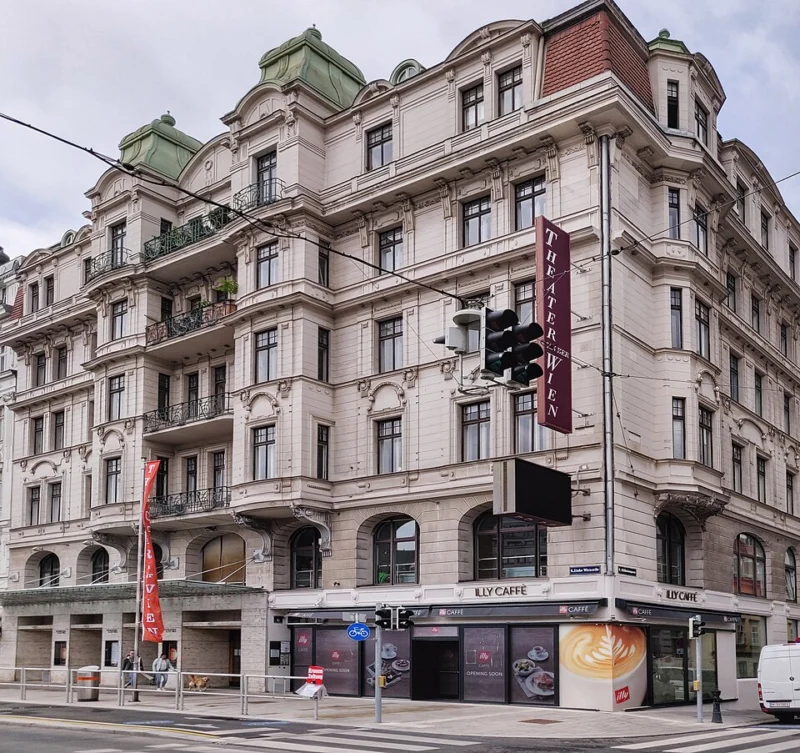
A boutique hotel at the top of Mariahilfer Straße, the end closest to the MuseumsQuartier and the Ring. The Kunsthistorisches Museum, Café Sperl and the Naschmarkt are all a short walk away.

  • Top end of Mariahilfer Straße
  • MuseumsQuartier around the corner
  • U2 Museumsquartier nearby
Hotel MOTTO
Walkable area
⭐ 9.3 Outstanding
3581 reviews

Hotel MOTTO

Mariahilfer Straße • Highly rated • Near Neubaugasse

A highly rated hotel on Mariahilfer Straße, close to the U3 station at Neubaugasse. The Hofmobiliendepot, the Mariahilfer Kirche and Haydn’s house are all within walking distance.

  • Hofmobiliendepot nearby
  • Walk to Haydn’s house
  • U3 on the doorstep
Herrlicher Ausblick über Wien
Smart choice
⭐ 9.8 Exceptional
63 reviews

Herrlicher Ausblick über Wien

Grinzing • Private rental • Edge of the city

A private rental listed in Grinzing, the wine village on Vienna’s northern edge. Check the exact address on the listing: some places here are a steep walk from the tram, and the centre is about half an hour away by public transport.

  • Wine village setting
  • Heurigen nearby
  • Quieter than the centre
Müllner Smart Hotel Wien
Smart choice
⭐ 8.1 Very good
3720 reviews

Müllner Smart Hotel Wien

Grinzing • 3-star hotel • Grinzinger Allee

A 3-star hotel at Grinzinger Allee 30, on the avenue that leads up into the old wine village of Grinzing, with the Heurigen and the village church a short walk uphill. It has a lift, its own restaurant serving local food and thousands of guest reviews, and guests single out the public transport links to the centre. Check-in is self-service and the 8.1 rating is modest, so expect a practical base rather than period charm.

  • On Grinzinger Allee
  • Restaurant with local food
  • Lift and self check-in

How we choose

We favour hotels within walking distance of the museums, churches and composers’ houses, prefer historic buildings, then check guest ratings.

Best areas in Vienna for history lovers

Four bases, four eras of Viennese history — each with a walk you can do in a day.

Spittelberg

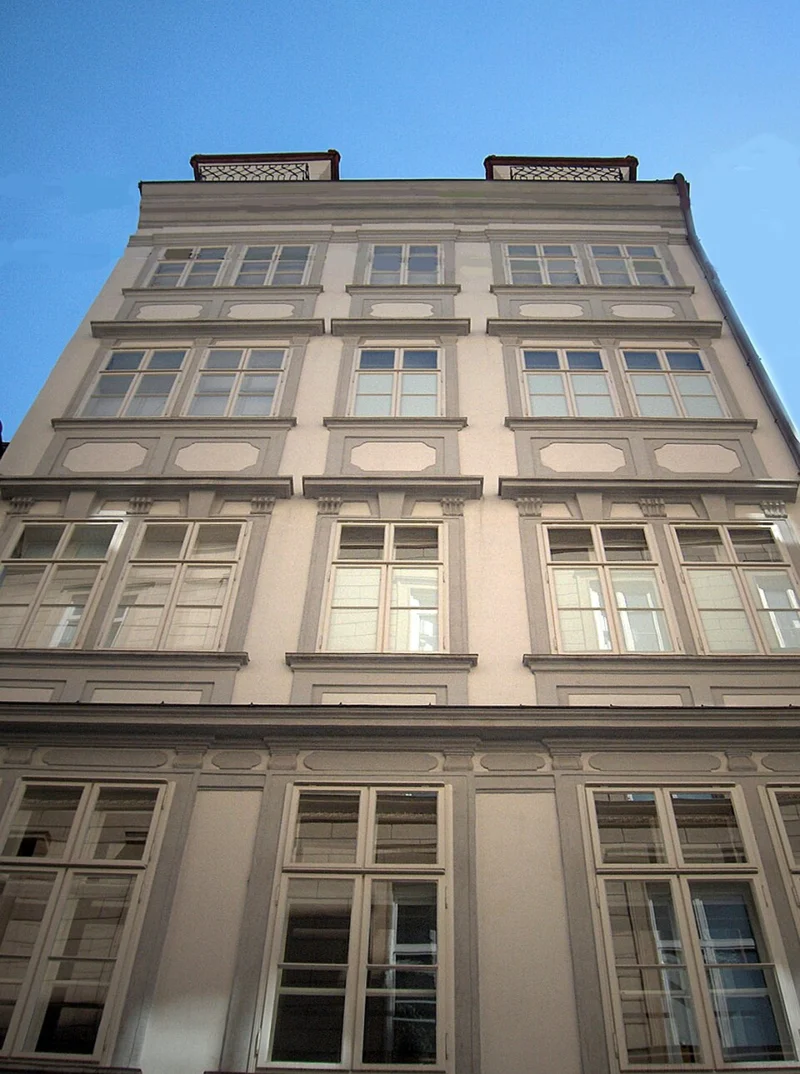
Spittelberg is a few lanes of Biedermeier houses behind the MuseumsQuartier, and it only survives because of a fight. In 1975 locals occupied the empty Amerlinghaus and other old houses to stop their demolition; today the quarter is part of Vienna’s UNESCO World Heritage site and one of the best-preserved corners of the old suburbs.

For a history lover, the location is the point. The Kunsthistorisches Museum, with the Habsburg picture collection and Klimt’s paintings on the staircase, is ten minutes away on foot, and the former imperial stables of the MuseumsQuartier are next door. Spend the morning with Bruegel, the afternoon with Schiele at the Leopold Museum, and the evening in the cobbled lanes around Spittelberggasse.

The lanes get crowded during the Christmas market, and there are few big hotels inside the quarter itself — most stays are on its edges.

Local picks

For Culture & History
  • 1
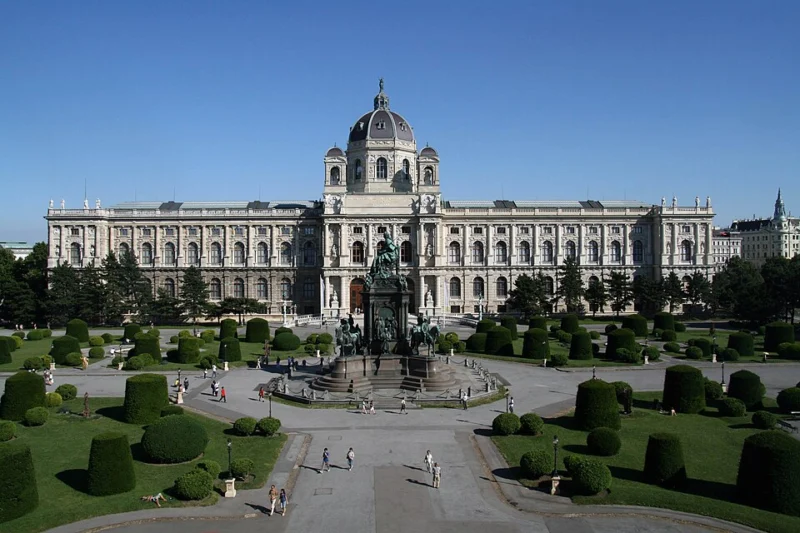
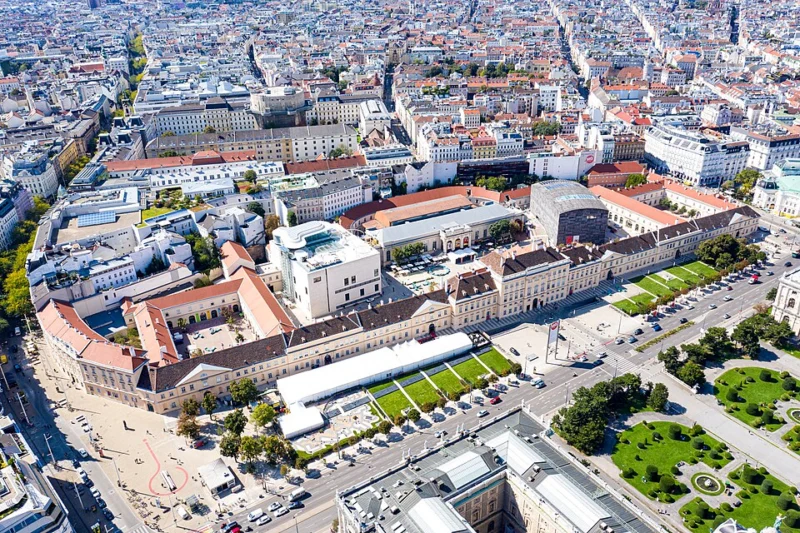
    Start hereMaria-Theresien-PlatzThe empress sits in the middle of the square, between two near-identical museum palaces from the 1880s. The Natural History Museum is on one side, the Kunsthistorisches Museum on the other.
  • 2
    Worth the ticketKunsthistorisches MuseumThe Habsburgs’ art collection, with Bruegel’s Tower of Babel among the highlights. Look up on the grand staircase: some of the paintings there are by the young Gustav Klimt.
  • 3
    AfternoonMuseumsQuartier & Leopold MuseumThe former imperial court stables once held up to 600 horses; since 2001 they have housed museums. The Leopold Museum inside has the best collection of Egon Schiele in Vienna.
  • 4
    Old suburbSpittelberggasseWalk up the cobbled lane between the Biedermeier houses, many of them with cellars older than the Ottoman siege of 1683. Look for the old Pawlatschen theatre at No. 10, now the Theater am Spittelberg.
  • 5
    Hidden historySt. UlrichA Baroque church from 1721–1724 that gave its name to the old suburb of St. Ulrich. The altarpiece of St. Ulrich at the Battle of Lechfeld is by Paul Troger.
  • 6
    DinnerAmerlingbeislA relaxed restaurant in the house where the painter Friedrich von Amerling was born in 1803 — the same house the squatters saved in 1975. It is a relaxed, good-value place for Viennese dinner after a museum day.
  • 7
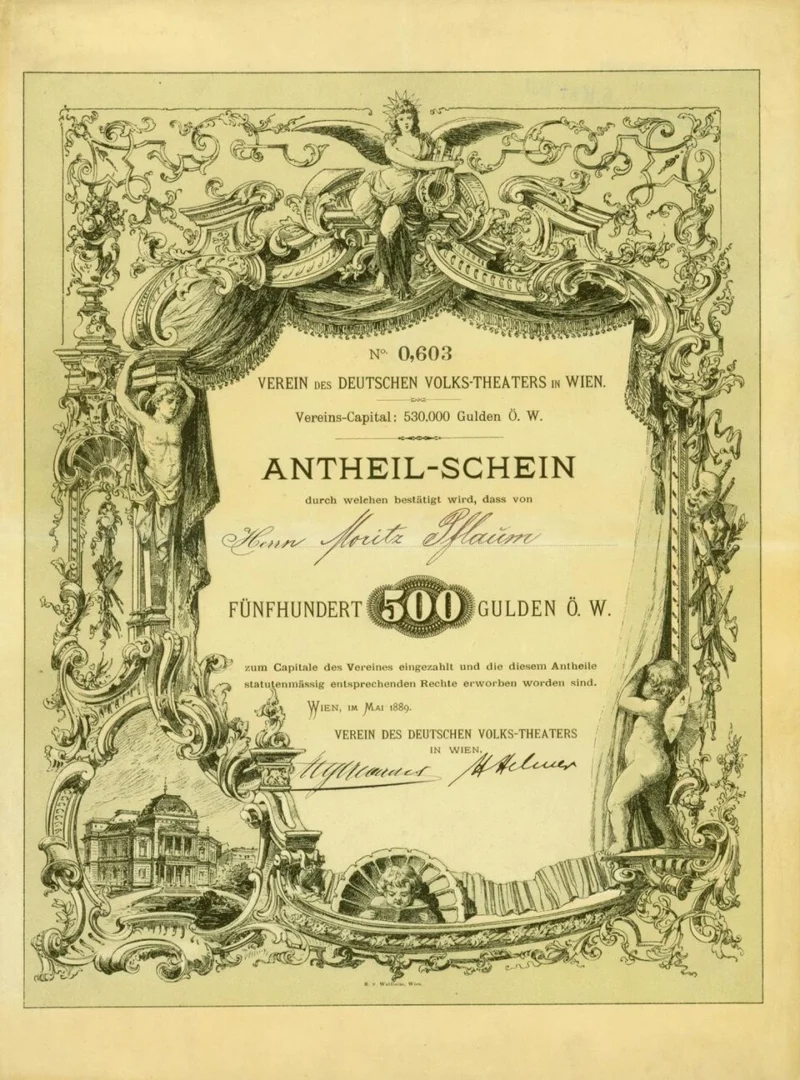
    EveningVolkstheaterBuilt in 1889 by Fellner and Helmer as a theatre for ordinary Viennese, a counterweight to the court theatre. Catch a play, or have a drink in its Rote Bar.
  • Getting aroundVolkstheater · MuseumsquartierThe U2 and U3 meet at Volkstheater, and the U2 stops at Museumsquartier. You can walk to the Hofburg and the Ring in about ten minutes.
  • Where to staySpittelberg itself has few hotels; most are on Burggasse, Kirchengasse and the streets towards the MuseumsQuartier. Ask for a room facing the courtyard — Burggasse has traffic, and the lanes are busy on Advent evenings.

Did you know?

Named after the city hospital The Bürgerspital, the city’s hospital foundation, bought the land in 1525 — hence the old name Spitalberg.
A quarter with a bad name From the 18th to the mid-20th century, Spittelberg was known for cramped housing and prostitution.
Saved by a squat in 1975 Locals occupied the empty Amerlinghaus and other Biedermeier houses to stop their demolition.
Spittelberg

Mariahilfer Straße

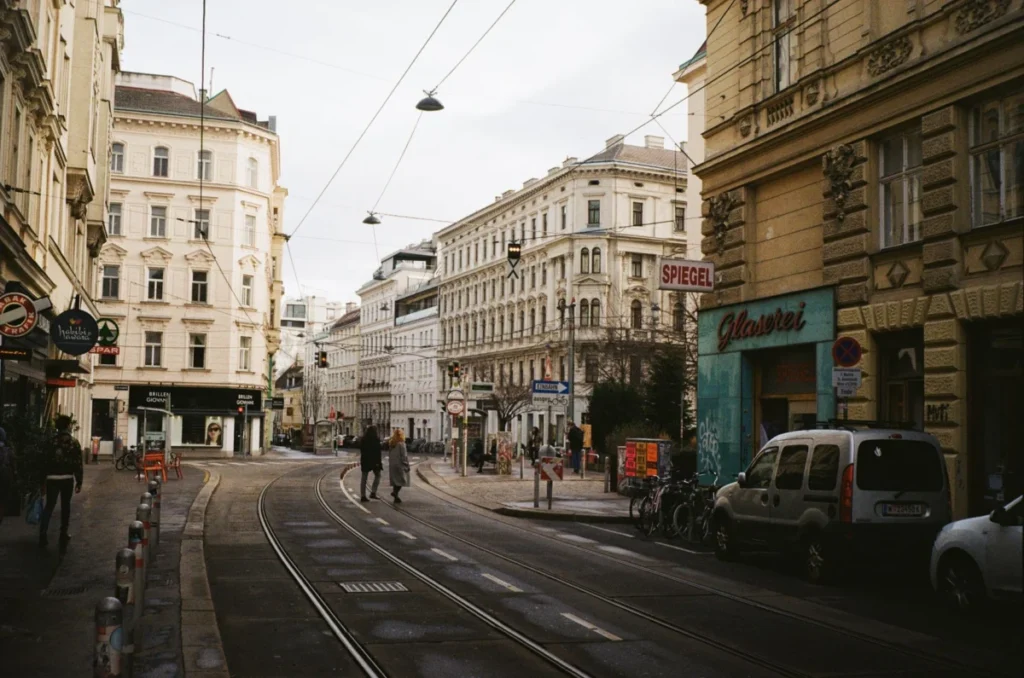
Mariahilfer Straße looks like a modern shopping street, but it follows a road far older than Vienna: in 1914 builders at No. 50 found an 11-metre-wide Roman road under the pavement. It was later the main route west to Linz, and the inns along it grew into the suburbs of Mariahilf and Neubau.

For a history lover, this is composers’ Vienna without the crowds. Joseph Haydn spent his last years in a house on Haydngasse, Beethoven lived inside the Theater an der Wien while writing Fidelio, and the Hofmobiliendepot keeps the furniture of the Habsburgs, from thrones to spittoons. A grey Second World War flak tower still stands in Esterházypark.

The street itself is busy and commercial on Saturdays. Stay in a side street and save the walk along the main drag for a quiet morning.

Local picks

For Culture & History
  • 1
    MorningHaydnhausHaydn bought this house in 1793 and lived here until his death in 1809, writing The Creation and The Seasons in its rooms. It is a small Wien Museum branch — closed on Mondays and from 1 to 2 pm.
  • 2
    Worth the ticketHofmobiliendepotBuilt in 1901 as the store for imperial furniture not in use, it now shows the Habsburgs’ thrones, beds and everyday pieces. Later rooms cover Viennese design by Loos, Hoffmann and Otto Wagner.
  • 3
    Baroque churchMariahilfer KircheThe pilgrimage church that gave the street and the district their name, rebuilt after the siege of 1683. The Haydn monument in front of it dates from 1887.
  • 4
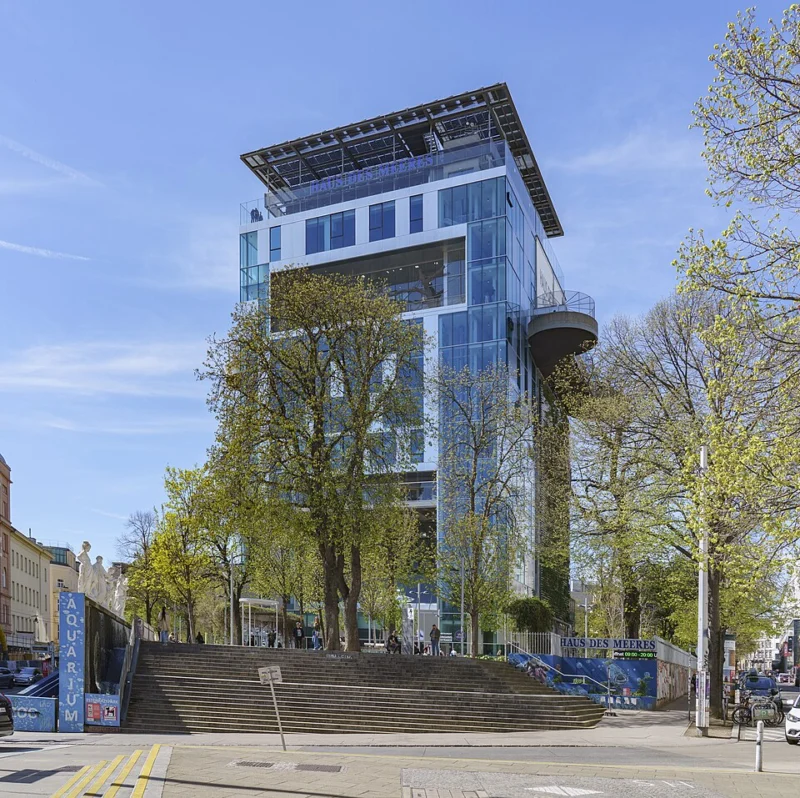
    Hidden historyFlak tower in EsterházyparkOne of the concrete anti-aircraft towers the Nazis built in Vienna from the 1940s, still standing in the middle of a park. It now houses the Haus des Meeres aquarium, and climbers use its outer wall.
  • 5
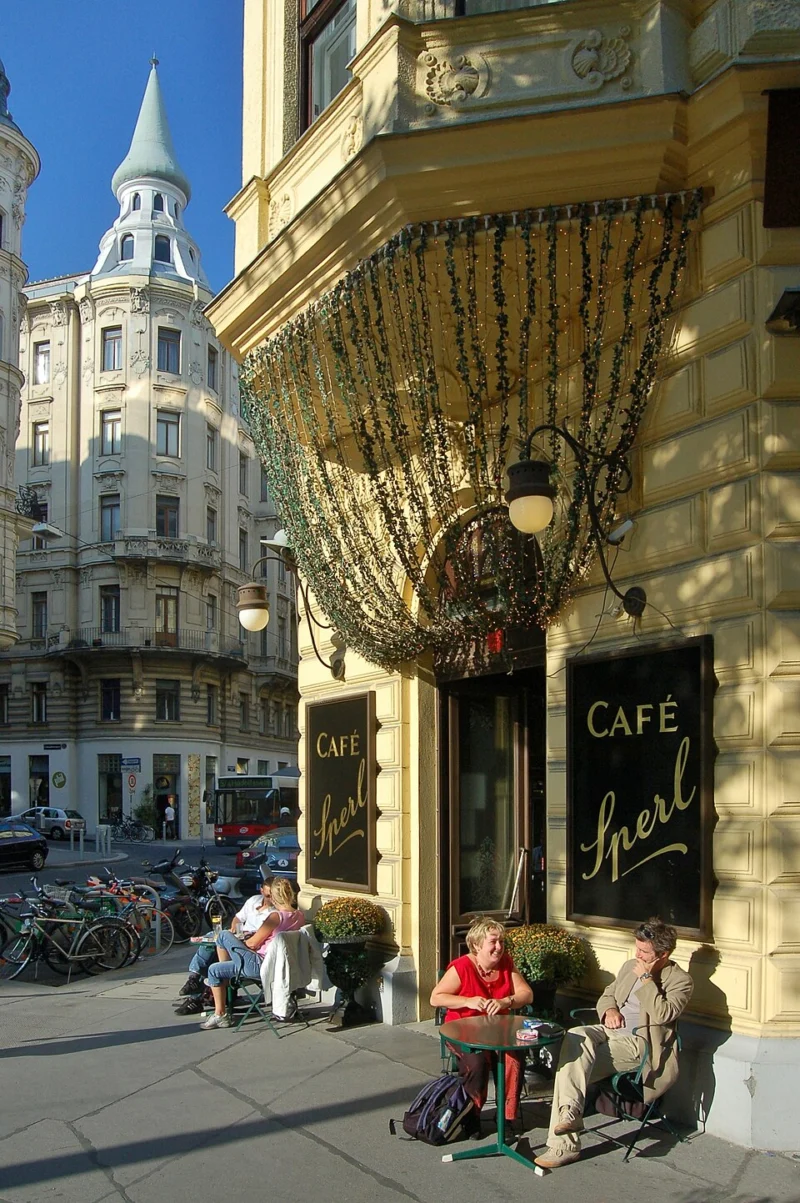
    Historic caféCafé SperlOpen since 1880, with Thonet chairs, marble tables and billiard tables still in place. Around 1895 some of the artists who went on to found the Vienna Secession met here.
  • 6
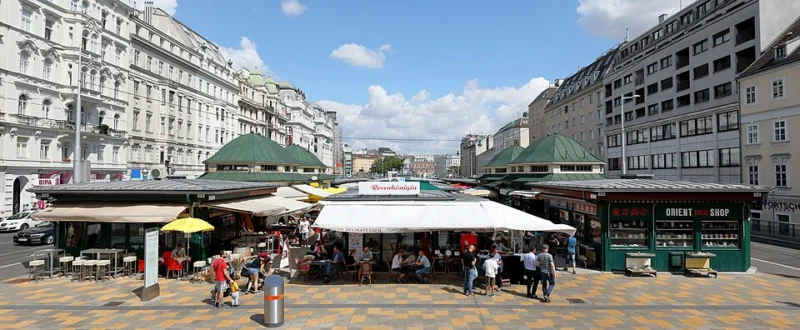
    DinnerNaschmarktVienna’s main market has stood here since the first pavilions were built over the covered Wien river in 1902. Eat at one of the stalls or small restaurants between the market halls.
  • 7
    EveningTheater an der WienBuilt in 1801 by Schikaneder, Mozart’s Magic Flute librettist. Beethoven’s Fidelio premiered here in 1805 as Leonore, and the house is an opera theatre again today.
  • Getting aroundU3 Neubaugasse · U4 KettenbrückengasseThe U3 runs right under Mariahilfer Straße, and the U4 stops by the Naschmarkt. The MuseumsQuartier and the Ring are a 10–15-minute walk from the middle of the street.
  • Where to stayHotels line Mariahilfer Straße itself and the side streets of Neubau and Mariahilf. The end nearest the MuseumsQuartier is best for sightseeing; ask for a room facing a courtyard rather than the street.

Did you know?

1.8 km of shopping street The inner Mariahilfer Straße runs 1.8 km from Museumsplatz to the Gürtel.
A Roman road underneath In 1914 builders at No. 50 found an 11-metre-wide Roman road below the street.
Named after a painting Street, church and district take their name from the Mariahilf image, a copy of a Cranach painting.
Mariahilfer Straße

Grinzing

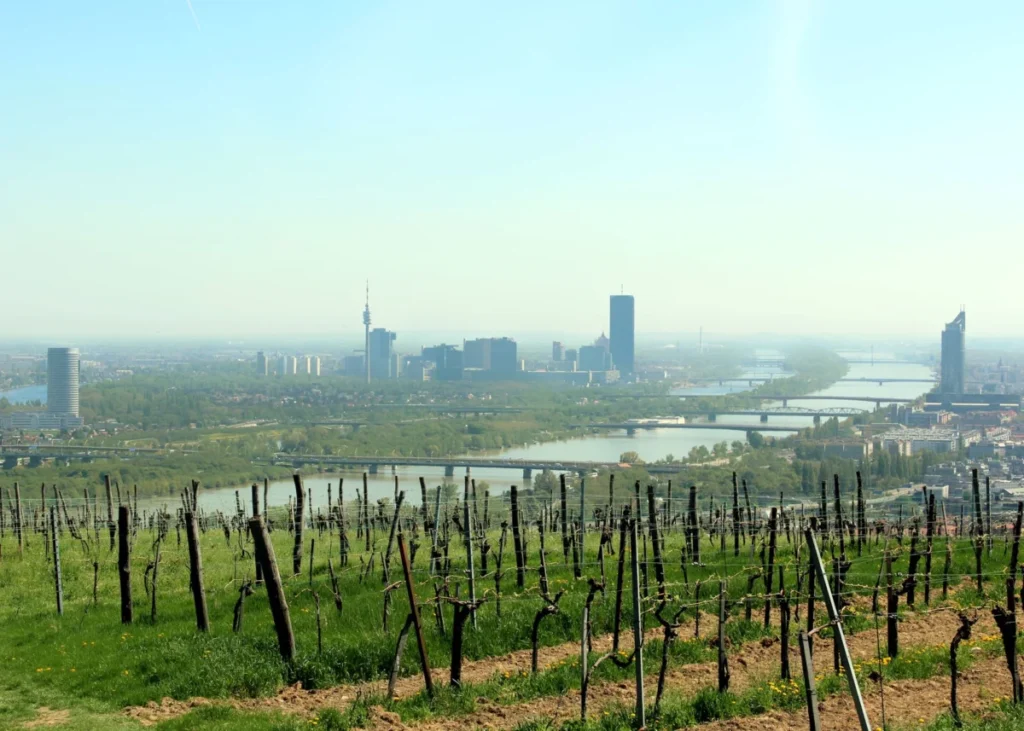
Grinzing was an independent wine village until 1892, and it still looks like one: low houses, a Gothic church and vineyards running up towards the Vienna Woods. Its name goes back to a man called Grinzo, and it first appears in records in 1114.

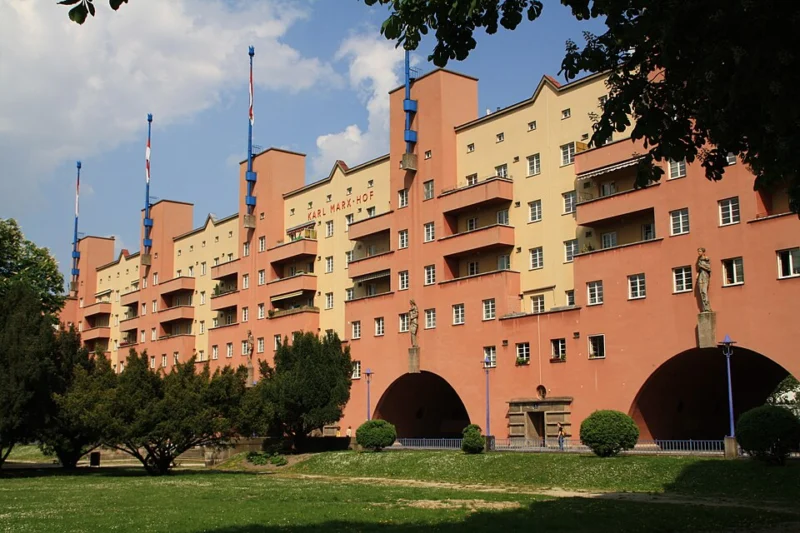
Come here for the Vienna of the composers’ summers and of the 20th century. Gustav Mahler is buried in the Grinzing cemetery; a short walk away in Heiligenstadt is the house where, by tradition, Beethoven wrote his Heiligenstadt Testament in 1802. Down by the U4 stands the Karl-Marx-Hof, the 1,100-metre showpiece of Red Vienna, shelled during the civil war of 1934. In the evening, sit in a Heuriger wine garden.

The catch is distance: the museums of the centre are about half an hour away by tram or U-Bahn, so this is a base for a slower trip.

Local picks

For Culture & History
  • 1
    Start hereGrinzing cemeteryGustav Mahler was buried here in 1911 next to his daughter, under a stone with only his name. He said that anyone who came looking for him would know who he was.
  • 2
    Village churchGrinzing Parish ChurchThe church of the Holy Cross was built in 1417–1426 and burned in both Ottoman sieges. By local tradition, Beethoven and Schubert played the earlier organ here.
  • 3
    Wine villageCobenzlgasseThe old main street of the village, lined with Heurigen in low vintners’ houses. Look for the remains of the medieval Trummelhof manor at No. 30.
  • 4
    Composer’s summerBeethoven MuseumBeethoven spent the summer of 1802 in Heiligenstadt, a 20-minute walk from Grinzing, and by tradition lived in this house when he wrote the Heiligenstadt Testament. It is a Wien Museum branch that closes from 1 to 2 pm.
  • 5
    20th-century historyKarl-Marx-HofBuilt in 1927–1930 for some 5,000 people, it is about 1,100 metres long. In February 1934 the army shelled it during the civil war, and the Nazis renamed it until 1945.
  • 6
    DinnerMayer am PfarrplatzA winery since 1683 on the little church square of old Heiligenstadt, with a Heuriger garden and a restaurant. Come in the early evening and order the house wine.
  • Getting aroundTram 38 · U4 HeiligenstadtTram 38 runs from Schottentor to Grinzing, and the U4 ends at Heiligenstadt next to the Karl-Marx-Hof. Expect about half an hour to the centre.
  • Where to stayGrinzing has few hotels and more private rentals and small guesthouses. Check the exact address before you book — some are a steep walk uphill from the tram.

Did you know?

The people of Grinzo The name means “those who belong to Grinzo” and first appears in 1114 as Grinzigan.
A church paid for by vintners Twelve local families, probably winegrowers, financed the parish church in 1417–1426.
Part of Vienna since 1892 Grinzing joined the city in 1892 as part of the new 19th district, Döbling.
Grinzing

Stephansdom (1st District)

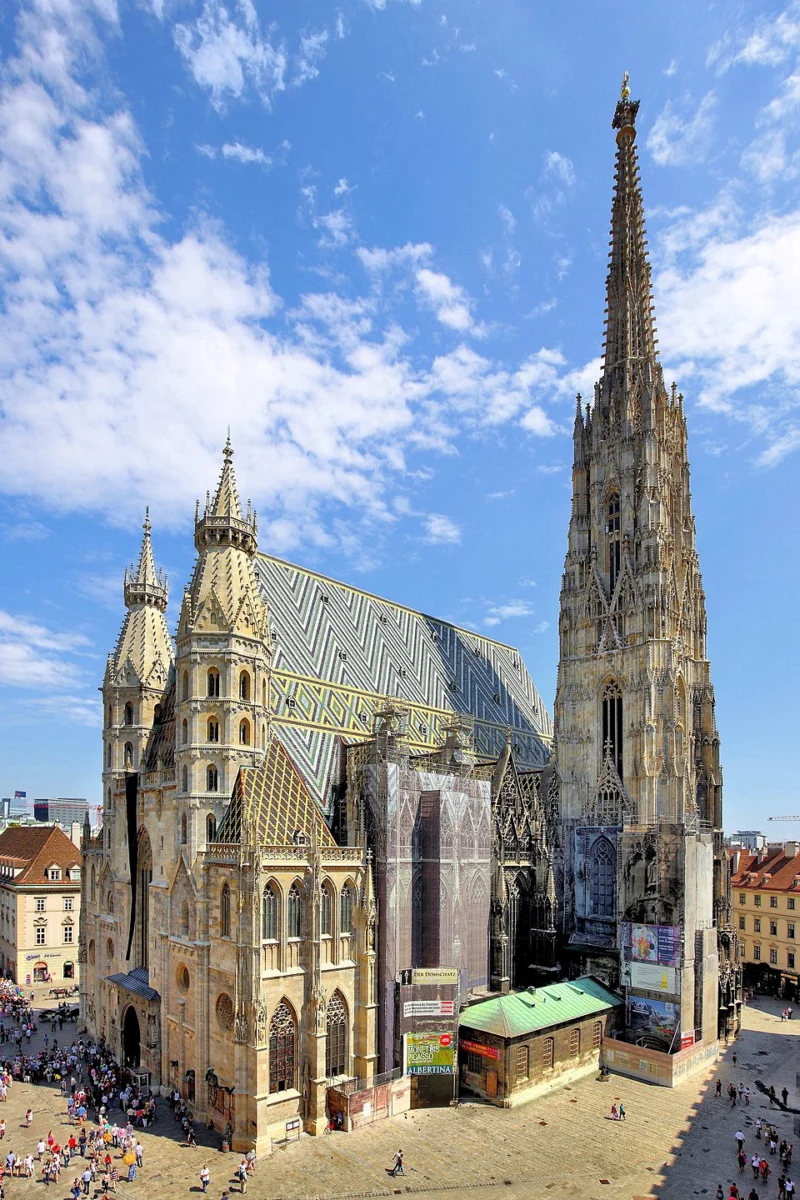
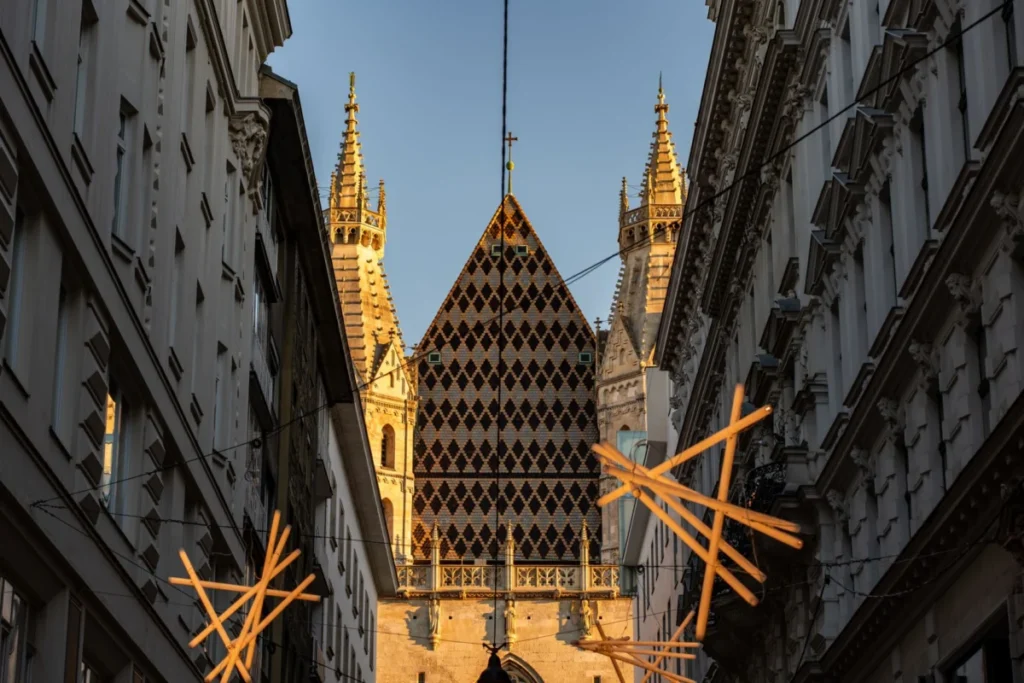
The 1st District is the old walled city, and St. Stephen’s Cathedral stands at its centre as it has since the 12th century. Inside the Ring you can walk from Gothic Vienna to Baroque Vienna to imperial Vienna in a single morning: Mozart’s flat, the Habsburg tombs and the Hofburg are all within a 15-minute walk of each other.

Stay here and use the early hours. The cathedral opens at 6 am, long before the tour groups, and the catacombs below hold the remains of more than 11,000 people. Then follow the Habsburgs to the Imperial Crypt and the Hofburg, and end the day in a coffee house or wine cellar that Mozart’s Vienna would recognise.

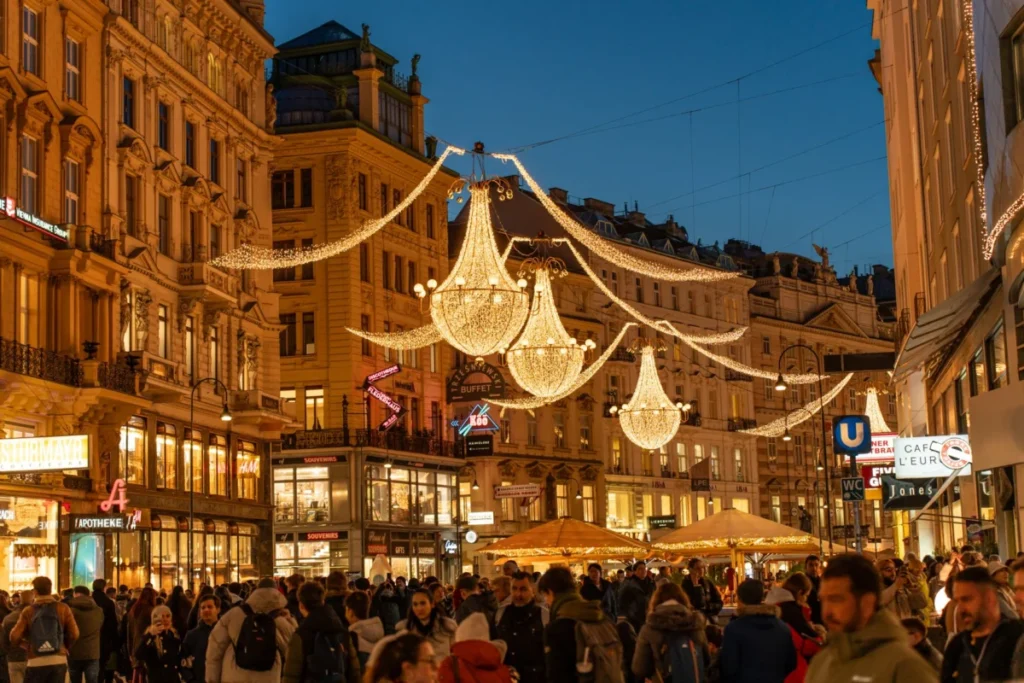
It is the most expensive area in Vienna, and the Graben and Kärntner Straße are crowded all day. Choose a hotel in a side lane for quieter nights.

Local picks

For Culture & History
  • 1
    Early morningSt. Stephen's CathedralCome soon after the 6 am opening to see the nave before the crowds. Join a tour of the catacombs, where more than 11,000 people and the entrails of Habsburg rulers lie.
  • 2
    Composer’s homeMozarthaus ViennaMozart lived here from 1784 to 1787 and wrote The Marriage of Figaro in these rooms. It is the only one of his Vienna homes that survives.
  • 3
    Historic caféCafé FrauenhuberConsidered the oldest coffee house in Vienna still in continuous operation, in a house from 1720. Mozart and Beethoven performed in the restaurant that was here before the café.
  • 4
    Habsburg tombsImperial Crypt (Kaisergruft)Since 1633 the burial place of the Habsburgs, with 12 emperors and 18 empresses beneath the Capuchin Church. Find Maria Theresa’s double sarcophagus and the plain coffin of her son Joseph II.
  • 5
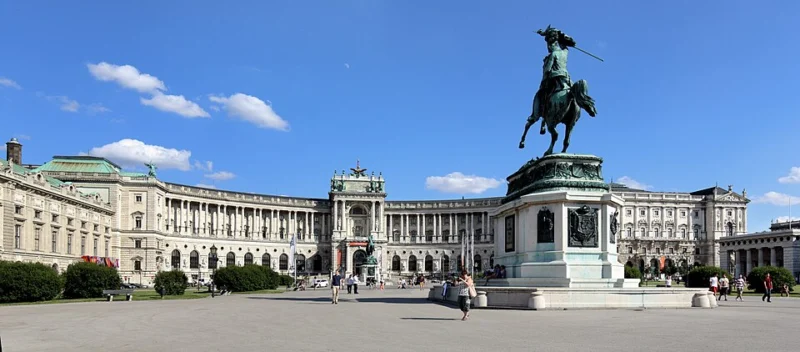
    Worth the ticketHofburgThe Habsburgs’ winter palace, the seat of power since 1279. Choose between the Imperial Apartments with the Sisi Museum and the Treasury with the crown of the Holy Roman Empire.
  • 6
    Hidden historyPlague Column on the GrabenEmperor Leopold I vowed this column during the plague of 1679, and it was finished in 1694. Look for the kneeling emperor praying below the clouds of angels.
  • 7
    DinnerEsterházykellerA wine cellar under the Esterházy palace, open since around 1808 and hardly changed since. Expect good-value wine and simple traditional Viennese food.
  • Getting aroundStephansplatz · HerrengasseThe U1 and U3 meet at Stephansplatz, and the U3 stops at Herrengasse by the Hofburg. Inside the Ring you will walk almost everywhere.
  • Where to stayThe 1st District has everything from grand 19th-century hotels on the Ring to small hotels in old houses. It is the priciest area in Vienna, so book early for Advent and for summer weekends.

Did you know?

Founded in 1137 The church was founded after the Treaty of Mautern in 1137 and dedicated in 1147.
136 metres of “Steffl” The south tower is 136 m tall and took 65 years to build, from 1368 to 1433.
Mozart’s wedding Wolfgang Amadeus Mozart married Constanze Weber in the cathedral in 1782.
Stephansdom (1st District)

Planning your stay in Vienna

For Culture & History
  • Three days of historyDay 1: St. Stephen’s at opening time, the Mozarthaus, the Imperial Crypt and the Hofburg. Day 2: the Kunsthistorisches Museum and the Leopold Museum, then dinner in Spittelberg. Day 3: Haydn’s house in the morning, then tram 38 to Grinzing, the Beethoven Museum and a Heuriger.
  • Tickets and timingBuy tickets online ahead where you can, especially for the Hofburg and the big exhibitions. The small Wien Museum composer houses close from 1 to 2 pm, and Haydn’s house is closed on Mondays.
  • Beat the crowdsSt. Stephen’s opens at 6 am on weekdays — go before 9 am. Save the Imperial Crypt and the museums for the middle of the day, when the Graben and Kärntner Straße are at their busiest.
  • Beyond the top tenThe Hofmobiliendepot, the Karl-Marx-Hof and Red Vienna, the plague column on the Graben, and the Theater an der Wien where Fidelio was first heard.
Self-guided walking tours Culture & History (Vienna, Austria)
Routes 4
Pick a route

Best time to visit Vienna (Austria)

Now (November) avg high: 9°C, mostly dry, full season — expect crowds. Best months to walk: Feb & Mar.

Live Temp …
~Day / Night Temp 9°C / 3°C
Sunrise / Sunset 7:50 / 17:27
Local time 19:52
Best Months Feb & Mar
J Jan F Feb best month M Mar best month A Apr M May J Jun J Jul A Aug S Sep O Oct N Nov this month D Dec
Check Vienna hotels
Temperature Average daytime high, month by month. Zero line marks freezing point.
Crowds How busy it gets — traveller interest by month.
Rainfall Rainy days to expect each month.
Sunshine Hours of sun per day, by month.
Vienna guides →

Best hotels in Vienna for history lovers

From a hotel that has faced the State Opera since 1876 to small hotels a short walk from the Kunsthistorisches Museum.
Hotel Sacher Wien
Best overall
9.6 Exceptional
1030 reviews

Hotel Sacher Wien

Opened in 1876 by Eduard Sacher on the site of the demolished Kärntnertor Theatre, directly opposite the State Opera. After 1945 the British used it as their headquarters, and Graham Greene drank at its bar while researching The Third Man. The hotel also has a gallery of 19th-century art.

Ideal for: History lovers who want to sleep inside a Vienna legend
Hotel Sans Souci, Vienna
Top pick
9.5 Outstanding
1382 reviews

Hotel Sans Souci, Vienna

On Burggasse at the edge of Spittelberg, a couple of minutes from the MuseumsQuartier, the Volkstheater and the Kunsthistorisches Museum. You can be in front of Bruegel’s paintings at opening time and back in the Biedermeier lanes for dinner.

Ideal for: Museum-goers who want everything on foot
Small Luxury Hotel Altstadt Vienna
Walkable area
9.5 Outstanding
953 reviews

Small Luxury Hotel Altstadt Vienna

A small hotel on Kirchengasse in Neubau, a few minutes’ walk from Spittelberggasse and the St. Ulrich church. It is a quiet base for days split between the museums and the Biedermeier streets.

Ideal for: History lovers who prefer a small, personal hotel
Mandarin Oriental, Vienna
Central location
9.0 Excellent
98 reviews

Mandarin Oriental, Vienna

A luxury hotel on Riemergasse in the Inner City, about five minutes’ walk from St. Stephen’s Cathedral and the Mozarthaus. Choose it for comfort and location rather than period atmosphere.

Ideal for: Travellers who want luxury close to the cathedral
Boutiquehotel Das Tyrol
Smart choice
9.4 Outstanding
1154 reviews

Boutiquehotel Das Tyrol

A boutique hotel at the top of Mariahilfer Straße, the end closest to the MuseumsQuartier and the Ring. The Kunsthistorisches Museum, Café Sperl and the Naschmarkt are all a short walk away.

Ideal for: History lovers who want both museums and Mariahilf on foot
Hotel MOTTO
Walkable area
9.3 Outstanding
3581 reviews

Hotel MOTTO

A highly rated hotel on Mariahilfer Straße, close to the U3 station at Neubaugasse. The Hofmobiliendepot, the Mariahilfer Kirche and Haydn’s house are all within walking distance.

Ideal for: Travellers who want style and a lively street
Herrlicher Ausblick über Wien
Smart choice
9.8 Exceptional
63 reviews

Herrlicher Ausblick über Wien

A private rental listed in Grinzing, the wine village on Vienna’s northern edge. Check the exact address on the listing: some places here are a steep walk from the tram, and the centre is about half an hour away by public transport.

Ideal for: Travellers who want the wine villages more than the city centre
Müllner Smart Hotel Wien
Smart choice
8.1 Very good
3720 reviews

Müllner Smart Hotel Wien

A 3-star hotel at Grinzinger Allee 30, on the avenue that leads up into the old wine village of Grinzing, with the Heurigen and the village church a short walk uphill. It has a lift, its own restaurant serving local food and thousands of guest reviews, and guests single out the public transport links to the centre. Check-in is self-service and the 8.1 rating is modest, so expect a practical base rather than period charm.

Ideal for: Travellers who want Grinzing’s Heurigen and a proper hotel

Coming in December or for a big exhibition?

Advent markets and major exhibitions at the Albertina and the Kunsthistorisches Museum fill central hotels early — book well ahead.

Compare Vienna hotels for history lovers

Location, history and what makes each one special — side by side.
Small Luxury Hotel Altstadt Vienna
Walkable area
9.5 Outstanding
953 reviews

Small Luxury Hotel Altstadt Vienna

Spittelberg • Kirchengasse • Small hotel
Small hotel by the Spittelberg lanes
Boutique Hotel
Small and personal
Quiet Area
Residential street
Local Vibe
Biedermeier neighbourhood
Hotel MOTTO
Walkable area
9.3 Outstanding
3581 reviews

Hotel MOTTO

Mariahilfer Straße • Highly rated • Near Neubaugasse
Lively base near the composer sights
Location
On Mariahilfer Straße
Public Transport
U3 Neubaugasse
Cafes
Cafés all around

Traditional Local Food Vienna (Austria)

Soup Meat

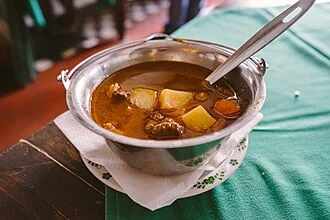
Gulaschsuppe

GOO-lahsh-zoo-puh

A hearty beef soup with paprika and onions.

Open Gulaschsuppe recipe
Dessert Vegetarian

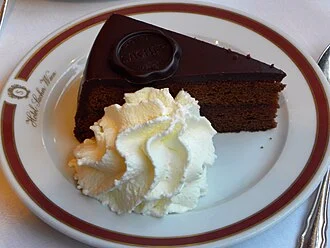
Sacher Torte

Sachertorte
SAH-kher TORT

Rich chocolate cake with a layer of apricot jam and dark chocolate icing.

Open Sacher Torte recipe
Snack Meat

Viennese Sausage

Wiener Würstchen
VEE-ner VURCH-chen

A lightly smoked and boiled sausage, often served with mustard.

Open Viennese Sausage recipe
Main course Meat

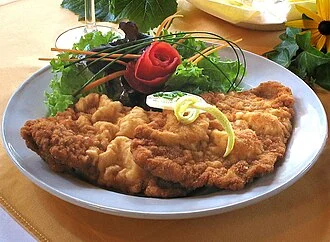
Wiener Schnitzel

VEE-nahr SHNEE-tsl

A breaded and deep-fried veal cutlet served with lemon and potatoes.

Open Wiener Schnitzel recipe

Activities & Experiences

Things to Do in Vienna

Top-rated tours, day trips and local experiences — book in advance to secure your spot.

City & Country Data Vienna (Austria)

Key travel data for Vienna — local prices, safety, healthcare, local currency and essentials, curated by Triplandio.

Safety 🔒 100
Health 🏥 98
Lifestyle ⭐ 73
Infra 🏗️ 91
Rank 🎯 #6
Score 📊 69
Tourists ✈️ 15.1M/y
GDP/cap 💵 $62.9k
Life Exp ❤️ 82.0 yrs
Population 👥 9.2M
Currency 💱 EUR €
Language 🗣️ German
Payments 💳 Mixed
Emergency 🆘 112
Coffee ☕ $5.00
Beer 🍺 $5.50
Lunch 🍽️ $18.00
Groceries 🛒 $50.00/w
Taxi/km 🚕 $2.00
Transit 🚇 $3.00
Fuel ⛽ $1.65/l
Internet 📡 $31.71/m
Salary 💵 $3,000/m

Travel tipsVienna (Austria)

Quick tips

  1. Off-piste skiing can void your insurance — Critical

    Avalanches are a real risk in the Austrian Alps. Skiing off-piste without a qualified guide is very dangerous and may invalidate your travel insurance, so check the avalanche warning service first.

  2. Face coverings in public are banned — Caution

    Austria's face-covering ban makes it generally illegal to wear anything in public that hides your face, such as a burqa, niqab or full mask. The fine is up to 150 euros; some exemptions apply.

  3. Validate your ticket before you travel — Caution

    If your public transport ticket needs stamping, validate it in the machine before the journey starts. Inspectors on Austrian trains, trams and buses issue on-the-spot fines of 100–500 euros.

  4. Buy a motorway vignette before driving — Caution

    All Austrian motorways and expressways are tolled. Buy a vignette (toll sticker or digital vignette) before you join one — driving without it brings a fine.

  5. A driving licence is not valid ID — Good to know

    By law you must always have quick access to your passport in Austria. Police do not accept a UK driving licence as official identification (other foreign licences may be refused too), so carry your passport or a copy of it.

  • Do
  • Greet shop staff with “Grüß Gott”
  • Validate tickets that need stamping
  • Buy a vignette for motorways
  • Carry your passport or a copy
  • Wait for the green pedestrian light
  • Don’t
  • Ski off-piste without a guide
  • Leave the tip on the table
  • Walk in the cycle lanes
  • Expect shops to open on Sunday
  • Get between a cow and its calf

Vienna tips for history lovers

Mind the lunch break at the composers’ houses

The smaller Wien Museum houses, such as Haydn’s house and the Beethoven Museum in Heiligenstadt, close from 1 to 2 pm, and Haydn’s house is closed on Mondays. Plan them for the morning or late afternoon.

Tip: Composers before 1 pm

Book the Imperial Crypt and the Hofburg on one morning

The Kaisergruft on Neuer Markt and the Hofburg are a five-minute walk apart. See the Habsburg tombs first, then the imperial apartments and the Treasury in the palace.

Tip: Two Habsburg sights, one walk

See an opera where Fidelio began

Beethoven’s only opera, then called Leonore, premiered at the Theater an der Wien in 1805, and he lived in rooms inside the theatre while writing it. Since 2006 it has been an opera house again.

Tip: Opera in Beethoven’s theatre

Take the tram to the wine villages

Tram 38 runs from Schottentor up to Grinzing, and the U4 ends at Heiligenstadt, right by the Karl-Marx-Hof. Walk between the two past Beethoven’s summer house.

Tip: Grinzing by tram

Vienna for history lovers: FAQ

When is the best time to visit Vienna?

The best time to visit Vienna is February and March — fewer crowds, comfortable temperatures, less rain and more sunshine. Compare every month in the seasonal chart above.

Which area of Vienna is best for history lovers?

The 1st District around St. Stephen’s is the best all-round base: the cathedral, the Hofburg, the Imperial Crypt and Mozart’s flat are all within a 15-minute walk. Spittelberg is the best choice if the Kunsthistorisches Museum and the MuseumsQuartier are your priority.

Which Vienna hotels are in historic buildings?

Hotel Sacher, opened in 1876 opposite the State Opera, is the classic choice. In Spittelberg and Neubau, look for small hotels and apartments in the old Biedermeier houses.

Where can I see where Mozart, Haydn and Beethoven lived?

Mozart lived at the Mozarthaus on Domgasse from 1784 to 1787, Haydn spent his last years at Haydngasse 19 in Mariahilf, and the Beethoven Museum in Heiligenstadt is in the house where, by tradition, he wrote the Heiligenstadt Testament in 1802.

How many days do I need in Vienna for history?

Three days is a good minimum: one for the cathedral, the Hofburg and the Imperial Crypt, one for the Kunsthistorisches Museum and the MuseumsQuartier, and one for the composers’ houses in Mariahilf and Heiligenstadt.

Where can I eat or drink in a historic place in Vienna?

Café Frauenhuber is considered the oldest Viennese coffee house still in continuous operation, Café Sperl has served coffee since 1880, and the Esterházykeller wine cellar has been open since around 1808. In Heiligenstadt, Mayer am Pfarrplatz has made wine since 1683.

Vienna for history lovers

★ For history lovers
The Habsburgs ruled from Vienna for more than six centuries, and its history is still lived in: Mozart’s flat, Haydn’s last house and the theatre where Beethoven’s Fidelio premiered are all still there to visit. This guide picks four bases — the medieval core around St. Stephen’s, Biedermeier Spittelberg by the museums, Mariahilf with its composers and theatres, and the wine village of Grinzing — with a walk, the sights worth your time and a hotel in each.
  • Handpicked hotels
  • Best Vienna areas
  • All budgets covered
  • Updated 2026
Europe — Austria — Vienna — Where to Stay in Vienna for History Lovers
keyboard_arrow_up