Explore Guides
ASIA / VIETNAM
Triplandio Hoi An guide covers 11 travel guides across 32 areas, complete with hotel picks. Explore 43 self-guided walking tours in Hoi An with 63 POI, spanning 118.1 km in total. Get inspired by 17 local dishes, complete with recipes and our unique Food Flavour DNA graph.
Hoi An
City & Country Data Hoi An (Vietnam)

Key travel data for Hoi An — local prices, safety, healthcare, local currency and essentials, curated by Triplandio.
🌍 Vietnam
Safety
70
Health
45
Lifestyle
42
Infra
52
Rank
#55
Score
44
Tourists
3.8M/y
GDP/cap
$5.1k
Life Exp
74.7 yrs
Population
101.6M
Currency
VND ₫
Language
Vietnamese
Payments
Mixed
Emergency
113
💰 Prices in Hoi An
Coffee
$1.80
Beer
$1.20
Lunch
$3.90
Groceries
$10.00/w
Taxi/km
$0.50
Transit
$0.50
Fuel
$1.00/l
Internet
$20.00/m
Salary
$500/m
Travel tipsHoi An (Vietnam)

Quick tips
- Vapes are banned — Critical
Vapes and related products are illegal in Vietnam. You cannot buy them there or bring them into the country, so leave e-cigarettes and refills at home.
- Drug offences can carry the death penalty — Critical
Possessing, using or smuggling any drug, including cannabis and in any amount, means long prison sentences and heavy fines in Vietnam. The most serious cases can carry the death penalty, and airport scanners also check transit bags.
- A positive drug test is enough — Critical
Police raid bars and clubs and test people at parties in Vietnam. A positive test can lead to criminal charges even if you took the drug before you arrived in the country.
- Hold bags away from the traffic — Caution
Thieves on motorbikes snatch bags and phones from pedestrians across Vietnam's cities. Carry your bag on the side away from the road and don't hold your phone out at the kerb.
- Buy the Old Town ticket — Good to know
Foreign visitors need a ticket to enter Hoi An Ancient Town, checked at booths on the main streets. It includes entry to a set number of old houses, temples and museums, so keep it with you.
- Your passport must be undamaged — Good to know
Vietnam refuses entry, and sometimes exit, to travellers with a torn, water-damaged or worn passport. It also needs 6 months' validity and 2 blank pages.
- Do
- Carry a copy of your passport
- Book taxis through Grab or Xanh SM
- Count the zeros on your change
- Cover shoulders and knees at temples
- Wear a helmet on every motorbike
- Don’t
- Bring a vape
- Leave your passport as a deposit
- Drink spirits of unknown origin
- Criticise the government in public
- Walk on the kerb side with your bag
Critical
Prison or heavy penalty possible
Laws & fines
- Laughing gas balloons are dangerous — Critical
Nitrous oxide (laughing gas) balloons are sold in many Vietnamese bars and clubs. Drugs in Vietnam, including these, may be fake or laced with toxic substances, and people have died.
- Stay out of politics — Critical
Vietnam is a one-party state. Criticising the government, carrying political material or preaching religion without permission can lead to a travel ban or prison, and online posts count too.
- Avoid protests and demonstrations — Critical
Protests are rarely tolerated in Vietnam and some have been put down with force. Walk away from any gathering and follow police instructions.
- Exit bans after disputes or accidents — Critical
Vietnamese authorities can stop you leaving the country and hold your passport while they investigate a traffic accident, unpaid debt or business dispute. Get a lawyer and contact your embassy.
- Protected wildlife is off-limits — Critical
Buying, selling or collecting protected wild animals, plants or products made from them is illegal in Vietnam and can mean a fine or a long prison sentence. Avoid souvenirs made from ivory, turtle shell or rare wood.
Entry & visa
- Don't overstay — Critical
Overstaying in Vietnam means a fine before you are allowed to leave, and you can be deported and banned from returning.
Health
- Methanol in spirits can kill — Critical
People have died in Vietnam after drinking spirits mixed with methanol, including drinks bought in licensed bars and hotels. Avoid cheap spirits and buy nothing alcoholic from street vendors.
- Watch your drink in nightlife areas — Critical
Drinks, snacks and gum from strangers have been used to drug people in Vietnam's tourist areas. Buy your own drinks, keep them in sight and get home with a licensed app taxi.
Beaches & adventure
- Zero alcohol for drivers and riders — Critical
Vietnam has a zero limit on alcohol for anyone driving a car or riding a motorbike. Any alcohol found in a police test can mean a heavy fine and possible imprisonment.
- Stay on paths in old war zones — Critical
Unexploded bombs and landmines still lie in former battlefields, especially in central Vietnam and along the Laos border on the old Ho Chi Minh Trail. Mined areas are often unmarked, so stick to used paths.
- Choose Ha Long Bay boats carefully — Critical
Overcrowded and poorly maintained boats have sunk quickly on Ha Long Bay. Choose a registered operator with a good record, especially for overnight cruises, and insist on a safety briefing and life jackets.
Caution
Fines, losses or injury possible
Scams & safety
- Agree the lantern boat price first — Caution
Boat rides on the Thu Bon River to release paper lanterns are sold loudly along the waterfront in Hoi An. Agree the total price, the length of the ride and the number of people before you step on board.
Laws & fines
- Change money only at official counters — Caution
Change money only at banks, hotels or licensed exchange counters. Changing cash at unlicensed places such as jewellery or gold shops is illegal in Vietnam and can be fined.
Tipping & money
- Check the zeros on banknotes — Caution
Vietnamese dong (VND) notes run into hundreds of thousands, and the blue 20,000 and 500,000 notes look alike. Count your change and keep large notes separate from small ones.
Health
- Limits on sleeping and anxiety pills — Caution
Vietnam allows only 7 days' supply of medicines it classes as addictive or psychotropic, such as some sleeping, anxiety and strong pain tablets. Carry the prescription and a doctor's letter.
Beaches & adventure
- Motorbike licence, helmet, insurance — Caution
To ride a motorbike or drive in Vietnam you need your licence plus a 1968 International Driving Permit (IDP), and third-party insurance is compulsory. Helmets are required for rider and passenger; ride only if you're experienced.
- Never leave your passport as a deposit — Caution
Motorbike rental shops and some landlords ask for your passport as a guarantee, then hold it against damage they claim. Offer a copy or a cash deposit instead.
- Tropical storms May to November — Caution
Typhoons and tropical storms hit Vietnam from May to November, causing floods, landslides and cancelled boats and flights. Follow local weather warnings and the advice of authorities.
Good to know
Rules and useful facts
Scams & safety
- Travel advisory: Level 1 of 4 — Good to know
Exercise Normal Precautions — the U.S. State Department's rating for Vietnam.
- Bicycles and bags — Good to know
Bags in the front basket of a hire bicycle in Hoi An can be snatched by passing motorbike riders. Keep valuables on your body when cycling to the beaches.
Laws & fines
- Carry photo ID at all times — Good to know
Vietnamese law requires you to carry photo ID. A printed copy of your passport photo page and visa or entry stamp is accepted, so the passport itself can stay in the hotel safe.
- Expect no internet privacy — Good to know
Some websites and social media can be blocked in Vietnam, and the authorities may check what is stored on your phone or laptop. Think before you post or carry sensitive material.
Tipping & money
- Declare large amounts of cash — Good to know
You must declare cash over 15 million dong or 5,000 US dollars (or the same value in other currencies) when you enter or leave Vietnam.
Entry & visa
- Visa-free stays or an e-visa — Good to know
Many nationalities, including British citizens, can visit Vietnam visa-free for up to 45 days. Others, or anyone staying longer, can apply online for an e-visa valid for up to 90 days.
- Check the date on your entry stamp — Good to know
Your entry stamp shows the date you must leave Vietnam. Check it before leaving the airport or border post, because immigration will not correct it later and you could be accused of overstaying.
- E-visas fix your border crossing — Good to know
A Vietnamese e-visa only works at the entry and exit points you chose when applying. Choose carefully if you plan to cross overland to Cambodia or Laos.
- Domestic connections mean immigration — Good to know
If you change from an international to a domestic flight in Hanoi or Ho Chi Minh City, you must pass immigration and enter Vietnam, even if you are flying on abroad afterwards.
- Use the same passport in and out — Good to know
Vietnam requires you to enter and leave on the same passport. Dual nationals should not switch passports during the trip.
Health
- Don't drink the tap water — Good to know
Tap water in Vietnam is not safe to drink. Use bottled or filtered water; ice in city restaurants is usually factory-made.
- Mosquito-borne diseases — Good to know
Mosquitoes in Vietnam spread dengue, Zika, Japanese encephalitis and, in some rural areas, malaria. Use repellent and check vaccines at least 8 weeks before you go.
- Air pollution in the big cities — Good to know
Hanoi and Ho Chi Minh City often have poor air, especially in the dry winter months. Check an air-quality (AQI) app, and carry a mask if you have asthma.
- Bring your own medicines — Good to know
Some medicines are hard to find in Vietnam and many sold there are fake. Bring enough of your regular medication and buy from hospital or chain pharmacies. The ambulance number is 115.
Beaches & adventure
- Altitude in the northern mountains — Good to know
Treks around Sapa and to Fansipan, Vietnam's highest peak, reach altitudes where some people get altitude sickness. Go up slowly and use a registered local guide.
Local tips
Local know-how
Scams & safety
- Tailor shops: fittings and deposits — Local tip
Hoi An's tailors can make clothes in a day or two, but quality varies widely. Pay only a deposit, allow time for at least two fittings and pay the rest when you are happy.
Getting around
- Fly into Da Nang (DAD) — Local tip
Hoi An has no airport. The nearest is Da Nang International Airport, about 30 km north; a Grab, taxi or hotel transfer takes about 45 minutes.
- Walk or cycle around town — Local tip
The Ancient Town is small and motor traffic is restricted at busy times, so walk it. Hire a bicycle, often free from hotels, for the rice fields and An Bang or Cua Dai beaches.
- Taxis and ride-hailing — Local tip
Grab and Xanh SM work in Hoi An for trips to the beaches or Da Nang. Drivers cannot enter the pedestrian old town, so you may be dropped at its edge.
Customs
- Cover shoulders and knees at temples — Local tip
Temples, pagodas and sites such as the Ho Chi Minh Mausoleum in Hanoi expect shoulders and knees covered. Signs at the entrance usually show the dress code, and some turn visitors away.
- Take your shoes off indoors — Local tip
Remove your shoes when entering someone's home and many temple halls in Vietnam. Look for shoes left at the door as a sign.
- Stay calm when things go wrong — Local tip
Losing your temper or shouting makes people in Vietnam lose face and rarely solves anything. A calm, polite tone and a smile work much better in shops, hotels and at the police station.
- Ask before photographing people — Local tip
Ask before you photograph people, especially ethnic minority villagers in the northern mountains, monks and people at prayer. Some villagers expect a small payment for photos.
Tipping & money
- Tipping is appreciated, not required — Local tip
Tipping is not a Vietnamese tradition, but small tips are welcome in tourist restaurants, spas and hotels. Tour guides and drivers on day trips usually expect a tip.
- Bargain at markets, not in shops — Local tip
Haggling is normal at markets and with street sellers in Vietnam, so agree the price before you buy. Supermarkets, malls and restaurants with printed menus have fixed prices.
- Cash still rules outside cities — Local tip
Cards and QR payments work in hotels, malls and many city restaurants, but street food, markets and small towns in Vietnam take cash only. Use ATMs inside banks or malls.
Beaches & adventure
- Crossing the road — Local tip
Traffic in Vietnam rarely stops for pedestrians. Cross slowly at a steady pace without running or stepping back, so motorbikes can flow around you.
Say it locally
Vietnamese is tonal, so a smile and a slight nod help if your pronunciation is off.
Through the year
Festival or season Public holiday (exact date)
- Tropical storm season
May–Nov 2026 · Typhoons can bring floods and cancel flights and Ha Long Bay cruises; the south has daily afternoon downpours.
- Central coast rains
Sep–Dec 2026 · Hue, Da Nang and Hoi An get their heaviest rain and floods in autumn, just when the north is at its best.
- Old town floods
Oct–Nov 2026 · The Thu Bon River regularly floods Hoi An's riverside streets in autumn; some shops close and visitors move around by boat.
- Full-moon lantern night
Jan–Dec 2026 · On the 14th day of each lunar month the Ancient Town dims its electric lights and glows with lanterns; it gets very busy.
- Vietnam Culture Day
Tue 24 Nov 2026 · Public holiday
- Cool winter in the north
Dec 2026–Feb 2027 · Hanoi, Ha Long Bay and Sapa are cool and grey, with near-freezing nights in the mountains; pack warm layers.
- Tet (Lunar New Year)
Jan–Feb 2027 · Vietnam's biggest holiday; trains, buses and flights sell out and many shops and restaurants close for several days. The date moves with the lunar calendar.
- International New Year's Day
Fri 1 Jan 2027 · Public holiday
- Tet
Thu 4 Feb 2027 · Public holiday
- Vietnamese New Year's Eve
Fri 5 Feb 2027 · Public holiday
- Vietnamese New Year
Sat 6 Feb 2027 · Public holiday
- Tet
7–10 Feb 2027 · Public holiday
- Hung Kings Festival
Fri 16 Apr 2027 · Public holiday
- Liberation Day/Reunification Day
Fri 30 Apr 2027 · Public holiday
- International Labor Day
Sat 1 May 2027 · Public holiday
- Mid-Autumn Festival
Sep–Oct 2027 · Lantern parades, lion dances and mooncakes on the 15th day of the 8th lunar month, especially lively in Hanoi and Hoi An.
- Independence Day
2–3 Sep 2027 · Public holiday
Sources: GOV.UK travel advice · U.S. State Dept · Google public holidays
Best time to visit Hoi An (Vietnam)
Now (November) avg high: 27°C, wetter month, full season — expect crowds. Best months to walk: Apr & Mar.
Live Temp
…
~Day / Night Temp
27°C / 21°C
Sunrise / Sunset
5:52 / 17:14
Local time
22:50
Sea Temp
27°C
Best Months  Apr & Mar
J
Jan
F
Feb
M
Mar
A
Apr
M
May
J
Jun
J
Jul
A
Aug
S
Sep
O
Oct
N
Nov
 D
Dec
A
Apr
M
May
J
Jun
J
Jul
A
Aug
S
Sep
O
Oct
N
Nov
D
Dec
Check Hoi An hotels
Temperature
Average daytime high, month by month. Zero line marks freezing point.
Crowds
How busy it gets — traveller interest by month.
Sea temperature
Sea warmth for swimming, by month.
Rainfall
Rainy days to expect each month.
Sunshine
Hours of sun per day, by month.
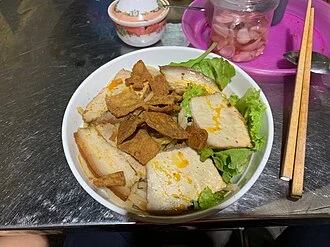
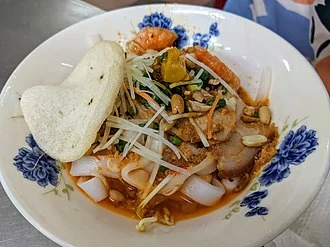
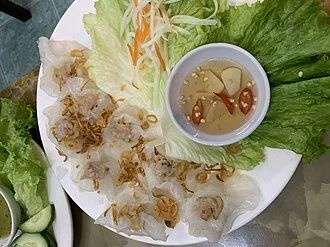
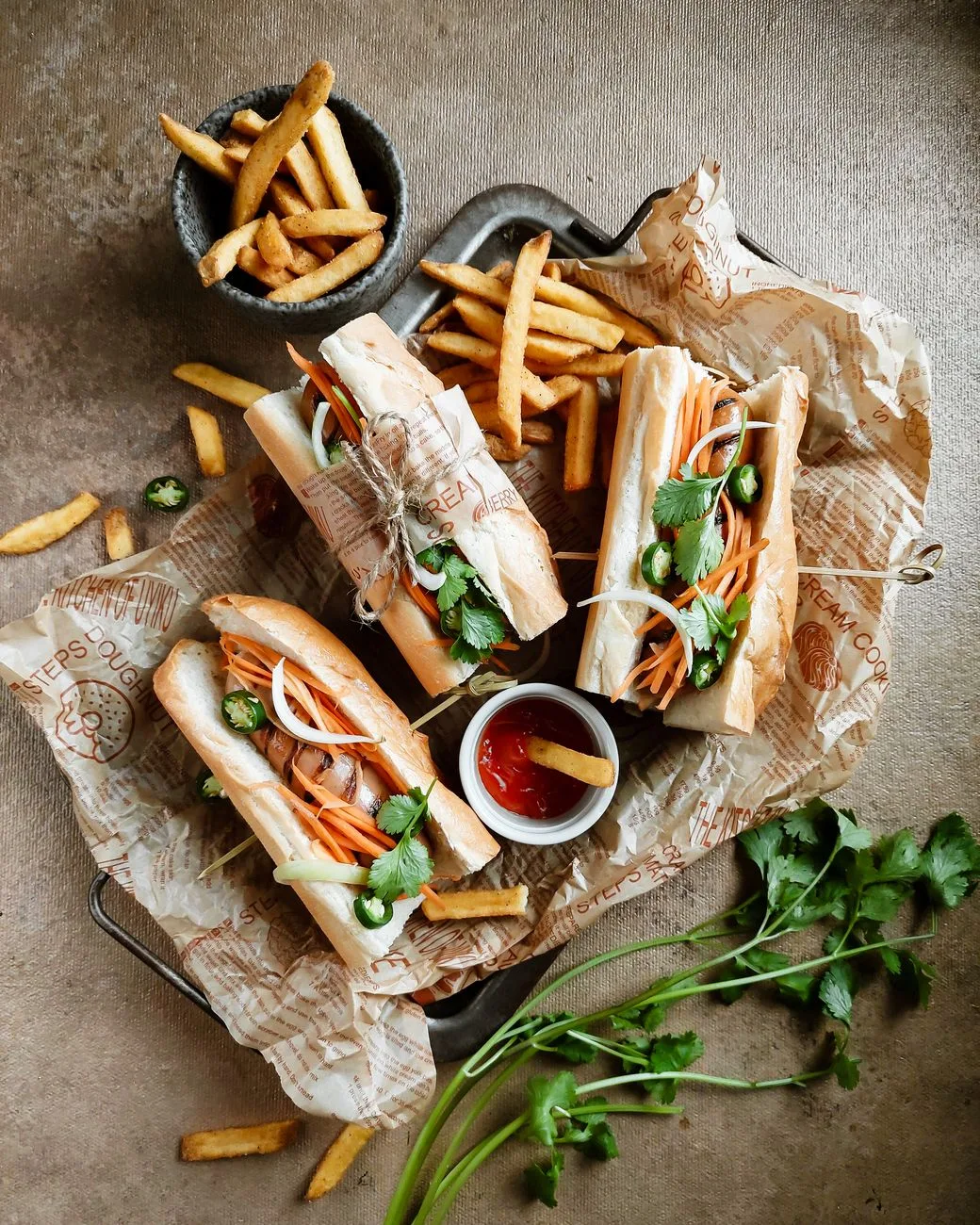
A crispy baguette filled with various meats, vegetables, and sauces. Pork noodle dish with a unique taste from Da Nang. Grilled snakehead fish in bamboo tubes with herbs and spices. A flavorful turmeric-infused noodle soup with meat, herbs, and peanuts. A refreshing salad of water spinach with garlic and chili. Grilled pork rolls wrapped in rice paper, often served with a dipping sauce. Delicate dumplings filled with shrimp and wrapped in translucent rice paper.
Traditional Local Food
Hoi An (Vietnam)
 Street food
Meat
Banh Mi Hoi An
Bánh mì Hội An
Ban mee hoy ahn
Main course
Meat
Cao Lau
Cao Lầu
Gow low
🐟
Main course
Fish & Seafood
Fish Reeds
Cá Lóc Nướng Ống Tre
ca lok nuong ong tre
Main course
Meat
Mi Quang
Mì Quảng
Mee Kwahng
🌱
Starter
Vegan
Morning Glory Salad
Gỏi Rau Muống
goh-ee rau moong
🥩
Street food
Meat
Vietnamese Rice Paper Rolls
Nem Lụi Huế
Nem Loo-ee Hway
Starter
Fish & Seafood
White Rose Dumplings
Bánh bao bánh vạc
Bang bow bang vahk