

Explore Guides
AFRICA
Zambia
Triplandio Zambia guide covers 4 travel guides with 1 city across 16 areas, complete with hotel picks. Explore 12 self-guided walking tours in Zambia with 15 POI, spanning 37.9 km in total. Get inspired by 5 local dishes, complete with recipes and our unique Food Flavour DNA graph.
Country Data Zambia

Key travel data for Zambia — safety, healthcare, local currency and essentials, curated by Triplandio.
🌍 Zambia
Tourists
502K/y
GDP/cap
$1.3k
Life Exp
66.5 yrs
Population
21.9M
Currency
ZMW ZK
Language
English
Payments
Cash only
Emergency
999
Travel tipsZambia

Quick tips
- Pornography is illegal — Critical
Possessing pornographic material in Zambia, including on your phone or laptop, is illegal and can lead to prison or deportation. Delete anything that could count before you travel.
- Don't photograph government buildings — Critical
Taking pictures of sensitive sites such as army barracks, police stations or government buildings in Zambia can get you arrested. If in doubt, don't take the photo.
- Wildlife trade means prosecution — Critical
Buying, selling or carrying parts of protected animals without a licence — ivory, skins, horns — is prosecuted in Zambia with fines or prison. Avoid wildlife souvenirs.
- Don't drive outside towns at night — Caution
Zambian roads have deep potholes, unlit vehicles, pedestrians and animals, and fatal crashes are frequent. Plan road journeys so you arrive before dark.
- Get the KAZA UNIVISA for Victoria Falls — Local tip
The KAZA (Kavango Zambezi) UNIVISA costs 50 US dollars, lasts 30 days and covers Zambia and Zimbabwe plus day trips to Botswana — ideal for seeing both sides of Victoria Falls.
- Fly between parks in the dry season — Local tip
Zambia's best parks — South Luangwa, Lower Zambezi and Kafue — are far apart on rough roads. Most visitors combine them with Livingstone using small scheduled or charter flights between May and October.
- Do
- Carry a copy of your passport
- Take malaria precautions
- Arrive before dark on road trips
- Ask before photographing people
- Use operator- or hotel-booked cars
- Don’t
- Carry pornography on your devices
- Photograph government buildings
- Buy ivory or animal skins
- Walk around camps alone at night
- Swim in rivers or lakes
Critical
Prison or heavy penalty possible
Laws & fines
- Drug laws are strict — Critical
Possessing or using any drug in Zambia, including cannabis, is a serious offence, and smuggling brings long prison sentences.
- Same-sex relationships are illegal — Critical
Same-sex sexual activity is illegal in Zambia and can bring a long prison sentence. Attitudes are conservative, so avoid public displays of affection.
Outdoors & adventure
- Wild animals can kill — Critical
Hippos, crocodiles, elephants, buffalo and venomous snakes are common in Zambia, on land and on the water. Follow your guide's instructions and never walk around camps alone at night.
Caution
Fines, losses or injury possible
Getting between cities
- Long-distance buses are risky — Caution
Buses between Zambian towns are cheap but often poorly maintained and driven by tired drivers. Choose a reputable company and travel in daylight only.
Laws & fines
- Traffic offences go to fast-track courts — Caution
Traffic offenders in Zambia are prosecuted through fast-track courts. Using a phone while driving and drink-driving are illegal, and speed checks are common.
Health
- Malaria is widespread — Caution
Malaria is a risk throughout Zambia, including Livingstone and the national parks. Ask a travel clinic about antimalarials and use repellent at dusk and after dark.
- Avoid Copperbelt rivers — Caution
A 2025 mine spill released heavy metals into the Chambishi stream and the Mwambashi and Kafue rivers in the Copperbelt. Don't bathe in them or eat local fish or water from the area — boiling doesn't help.
Outdoors & adventure
- Walking safaris need an armed guide — Caution
Zambia is famous for walking safaris, especially in South Luangwa. Walk only with licensed guides and an armed scout, and keep in single file.
- Victoria Falls adventure sports — Caution
Bungee jumping, white-water rafting and swimming at Devil's Pool on the lip of Victoria Falls have caused serious accidents. Use established operators and follow every safety instruction.
- Don't swim in lakes and rivers — Caution
Lakes and rivers in Zambia can carry schistosomiasis (bilharzia), a parasitic infection, and often hold crocodiles and hippos. Swim in pools instead.
- Beware of carjackers — Caution
When driving, keep windows closed and doors locked, ignore hitchhikers, and be alert at gates at night or if the road is blocked by an object.
Good to know
Rules and useful facts
Getting between cities
- Driving yourself — Good to know
Traffic in Zambia drives on the left. Many visitors can use their home licence for up to 90 days, but hire companies often require an International Driving Permit (IDP) and a minimum age.
- Rainy-season road closures — Good to know
From November to April, floods can wash away roads and bridges in Zambia, and many park roads become impassable. Check conditions before long drives.
Regions & seasons
- South Luangwa for walking safaris — Good to know
South Luangwa National Park in the east is best from June to October. Many camps close during the rains, when roads flood.
- Hot, dry and wet seasons — Good to know
Zambia has a cool dry season (May–August), a hot dry season (September–November, often above 35°C in the valleys) and a rainy season (November–April).
Laws & fines
- Carry a copy of your passport — Good to know
Carry a copy of your passport photo page and your Zambian entry stamp at all times, and keep the originals in a safe place.
Tipping & money
- Carry kwacha for daily costs — Good to know
The local currency is the Zambian kwacha (ZMW). Cards work in Lusaka and Livingstone malls and at lodges, but markets, taxis and rural shops take cash only.
Entry & visa
- Travel advisory: Level 1 of 4 — Good to know
Exercise Normal Precautions — the U.S. State Department's rating for Zambia.
- Visa rules depend on your passport — Good to know
British and many other visitors need no visa for Zambia and can stay up to 90 days in any 12 months. Check the rules for your passport with the Zambian Department of Immigration.
- Passport needs 6 months and 2 blank pages — Good to know
Your passport must be valid for 6 months after you arrive in Zambia and have at least 2 blank pages for stamps. Make sure it is stamped on entry.
- Show onward tickets and funds — Good to know
Zambian border officers can ask for a return or onward ticket and proof that you have enough money for your stay.
- Departure tax is usually in the fare — Good to know
Zambia's departure tax is normally included in your air ticket. If not, you must pay it in cash in Zambian kwacha at the airport.
Health
- Yellow fever certificate — Good to know
You need a yellow fever vaccination certificate to enter Zambia if you arrive from a country with yellow fever risk. Check your onward countries' rules too.
- Drink bottled or treated water — Good to know
Cholera outbreaks occur in Zambia. Drink bottled or treated water and avoid raw food from street stalls.
- HIV is common — Good to know
About 11% of adults in Zambia are estimated to live with HIV. Take normal precautions, including using condoms.
- Medical care is basic outside Lusaka — Good to know
Healthcare in rural Zambia is very limited, and serious cases are often flown to South Africa. Carry a first-aid kit and insurance that covers evacuation.
Local tips
Local know-how
Getting between cities
- Domestic flights — Local tip
Scheduled domestic flights link Lusaka with Livingstone and Mfuwe, the gateway to South Luangwa, and charter planes reach bush airstrips. Soft bags and strict weight limits are usual.
Regions & seasons
- Livingstone and Victoria Falls — Local tip
Livingstone is Zambia's tourist capital, with the falls, river cruises and adventure sports. It is visited all year, but the falls look very different at high and low water.
- Lower Zambezi for canoe safaris — Local tip
Canoe and boat safaris on the Lower Zambezi run in the dry season, roughly April to November, among hippos, elephants and crocodiles.
Customs
- Take time over greetings — Local tip
Zambians greet warmly before any business. Shake hands and ask how the person is; touching your right forearm with your left hand while shaking shows extra respect.
- Ask before photographing people — Local tip
Always ask before taking pictures of people or villages in Zambia. Some people will say no, and some may ask for a small payment.
- Dress modestly in towns and villages — Local tip
Zambia is a conservative, largely Christian country. Shorts and swimwear are fine in lodges, but wear knee-length clothes in towns and villages.
Tipping & money
- Tipping in restaurants — Local tip
Leave about 10% in Zambian restaurants if no service charge has been added. Porters and car guards appreciate a small tip in kwacha.
- Tip safari guides and camp staff — Local tip
Safari guides and lodge staff in Zambia expect tips, usually left in a shared staff box at the end of your stay. Ask your lodge for its guideline.
- Bargain at curio markets — Local tip
Haggling is normal at craft and curio markets, such as those near Victoria Falls. Start well below the asking price and keep it friendly.
Our Zambia city guides
Use taxis booked by your hotel and don't walk around the city centre after dark.
Say it locally
English is the official language, but a few words of Nyanja, the main language of Lusaka and the east, are warmly received.
Through the year
Festival or season Public holiday (exact date)
- Low water at Victoria Falls
Sep–Dec 2026 · The Zambian side can run almost dry, but this is when Devil's Pool swims and the best rafting are possible.
- Rainy season
Nov 2026–Apr 2027 · Heavy rains flood roads and wash away bridges; many bush camps, especially in South Luangwa and Lower Zambezi, close until about April.
- Christmas Day
Fri 25 Dec 2026 · Public holiday
- Declaration of Zambia as a Christian Nation (tentative)
Tue 29 Dec 2026 · Public holiday
- New Year
Fri 1 Jan 2027 · Public holiday
- Victoria Falls at full flow
Feb–May 2027 · The falls are most powerful after the rains; spray can hide the view and soak you, so bring a raincoat.
- Kuomboka ceremony
Mar–Apr 2027 · The Lozi king moves by royal barge from the flooding plains of Western Province to higher ground; held only in years with enough flooding.
- International Women's Day
Mon 8 Mar 2027 · Public holiday
- Youth Day
Fri 12 Mar 2027 · Public holiday
- Good Friday
Fri 26 Mar 2027 · Public holiday
- Holy Saturday
Sat 27 Mar 2027 · Public holiday
- Easter Monday
Mon 29 Mar 2027 · Public holiday
- Kenneth Kaunda Day
Wed 28 Apr 2027 · Public holiday
- Labour Day
Sat 1 May 2027 · Public holiday
- Africa Freedom Day
Tue 25 May 2027 · Public holiday
- Peak dry-season safaris
Jul–Oct 2027 · Animals gather at rivers and waterholes; the best game viewing, with lodges fully booked. October is very hot.
- Heroes' Day
Mon 5 Jul 2027 · Public holiday
- Unity Day
Tue 6 Jul 2027 · Public holiday
- Farmers' Day
Mon 2 Aug 2027 · Public holiday
- Independence Day
Sun 24 Oct 2027 · Public holiday
Sources: GOV.UK travel advice · U.S. State Dept · Google public holidays
Traditional Local Food Zambia
Main course
Vegan
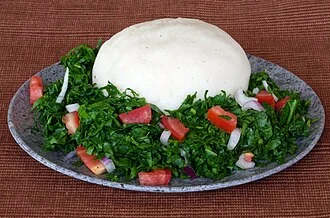
Nshima
nsh-ee-mah
· Mealie meal porridge
Nshima, a porridge made from ground maize, is the cornerstone of Zambian meals.
Open Nshima recipe🥩
Snack
Meat
Ifinkubala
ifin-kuh-bah-lah
· Fried caterpillars
Fried caterpillars seasoned with spices, a popular Lusaka street food.
Open Ifinkubala recipe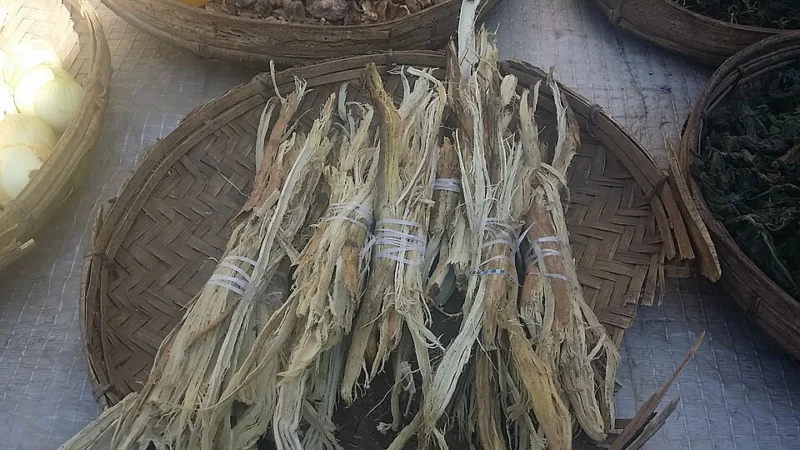
Drink
Vegan
Munkoyo
mun-ko-yoh
· Fermented maize beverage
Munkoyo is a traditional, lightly fermented beverage made from maize meal.
Open Munkoyo recipe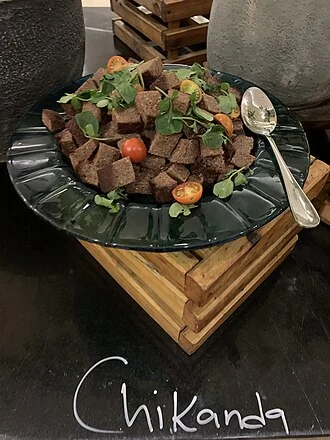
Snack
Vegan
Chikanda
chee-kan-dah
· Zambian meatless sausage
Chikanda is a traditional Zambian dish made from orchid tubers and ground peanuts.
Open Chikanda recipe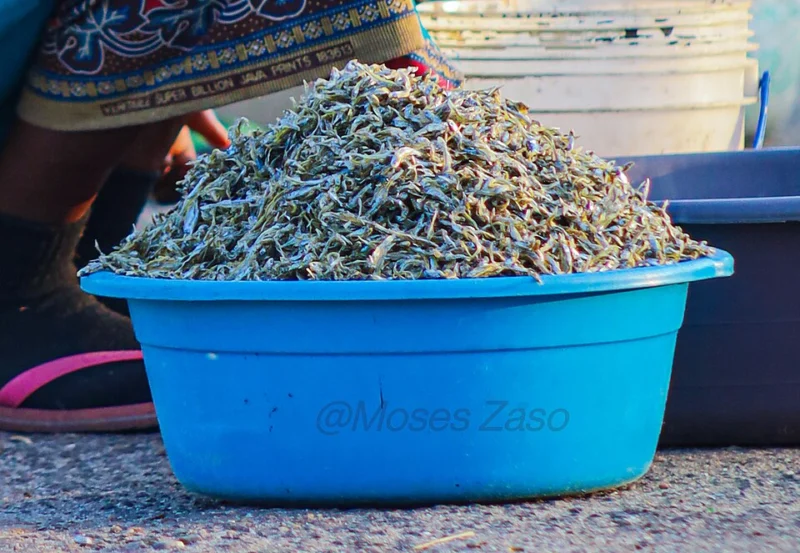
Main course
Fish & Seafood
Kapenta
kah-pen-tah
· Fried small fish
Kapenta are small fish, fried or stewed, commonly served with nshima.
Open Kapenta recipe