

Explore Guides
AFRICA
Mozambique
Triplandio Mozambique guide covers 6 travel guides with 2 cities across 24 areas, complete with hotel picks. Explore 21 self-guided walking tours in Mozambique with 37 POI, spanning 64.2 km in total. Get inspired by 8 local dishes, complete with recipes and our unique Food Flavour DNA graph.
Country Data Mozambique

Key travel data for Mozambique — safety, healthcare, local currency and essentials, curated by Triplandio.
🌍 Mozambique
Tourists
2.0M/y
GDP/cap
$0.6k
Life Exp
63.8 yrs
Population
35.6M
Payments
Mixed
Emergency
112
Travel tipsMozambique

Quick tips
- Avoid Cabo Delgado and nearby districts — Critical
Because of an Islamist insurgency and kidnap risk, several governments, including the UK, advise against all travel to Cabo Delgado Province except Pemba, Palma and Afungi (essential travel only), and to Memba, Eráti, Mecula and Marrupa districts.
- Don't drive after dark — Critical
Mozambique's roads are poorly lit and full of potholes, pedestrians and livestock, and carjackings happen. Travel outside the major cities only in daylight and on main roads.
- Carry your original passport — Caution
Foreigners in Mozambique must carry their passport at all times. Police checkpoints are common and officers will not accept a photocopy or a photo on your phone.
- No drinking on public beaches — Caution
It is illegal to drink alcohol on public beaches in Mozambique. Drink at beach bars, restaurants or your lodge instead.
- Apply for the ETA before you fly — Good to know
Many visitors, including British citizens, need an Electronic Travel Authorisation (ETA) for stays of up to 30 days, bought online at least 5 working days ahead. It cannot be paid at the border; print the approval and receipt.
- Mozambique is huge: fly between regions — Local tip
Mozambique's coast is about 2,500 km long and roads are slow and risky. Most visitors pick one region, such as the south around Inhambane, and fly to reach the north.
- Do
- Carry your original passport
- Travel by road only in daylight
- Take antimalarials and a mosquito net
- Keep triangles and vests in the car
- Ask police for a written fine
- Don’t
- Drink alcohol on public beaches
- Photograph police or airports
- Swim in lakes or rivers
- Walk alone on empty beaches
- Travel to Cabo Delgado's interior
Critical
Prison or heavy penalty possible
Regions & seasons
- The north: check the security situation — Critical
Ilha de Moçambique and the Quirimbas islands are beautiful, but parts of Cabo Delgado, Niassa and Nampula are affected by insurgent attacks. Check current government advice before booking.
Laws & fines
- Drug offences mean long sentences — Critical
Using, possessing or trafficking drugs in Mozambique leads to long prison sentences and fines, with no special treatment for tourists.
- Avoid protests and road blocks — Critical
Protests in Mozambique can start suddenly and turn violent, and road toll gates are a frequent target. Keep away from gatherings and change route if you see road blocks.
Health
- Malaria is a risk everywhere — Critical
Malaria is present across Mozambique, including on the coast. Ask a travel clinic about antimalarial tablets, use repellent and sleep under a mosquito net.
Beaches & adventure
- Carjacking tricks — Critical
Carjackers in Mozambique sometimes fake a breakdown or an injured person to make drivers stop. Keep doors locked and windows up, and drive to a police station if worried.
- Landmines in remote areas — Critical
Mines may still exist in remote areas of the central and southern provinces, away from main routes. Keep to roads and known tracks, and ask local authorities before going off-road.
Caution
Fines, losses or injury possible
Getting between cities
- Chapas are cheap but risky — Caution
Chapas, the crowded minibuses that serve most routes, are cheap but often overloaded and driven fast. Road accidents are common in Mozambique, so choose larger buses or private transfers for long trips.
- Floods can cut roads — Caution
From November to April, low-lying areas along Mozambique's big rivers flood at short notice, and cyclones cause landslides, closing roads even in Maputo. Check conditions and carry emergency supplies.
Laws & fines
- No photos of officials or airports — Caution
Photographing government offices, airports, military sites, police or officials in Mozambique is illegal without special permission. If in doubt, keep your camera down.
- Handling police bribe requests — Caution
Some police in Mozambique stop visitors and demand money for invented offences. Stay calm, keep your documents ready and ask for a written fine to pay at a police station.
- Driving on the beach is banned — Caution
Driving vehicles on Mozambique's beaches is prohibited to protect dunes and nesting turtles. Use marked access tracks and park above the beach.
Tipping & money
- Use bank ATMs in daytime — Caution
Robberies happen at street ATMs in Mozambique. Withdraw cash in daylight from machines inside banks, and don't show cash, jewellery or phones in public.
Entry & visa
- Slow crossing at Ressano Garcia — Caution
The main land border from South Africa, Lebombo–Ressano Garcia, can take hours in holiday periods, and robberies have happened in the queue after dark. Cross early in the day.
Health
- Cholera in the centre and north — Caution
Mozambique has had a cholera outbreak in central and northern areas. Drink only bottled or treated water, and eat food that is freshly cooked and hot.
Beaches & adventure
- Beaches are not policed — Caution
Mozambique's beaches and offshore islands have no police patrols, and walkers have been robbed. Don't walk on empty beaches alone or at night, and leave valuables at your lodge.
- Carry triangles, vests and insurance — Caution
Drivers in Mozambique must carry 2 warning triangles and reflective vests and hold third-party insurance, sold at most land borders. Police fine you on the spot if anything is missing.
- Lower drink-driving limit — Caution
Mozambique's drink-driving limit is low, so the safest choice is not to drink at all before driving. Over the limit you face a fine and possible prison.
Good to know
Rules and useful facts
Getting between cities
- Check your licence before driving — Good to know
Visitors from the UK can drive in Mozambique on a photocard licence for up to 90 days; other licences may need an International Driving Permit (IDP). Traffic drives on the left.
- Keep to main roads, in convoy if rural — Good to know
Outside cities in Mozambique, stay on main roads, travel in daylight and, in remote rural areas, go with another vehicle if you can.
Regions & seasons
- The south: beaches and diving — Good to know
Maputo, Ponta do Ouro, Tofo and the Bazaruto Archipelago off Vilanculos are the easiest and most visited parts of Mozambique, best from May to November.
- The centre: Gorongosa and Beira — Good to know
Central Mozambique has Gorongosa National Park and the port of Beira. It is hit hardest by cyclones and floods in the rainy season, November to April.
Laws & fines
- Hand your passport only to officials — Good to know
Never give your passport to anyone in Mozambique except a uniformed official. If someone claims to be police, ask to see their identification first.
Customs
- LGBT+ travellers — Good to know
Same-sex relationships are not illegal in Mozambique. Attitudes in Maputo are fairly liberal, but rural areas are more conservative, so be discreet with public affection.
Tipping & money
- Visa works better than Mastercard — Good to know
Cards are increasingly accepted in Maputo and big hotels, but Mastercard often isn't. Carry a Visa card as well, and enough cash for rural areas.
Entry & visa
- Travel advisory: Level 2 of 4 — Good to know
Exercise Increased Caution — the U.S. State Department's rating for Mozambique.
- Passport: 6 months and 2 blank pages — Good to know
Your passport must be valid for at least 6 months after you arrive in Mozambique and have 2 blank pages. Check the dates stamped before leaving the immigration desk.
- Proof of stay and funds — Good to know
Mozambican immigration may ask for proof of accommodation, a return or onward ticket and evidence you can pay for your stay.
- Children need full birth certificates — Good to know
Children under 18 entering Mozambique need an unabridged birth certificate listing both parents, plus a notarised consent letter less than 3 months old if a parent is absent.
- Yellow fever certificate if needed — Good to know
Mozambique asks for a yellow fever vaccination certificate if you arrive from a country with yellow fever risk.
- Declare large amounts of cash — Good to know
Declare 10,000 meticais or more in local cash, and foreign cash or travellers' cheques worth 5,000 US dollars or more, when entering Mozambique.
Health
- Don't swim in lakes and rivers — Good to know
Freshwater lakes and rivers in Mozambique can carry schistosomiasis (bilharzia), a parasite that enters through the skin. Swim in the sea or chlorinated pools instead.
- Hospitals are basic — Good to know
Hospitals in Mozambique, especially in the north, are below European standards. Serious cases are often evacuated to South Africa, so insurance with medical evacuation is essential.
- Ambulance numbers — Good to know
For an ambulance in Mozambique, call 848888 or 823388. Contact your insurance company quickly if you are taken to a clinic or hospital.
Beaches & adventure
- Choose a reputable dive operator — Good to know
Diving with manta rays and whale sharks is a highlight in Mozambique, but currents are strong. Check the operator's certification, the boat's safety kit and that someone knows your plans.
- Fuel can run out — Good to know
Petrol stations in Mozambique, even in big cities, sometimes run dry and queues can be long. Fill up whenever you can and check fuel with your tour operator.
Local tips
Local know-how
Getting between cities
- Domestic flights save days — Local tip
The national airline LAM (Linhas Aéreas de Moçambique) and a few smaller airlines link Maputo with Inhambane, Vilanculos, Beira, Nampula and Pemba. Flights can be delayed or cancelled, so leave spare time.
Customs
- Greet people before business — Local tip
In Mozambique, start every conversation, even a quick question in a shop, with a greeting such as ‘bom dia’ (good morning). Jumping straight to the point seems rude.
- Cover up away from the beach — Local tip
Swimwear is fine on the beach, but in towns, markets and villages in Mozambique people dress modestly. Cover your shoulders and wear shorts or skirts to the knee.
- Ask before taking photos of people — Local tip
Always ask before photographing people in Mozambique, especially in villages and markets. Some will say no or expect a small payment.
Tipping & money
- Tip about 10% in restaurants — Local tip
Service is rarely included in Mozambican restaurants. A tip of around 10% for good service is appreciated, and guides and dive crews also expect tips.
- Bring US dollars or rand — Local tip
The local currency is the metical (MZN). US dollars and South African rand are the easiest currencies to exchange; travellers' cheques are rarely accepted.
- Haggle at craft markets — Local tip
Bargaining is normal at Mozambique's craft and curio markets and with beach sellers. Keep it friendly and agree the final price before you pay.
Our Mozambique city guides
Fly to Inhambane, then take a short road transfer; book dives with an established operator.
Travel only if essential, fly in and out, and avoid the roads of Cabo Delgado Province.
Say it locally
Portuguese is the official language; always start with a greeting such as “bom dia” before asking anything.
Through the year
Festival or season Public holiday (exact date)
- Rainy and cyclone season
Nov 2026–Apr 2027 · Hot and humid with heavy rain; cyclones and floods can cut roads and close lodges, especially on the central coast.
- South African holidays
Dec 2026–Jan 2027, Apr 2027 · Christmas, New Year and Easter bring crowds to the southern beaches and long queues at the South African border; book early.
- Family Day
Fri 25 Dec 2026 · Public holiday
- New Year
Fri 1 Jan 2027 · Public holiday
- Mozambican Heroes Day
Wed 3 Feb 2027 · Public holiday
- Mozambican Woman's Day
Wed 7 Apr 2027 · Public holiday
- Dry season
May–Oct 2027 · Sunny, dry and cooler, with the best conditions for road trips, safaris and beach stays.
- May Day
Sat 1 May 2027 · Public holiday
- Independence Day
Fri 25 Jun 2027 · Public holiday
- Humpback whale season
Jul–Oct 2027 · Humpback whales pass along the southern coast; boat trips from Tofo, Ponta do Ouro and Vilanculos often see them.
- Victory Day
Tue 7 Sep 2027 · Public holiday
- Armed Forces Day
Sat 25 Sep 2027 · Public holiday
- Peace and Reconciliation Day
Mon 4 Oct 2027 · Public holiday
Sources: GOV.UK travel advice · U.S. State Dept · Google public holidays
Traditional Local Food Mozambique
Main course
Fish & Seafood
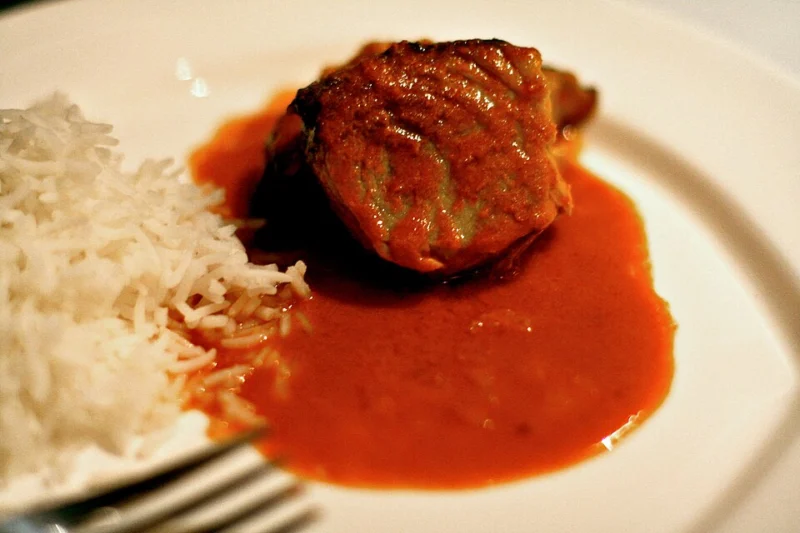
Caril de Peixe Tofo
Caril de Peixe
Kah-reel de Peh-sheh
· Tofo Fish Curry
A rich fish curry with coconut and spices.
Open Caril de Peixe Tofo recipe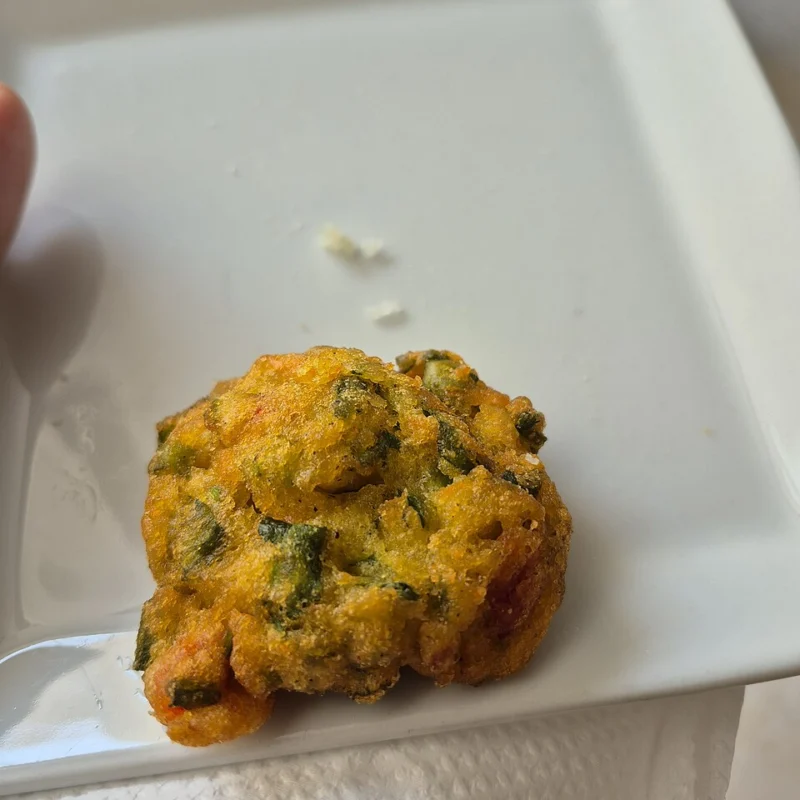
Snack
Vegan
Badjia
BAH-jee-ah
· Fried bean patties
Small, savory bean cakes often served as snacks or appetizers.
Open Badjia recipe🐟
Starter
Fish & Seafood
Salada de Polvo Tofo
Salada de Polvo
Sah-lah-dah deh Poh-voh
· Tofo Octopus Salad
A fresh salad featuring boiled octopus and vegetables.
Open Salada de Polvo Tofo recipe
Main course
Vegetarian
Matapa
mah-TAH-pah
· Cassava leaves in coconut sauce
A creamy dish of cassava leaves cooked in coconut milk and peanuts.
Open Matapa recipe🌿
Main course
Vegetarian
Mucapata
moo-kah-PAH-tah
· Rice and coconut dish
Rice cooked with coconut and often served with beans.
Open Mucapata recipe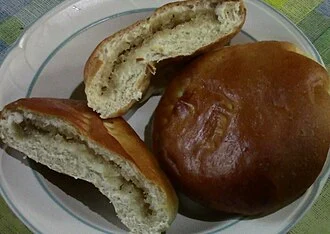
Bread
Vegetarian
Pão de Coco
Pown de Koh-ko
· Coconut Bread
A sweet bread infused with coconut, typical in Tofo.
Open Pão de Coco recipe🌿
Main course
Vegetarian
Xima e Matapa
Shee-ma eh Ma-tah-pa
· Corn Porridge with Greens
Traditional cornmeal porridge served with matapa.
Open Xima e Matapa recipe
Side dish
Vegan
Kakana
kah-KAH-nah
· Bitter greens sauté
A simple dish of locally grown bitter greens sautéed with garlic.
Open Kakana recipe