Explore Guides
SOUTH AMERICA / SURINAME
Triplandio Paramaribo guide covers 2 travel guides across 8 areas, complete with hotel picks. Explore 8 self-guided walking tours in Paramaribo with 12 POI, spanning 24.7 km in total. Get inspired by 5 local dishes, complete with recipes and our unique Food Flavour DNA graph.
Paramaribo
City & Country Data Paramaribo (Suriname)

Key travel data for Paramaribo — local prices, safety, healthcare, local currency and essentials, curated by Triplandio.
🌍 Suriname
Tourists
279K/y
GDP/cap
$7.1k
Life Exp
73.8 yrs
Population
639.9K
Currency
SRD $
Language
Dutch
Payments
Cash only
Emergency
115
💰 Prices in Paramaribo
Coffee
$5.00
Beer
$4.00
Lunch
$12.00
Groceries
$50.00/w
Taxi/km
$1.00
Transit
$1.50
Fuel
$0.50/l
Internet
$50.00/m
Salary
$500/m
Travel tipsParamaribo (Suriname)

Quick tips
- Pack your own bags — Critical
Suriname has severe penalties for all drug offences. Pack all your luggage yourself, keep it with you and never carry anything through customs for someone else, however harmless it seems.
- Tour the interior with an established company — Caution
Tourists have been robbed while travelling in central Suriname, away from the coast. Visit the rainforest and river villages with a well-established tour company.
- Pay the entry fee before you fly — Good to know
Visitors who don't need a visa, including British tourists, must pay an entry fee of 54 US dollars online before travelling to Suriname. Check the rules for your passport.
- Complete the Immigration and Customs Form — Good to know
Every traveller must fill in the online Immigration and Customs Form (ICF) in the three days before arriving in Suriname and again before departing.
- Bring US dollars or euros, not pounds — Good to know
British pounds can't be exchanged in Suriname. Bring US dollars or euros in cash, as cards are accepted mostly at major hotels.
- Do
- Pay the entry fee online first
- Bring US dollars or euros in cash
- Book interior trips with known firms
- Use licensed or hotel taxis
- Keep copies of your passport
- Don’t
- Carry bags for anyone else
- Hail taxis in the street
- Walk quiet areas alone at night
- Flash jewellery or cash
- Drive after dark
Critical
Prison or heavy penalty possible
Laws & fines
- Drug offences bring heavy sentences — Critical
Possessing, using or trafficking any illegal drug in Suriname is punished severely and can lead to a long prison sentence.
Health
- Medical care is very limited — Critical
Medical facilities in Suriname are severely limited and many want payment upfront. Have insurance covering evacuation; for an ambulance, call 113 or 115.
Caution
Fines, losses or injury possible
Scams & safety
- Robberies in the Palm Garden — Caution
Criminals target people in quiet and secluded parts of Paramaribo, including the Palm Garden (Palmentuin) behind the Presidential Palace. Visit in daylight and in company.
- Don't hail taxis in the street — Caution
Use only licensed taxis in Paramaribo, booked by phone or taken from official hotel taxi ranks. Don't flag down cars at the roadside, especially at night.
Laws & fines
- Don't overstay your permitted stay — Caution
Staying in Suriname beyond your permitted entry period, or working without a work permit, is illegal. Extend your stay officially before it ends if needed.
- Stay away from demonstrations — Caution
Demonstrations in Suriname can turn violent and lead to roadblocks. Avoid crowds, follow local media and allow extra travel time when protests are announced.
Tipping & money
- Change money at banks or exchange offices — Caution
Exchange US dollars or euros at banks or licensed exchange offices (cambios) in Paramaribo, never with people offering rates on the street.
Rainforest & adventure
- Check small airlines' safety records — Caution
Some Surinamese airlines are on the UK Air Safety List of carriers that don't meet international safety standards. Check the list, or ask your tour operator, before booking flights to interior lodges.
- Avoid driving at night — Caution
Roads in Suriname can be poorly lit, with cyclists, pedestrians and animals on the road after dark. Plan journeys to finish before nightfall.
Good to know
Rules and useful facts
Scams & safety
- Travel advisory: Level 1 of 4 — Good to know
Exercise Normal Precautions — the U.S. State Department's rating for Suriname.
- Pickpockets in the shopping streets — Good to know
Pickpocketing and robbery are increasingly common in Paramaribo's main business and shopping streets. Carry little cash and keep your phone out of sight.
- Leave jewellery at the hotel — Good to know
Armed robberies and burglaries happen in and around Paramaribo. Avoid wearing expensive jewellery or showing large amounts of money in public.
Laws & fines
- Keep copies of your documents — Good to know
Keep your passport, driving licence and cards secure in Suriname, with photocopies stored separately so you can replace them quickly if they're stolen.
- Declare goods at customs — Good to know
Suriname has strict customs rules. Declare anything that may be restricted or subject to duty when you arrive, including large sums of cash.
Tipping & money
- Cash is king — Good to know
Credit cards are rarely accepted outside major hotels in Suriname. Carry enough cash in Surinamese dollars (SRD), US dollars or euros for meals, taxis and tours.
- Use cash machines in Paramaribo — Good to know
Only some cash machines in Paramaribo accept international cards. Withdraw what you need before heading into the interior, where there are no machines.
Entry & visa
- Passport valid for 6 months — Good to know
Your passport must be valid for at least 6 months after the date you arrive in Suriname.
- Up to 90 days for tourism — Good to know
British and some other visitors can stay in Suriname for tourism for up to 90 days without a visa, after paying the entry fee. Other nationalities may need a visa in advance.
- Work and business need a visa — Good to know
The visa-free entry is for tourism only. Working, studying or business travel in Suriname requires a visa arranged in advance.
Health
- Get vaccinated against yellow fever — Good to know
Yellow fever is present in Suriname, and you'll need a vaccination certificate to enter if you're arriving from a country with yellow fever risk. Get vaccinated well before you travel.
- Mosquitoes spread dengue and Zika — Good to know
Dengue and Zika are spread by day-biting mosquitoes in Suriname. Use repellent and cover up; pregnant women should get advice on Zika before travelling.
- Don't swim in still fresh water — Good to know
Schistosomiasis, a parasite that enters through the skin, is a risk in Suriname. Avoid swimming or wading in lakes and slow rivers unless your guide knows the spot is safe.
- Stay cool in the heat — Good to know
Suriname is hot and humid all year and heatwaves happen. Drink plenty of water, stay in the shade at midday and take extra care with children and older travellers.
Rainforest & adventure
- Flooding in the rainy season — Good to know
From May to August, heavy rain can flood roads in northern and central Suriname. Check routes with your tour operator and allow for delays.
Local tips
Local know-how
Getting around
- Johan Adolf Pengel Airport (PBM) → city — Local tip
Johan Adolf Pengel International Airport (PBM) is at Zanderij, about 45 km south of Paramaribo. Allow about an hour by taxi or pre-booked hotel transfer.
- Zorg en Hoop for domestic flights — Local tip
Small planes to the interior use Zorg en Hoop airport inside Paramaribo. Check which airport your ticket is for.
- City minibuses — Local tip
Private minibuses with route numbers serve Paramaribo and nearby districts from the Heiligenweg bus station in the centre. They're cheap but crowded and stop running early in the evening.
- Explore the old town on foot — Local tip
Paramaribo's UNESCO-listed historic centre, from Fort Zeelandia to the Waterkant riverfront, is compact and best seen on foot or by bike in the cooler morning hours.
Customs
- A truly mixed society — Local tip
Suriname's people have Creole, Hindustani, Javanese, Maroon, Chinese, Indigenous and European roots, and a mosque stands next to a synagogue in Paramaribo. Respect each community's customs and holidays.
- Ask before entering villages — Local tip
Maroon and Indigenous villages in the interior have their own rules and leaders. Visit with a guide, ask before taking photos and follow what your guide tells you.
- Greet people when you arrive — Local tip
Surinamese people greet everyone when entering a shop, bus or waiting room. A quick “goedemorgen” (good morning) or “fa waka” in Sranan Tongo goes down well.
Tipping & money
- Tipping in restaurants — Local tip
Check Surinamese restaurant bills for a service charge; if there isn't one, about 10% is appreciated. Tip guides and boatmen on interior tours.
Rainforest & adventure
- Wear a life jacket on river boats — Local tip
Travel to many interior lodges in Suriname is by motorised dugout canoe. Ask for a life jacket and keep valuables in a waterproof bag.
Say it locally
Dutch is the official language, but people also speak Sranan Tongo — “fa waka” (how's it going) and “grantangi” (thank you) earn smiles.
Through the year
Festival or season Public holiday (exact date)
- Long dry season
Aug–Nov 2026 · The most reliable weather for rainforest trips and river travel; the busiest time for interior lodges.
- Independence Day
Wed 25 Nov 2026 · Public holiday
- Short rainy season
Dec 2026–Jan 2027 · A shorter spell of showers around the turn of the year; travel is still possible but expect downpours.
- Owru Yari
Dec 2026 · New Year's Eve street party on 31 December with huge firecracker strings (pagara), music and crowds in the centre.
- Christmas Day
Fri 25 Dec 2026 · Public holiday
- Boxing Day
Sat 26 Dec 2026 · Public holiday
- New Year
Fri 1 Jan 2027 · Public holiday
- Lunar New Year
Sat 6 Feb 2027 · Public holiday
- Turtle nesting season
Mar–Jul 2027 · Sea turtles, including leatherbacks, come ashore to nest on beaches such as Galibi and Matapica; visit with a licensed guide.
- Eid al-Fitr (tentative)
Wed 10 Mar 2027 · Public holiday
- Holi Phagwa
Mon 22 Mar 2027 · Public holiday
- Good Friday
Fri 26 Mar 2027 · Public holiday
- Easter Monday
Mon 29 Mar 2027 · Public holiday
- Long rainy season
May–Aug 2027 · Heavy rain and flooding in the north and centre can disrupt road travel and interior tours.
- Labor Day
Sat 1 May 2027 · Public holiday
- Eid al-Adha (tentative)
Mon 17 May 2027 · Public holiday
- Freedom Day
Thu 1 Jul 2027 · Public holiday
- Indigenous Peoples Day
Mon 9 Aug 2027 · Public holiday
- Day of the Maroons
Sun 10 Oct 2027 · Public holiday
- Diwali
Thu 28 Oct 2027 · Public holiday
Sources: GOV.UK travel advice · U.S. State Dept · Google public holidays
Best time to visit Paramaribo (Suriname)
Now (November) avg high: 32°C, wetter month, full season — expect crowds. Best months to walk: Sep & Oct.
Live Temp
…
~Day / Night Temp
32°C / 24°C
Sunrise / Sunset
6:28 / 18:21
Local time
3:16
Sea Temp
30°C
Best Months  Sep & Oct
J
Jan
F
Feb
M
Mar
A
Apr
M
May
J
Jun
J
Jul
A
Aug
S
Sep
O
Oct
N
Nov
 D
Dec
O
Oct
N
Nov
D
Dec
Check Paramaribo hotels
Temperature
Average daytime high, month by month. Zero line marks freezing point.
Crowds
How busy it gets — traveller interest by month.
Sea temperature
Sea warmth for swimming, by month.
Rainfall
Rainy days to expect each month.
Sunshine
Hours of sun per day, by month.
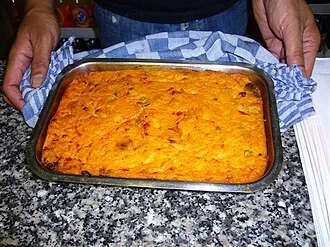
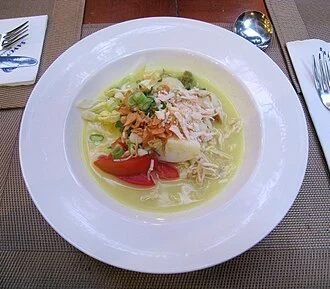
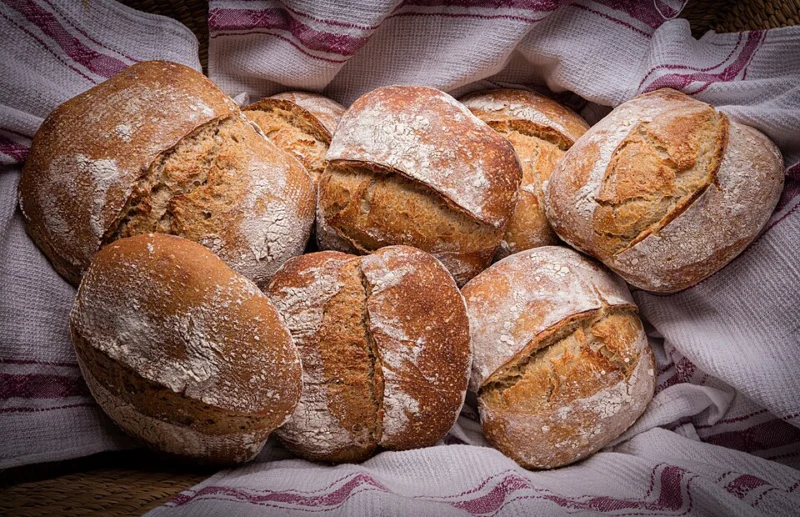
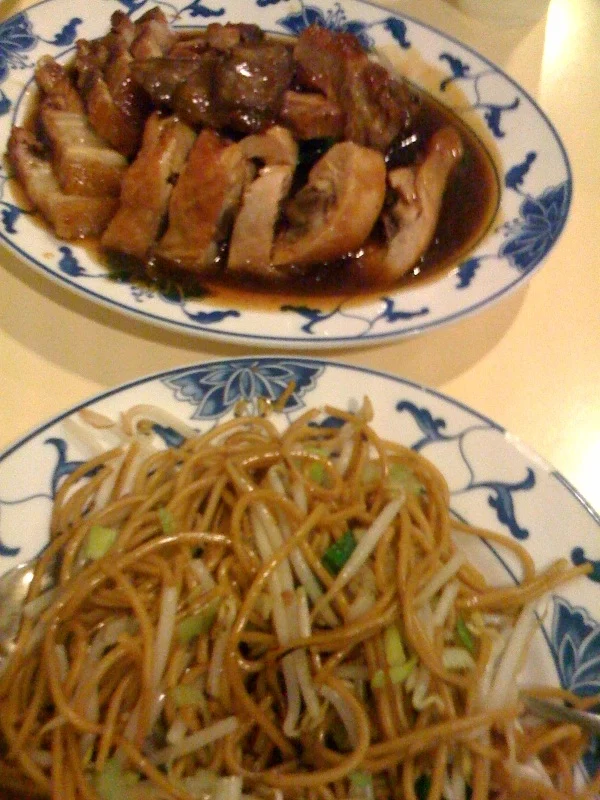
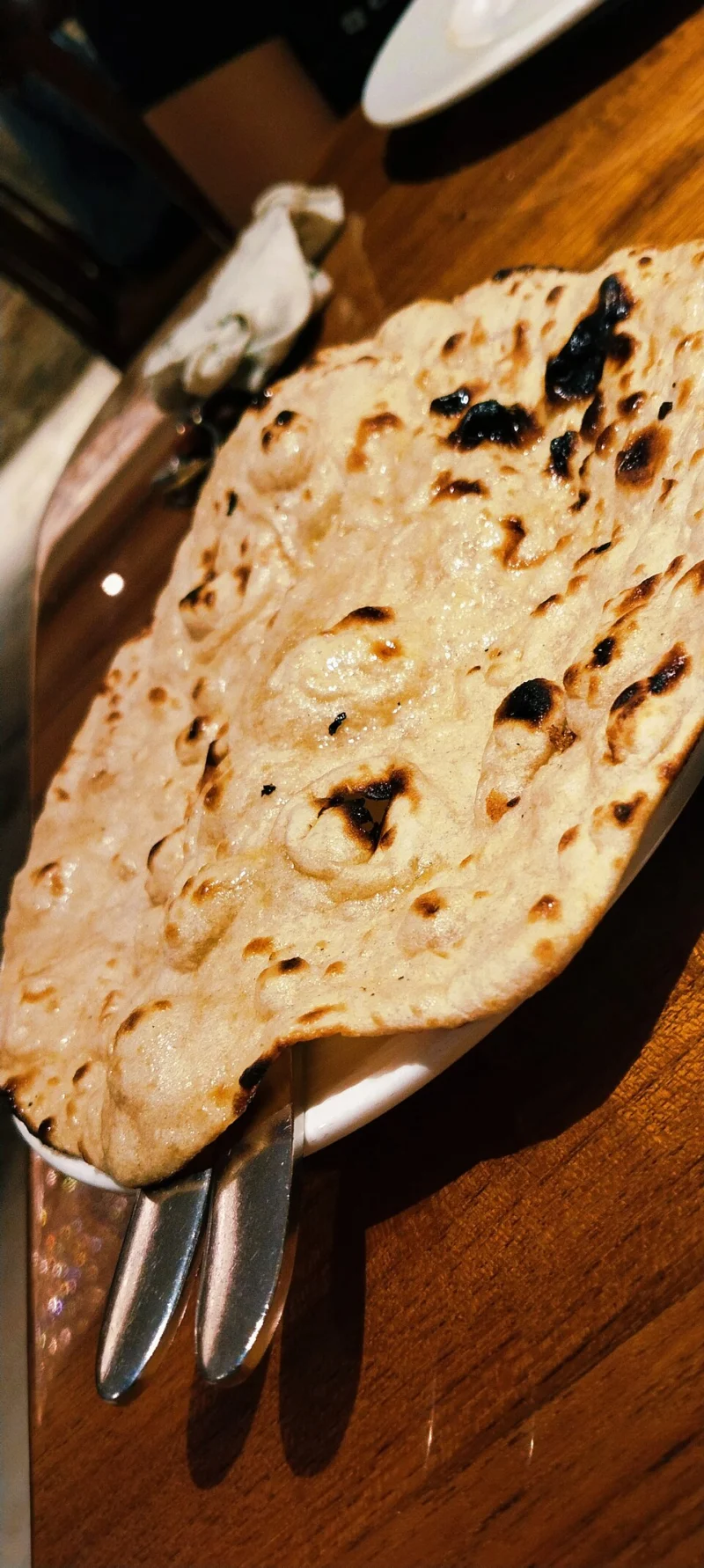
A fried dough made with black-eyed peas and spices. A stir-fry of mixed meats with vegetables. A Surinamese casserole of root vegetables and chicken. A combination of Indian flatbread and spiced chicken. A hearty soup with chicken, egg, and vermicelli.
Traditional Local Food
Paramaribo (Suriname)
 Snack
Vegan
Bara
Bah-rah
· Fried lentil dough snack
 Main course
Meat
Moksi Meti
Mock-see Meh-tee
· Mixed Surinamese meat dish
Main course
Meat
Pom
POHM
· Oven-baked root vegetable and meat
 Main course
Meat
Roti with Chicken Curry
Roti met Kip Kerrie
Roh-tee met Kip Kehr-ree
· Flatbread with spiced chicken curry
Soup
Meat
Saoto Soup
Saoto Soep
Sah-oh-toh Soop
· Indonesian-style chicken soup