Explore Guides
SOUTH AMERICA / PARAGUAY
Triplandio Asuncion guide covers 3 travel guides across 12 areas, complete with hotel picks. Explore 12 self-guided walking tours in Asuncion with 21 POI, spanning 27.5 km in total. Get inspired by 5 local dishes, complete with recipes and our unique Food Flavour DNA graph.
Asuncion
City & Country Data Asuncion (Paraguay)

Key travel data for Asuncion — local prices, safety, healthcare, local currency and essentials, curated by Triplandio.
🌍 Paraguay
Tourists
1.1M/y
GDP/cap
$7.0k
Life Exp
74.0 yrs
Population
7.0M
Currency
PYG Gs
Language
Spanish
Payments
Cash only
Emergency
911
💰 Prices in Asuncion
Coffee
$2.30
Beer
$1.00
Lunch
$4.50
Groceries
$25.00/w
Taxi/km
$0.50
Transit
$0.49
Fuel
$0.96/l
Internet
$25.00/m
Salary
$400/m
Travel tipsAsuncion (Paraguay)

Quick tips
- Drug arrests mean jail without bail — Critical
Paraguay has severe penalties for possessing or trafficking drugs. You can be held in prison without bail, and prison conditions are poor.
- Get your passport stamped at the border — Caution
Make sure an immigration officer stamps, dates and signs your passport when you enter Paraguay, especially at the Ciudad del Este–Foz do Iguaçu bridge. Bus drivers may say you can do it in Asunción — you can't, and you'll be fined when leaving.
- Zero alcohol limit for drivers — Caution
Paraguay's legal blood-alcohol limit for drivers is 0.00%, and police run frequent breath tests. Officers can take your licence on the spot, and convictions bring heavy fines.
- Don't change money on the street — Caution
Counterfeit banknotes are common in Paraguay. Change money only at banks or registered exchange offices (casas de cambio), never with people on the street or in the airport arrivals hall.
- Carry ID and a copy of your entry stamp — Good to know
You must always carry ID in Paraguay. Keep a copy of your passport photo page and of your entry stamp on you, and the passport itself in a safe place.
- Do
- Get your passport stamped at the border
- Carry copies of passport and entry stamp
- Use taxis booked by your hotel or an app
- Change money at banks only
- Try tereré when offered
- Don’t
- Drink anything before driving
- Swim in the River Paraguay
- Use street cash machines at night
- Drive country roads after dark
- Show off phones or jewellery
Critical
Prison or heavy penalty possible
Laws & fines
- Be careful in the far north-east — Critical
Armed criminal groups and drug traffickers operate in parts of northern and north-eastern Paraguay, including along the Brazilian border. Check your government's travel advice for specific regions before going there.
Outdoors & adventure
- Roads are dangerous at night — Critical
Paraguayan drivers often ignore lights and stop signs, many motorcyclists ride without helmets and some vehicles have no lights. Avoid driving on country roads after dark.
Caution
Fines, losses or injury possible
Scams & safety
- Downtown empties after dark — Caution
Asunción's historic centre near the government buildings is busy by day but isolated and poorly lit at night. Take a taxi or app ride instead of walking after dark.
- Bag snatchers on city buses — Caution
Pickpockets and bag snatchers work on Asunción's crowded buses and at bus stops. Keep bags on your lap, and phones and wallets out of sight.
- Fake notes from street money changers — Caution
People offering to change money on Asunción's streets and at the airport can hand over counterfeit notes. Use banks or registered exchange offices.
Laws & fines
- Crowded markets are a fire risk — Caution
Safety rules in Paraguayan markets and public venues are often ignored. Food stalls with open flames and makeshift wiring in narrow, crowded lanes make fires a real risk — note the exits.
Tipping & money
- Use cash machines inside buildings — Caution
Muggings happen after cash withdrawals in Paraguay. Use cash machines inside banks, shopping centres or hotels rather than on the street.
Entry & visa
- Declare cash of US$10,000 or more — Caution
Declare cash or travellers' cheques worth 10,000 US dollars or more online in advance or at terminals when you arrive in Paraguay.
Outdoors & adventure
- Rivers are dangerous for swimming — Caution
Many rivers in Paraguay have strong currents. The River Paraguay around Asunción is heavily polluted, so don't swim in it; check official advice before swimming in Lake Ypacaraí.
- River boats lack safety equipment — Caution
Many riverboats in Paraguay don't meet basic safety standards. Check for life jackets before boarding and avoid overloaded boats.
- Unpaved roads turn to mud — Caution
Most rural roads in Paraguay are unpaved and can become impassable in heavy rain, and even Asunción's streets flood. Check conditions and carry water and fuel in the Chaco.
Good to know
Rules and useful facts
Scams & safety
- Travel advisory: Level 1 of 4 — Good to know
Exercise normal precautions — the U.S. State Department's rating for Paraguay.
- Mercado 4: crowds and fire risk — Good to know
Asunción's big Mercado 4 market is crowded, with narrow lanes, open cooking fires and makeshift wiring. Watch your belongings and keep track of the way out.
Getting around
- Streets flood in storms — Good to know
Heavy rain can flood Asunción's streets within minutes. Wait for the water to go down rather than walking or driving through it.
Laws & fines
- Expect police checkpoints on the road — Good to know
Paraguayan police regularly stop cars to check documents and breathalyse drivers, especially around Asunción and in San Pedro and Concepción. Carry your licence and passport with its entry stamp.
- Avoid protests and road blockades — Good to know
Protest groups in Paraguay often block main roads and streets near government buildings in central Asunción, with little warning. Avoid the crowds and allow extra time.
Tipping & money
- Photo ID for card payments — Good to know
Shops in Paraguay may ask for photo ID when you pay by card. A copy of your passport usually works, but carry it in a money belt, not a back pocket.
Entry & visa
- Passport valid for your stay — Good to know
Your passport should be valid for the whole of your stay in Paraguay. A passport reported lost or stolen will be refused.
- 90 days without a visa for many — Good to know
British and many other visitors don't need a visa for Paraguay and are normally given 90 days on arrival. Check the rules for your own passport before you travel.
- Yellow fever certificate from risk countries — Good to know
If you arrive from a country listed as a yellow fever transmission risk, Paraguay requires proof of yellow fever vaccination. Check the current list before you fly.
Health
- Call 141 for an ambulance — Good to know
Dial 141 in Paraguay and ask for an ambulance. Contact your insurer quickly if you are referred to hospital.
- Dengue and chikungunya — Good to know
Mosquitoes spread dengue and chikungunya in Paraguay, especially in the hot, wet months. Use repellent, cover up and sleep under a net or with air conditioning.
- Private care in cities only — Good to know
Good private hospitals exist only in the main cities of Paraguay, and they expect payment up front. Some medicines aren't available, so bring enough of your own.
- Smoke and extreme heat — Good to know
Summer temperatures in Paraguay can pass 40°C, and smoke from fires can make the air quality poor. Drink plenty of water and check an air-quality app.
- Drink bottled water — Good to know
To be safe, drink bottled or filtered water in Paraguay, especially outside Asunción.
Outdoors & adventure
- Report fires straight away — Good to know
In hot, dry spells a single spark can start a wildfire in Paraguay. Never light fires in the open, and report any fire to emergency services at once.
Local tips
Local know-how
Getting around
- Airport (ASU) to the city — Local tip
Silvio Pettirossi International Airport is in Luque, about 15 km from central Asunción. A taxi or app ride takes around 30 minutes, depending on traffic.
- Use licensed taxis or apps — Local tip
Call a licensed taxi through your hotel rather than hailing one in the street in Asunción. Ride-hailing apps such as Bolt and Uber also operate in the city.
- Main bus terminal for long trips — Local tip
Long-distance buses to Encarnación, Ciudad del Este and neighbouring countries leave from the Terminal de Ómnibus Asunción, a short taxi ride from the centre.
Customs
- Accept the tereré if offered — Local tip
Tereré, cold yerba mate tea shared from one cup through a metal straw, is Paraguay's national ritual. Drink it all and hand it back to the person serving; say “gracias” when you've had enough.
- Guaraní is spoken everywhere — Local tip
Most Paraguayans speak Guaraní, an Indigenous language, as well as Spanish. A greeting like “mba'éichapa” (how are you?) earns big smiles.
- Midday siesta slows things down — Local tip
Outside Asunción's malls, many shops and offices close for a long lunch in the hottest part of the day. Plan errands for the morning or late afternoon.
Tipping & money
- Tip about 10% in restaurants — Local tip
In Paraguayan restaurants, a tip of around 10% is customary if service isn't already on the bill. Round up taxi fares.
- Bargain in Ciudad del Este, check goods — Local tip
Haggling is normal at stalls in Ciudad del Este's huge border market, but fake brand goods are common. Test electronics before paying and keep receipts for customs.
Say it locally
Spanish works everywhere, but a word of Guaraní, like “aguyje” (thank you), delights people.
Through the year
Festival or season Public holiday (exact date)
- Rainy season
Oct 2026–Apr 2027 · Heavy storms flood streets and make unpaved roads impassable, and mosquito-borne diseases peak.
- Hot summer
Dec 2026–Feb 2027 · Temperatures often pass 35–40°C, especially in the Chaco; plan sightseeing for mornings and evenings.
- Caacupé pilgrimage
Dec 2026 · Hundreds of thousands walk to the basilica in Caacupé for 8 December; roads east of Asunción are packed in the days before.
- Virgin of Caacupé Day
Tue 8 Dec 2026 · Public holiday
- Christmas Day
Fri 25 Dec 2026 · Public holiday
- New Year's Eve
Thu 31 Dec 2026 · Public holiday
- Carnival in Encarnación
Jan–Feb 2027 · Paraguay's biggest carnival parades fill Encarnación on weekends in January and February.
- New Year's Day
Fri 1 Jan 2027 · Public holiday
- Heroes' Day
Mon 1 Mar 2027 · Public holiday
- Maundy Thursday
Thu 25 Mar 2027 · Public holiday
- Good Friday
Fri 26 Mar 2027 · Public holiday
- Labor Day
Sat 1 May 2027 · Public holiday
- National
Fri 14 May 2027 · Public holiday
- Independence Day
Sat 15 May 2027 · Public holiday
- Chaco Armistice
Sat 12 Jun 2027 · Public holiday
- Day of the Oath of the National Constitution
Sun 20 Jun 2027 · Public holiday
- Fire and smoke season
Aug–Oct 2027 · Dry weather and burning can bring wildfires and smoky air across the country.
- Founding of Asuncion
Sun 15 Aug 2027 · Public holiday
- Boqueron Battle Victory Day
Wed 29 Sep 2027 · Public holiday
Sources: GOV.UK travel advice · U.S. State Dept · Google public holidays
Best time to visit Asuncion (Paraguay)
Now (November) avg high: 32°C, wetter month, moderate crowds. Best months to walk: Jul & Jan.
Live Temp
…
~Day / Night Temp
32°C / 22°C
Sunrise / Sunset
5:59 / 19:09
Local time
13:01
Best Months  Jul & Jan
J
Jan
F
Feb
M
Mar
A
Apr
M
May
J
Jun
J
Jul
A
Aug
S
Sep
O
Oct
N
Nov
 D
Dec
F
Feb
M
Mar
A
Apr
M
May
J
Jun
J
Jul
A
Aug
S
Sep
O
Oct
N
Nov
D
Dec
Check Asuncion hotels
Temperature
Average daytime high, month by month. Zero line marks freezing point.
Crowds
How busy it gets — traveller interest by month.
Rainfall
Rainy days to expect each month.
Sunshine
Hours of sun per day, by month.
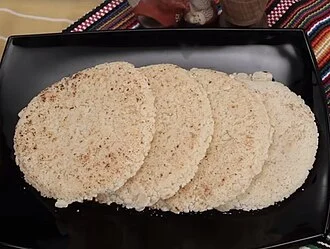
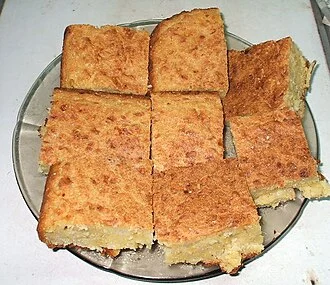
A savory corn pie with cheese and eggs. A sweet and creamy pumpkin and cornmeal dish. A gluten-free pancake made with starch and cheese. A dense cornbread made with cheese and onions. A hearty beef and vegetable soup.
Traditional Local Food
Asuncion (Paraguay)
Main course
Vegetarian
Chipa Guasu
CHEE-pah GWAH-soo
· Corn pie
Dessert
Vegetarian
Kivevé
kee-VEH-veh
· Pumpkin and cornmeal stew
Snack
Vegetarian
Mbeju
M'BEH-hoo
· Starch and cheese pancake
Bread
Vegetarian
Sopa Paraguaya
SOH-pah pah-rah-GWAH-yah
· Paraguayan cornbread
🥩
Soup
Meat
Soyo
SOY-oh
· Beef and vegetable broth