Explore Guides
SOUTH AMERICA / GUYANA
Triplandio Georgetown guide covers 4 travel guides across 14 areas, complete with hotel picks. Explore 16 self-guided walking tours in Georgetown with 20 POI, spanning 63.1 km in total. Get inspired by 5 local dishes, complete with recipes and our unique Food Flavour DNA graph.
Georgetown
City & Country Data Georgetown (Guyana)

Key travel data for Georgetown — local prices, safety, healthcare, local currency and essentials, curated by Triplandio.
🌍 Guyana
Tourists
86.4K/y
GDP/cap
$32.4k
Life Exp
70.3 yrs
Population
836.0K
Currency
GYD G$
Language
English
Payments
Cash only
Emergency
911
💰 Prices in Georgetown
Coffee
$3.88
Beer
$2.12
Lunch
$7.44
Groceries
$38.30/w
Taxi/km
$1.99
Transit
$3.57
Fuel
$1.07/l
Internet
$47.35/m
Salary
$1,919/m
Travel tipsGeorgetown (Guyana)

Quick tips
- Robbers follow cars from the airport — Critical
Gangs have followed cars from Cheddi Jagan International Airport and attacked passengers on arrival at their destination. Use a hotel-arranged taxi, keep windows closed and doors locked.
- Water taxis from Suriname are illegal — Critical
Crossing the Corentyne River from Suriname to Guyana by informal water taxi, known as “backtracking”, is illegal and can mean arrest, prison and deportation. Use only the scheduled ferry.
- Overstaying can mean jail — Critical
Guyana can arrest visitors who overstay: the penalty can be up to a year in prison, a fine of up to 50,000 Guyana dollars (about 250 US dollars) and deportation at your own cost.
- Pack your own bags — Critical
Drug offences in Guyana carry at least 3 years in tough prisons. Pack your luggage yourself and never carry a package for anyone; “free flight” offers are used to recruit drug couriers.
- No river boats after dark — Caution
Boats are a main way to travel in Guyana's interior. Use registered boat services with life jackets and never travel by boat after dark.
- Healthcare is very limited — Good to know
Medical facilities are very limited even in Georgetown and almost absent in the interior. Serious cases need evacuation, so take travel insurance that covers it.
- Do
- Book taxis through your hotel
- Use registered boats with life jackets
- Change money inside banks
- Get a yellow fever jab
- Take insurance with evacuation cover
- Don’t
- Hail taxis in the street
- Show off jewellery or phones
- Carry anything for anyone
- Take boats after dark
- Cross from Suriname by water taxi
Critical
Prison or heavy penalty possible
Scams & safety
- Areas where visitors are targeted — Critical
Robberies of foreigners have been reported at Stabroek Market, in Tiger Bay, Albouystown and Sophia, and in Buxton and Agricola on the edge of the city. Visit markets with a guide and avoid the other areas.
- Go to the Botanical Gardens in a group — Critical
Foreign visitors have been assaulted in Georgetown's Botanical Gardens. Go with an organised group, in daylight, and leave valuables at the hotel.
Laws & fines
- Violent crime is a real risk — Critical
Muggings in Guyana, sometimes with knives or guns, happen in daylight but more often at night, and target people who look wealthy. Leave jewellery at home and keep phones out of sight.
- Border areas are tense — Critical
Venezuela disputes its border with Guyana, and Suriname disputes the New River Triangle in the south-east. Organised crime is rising in these remote areas, so check with local authorities before going near them.
Caution
Fines, losses or injury possible
Scams & safety
- Travel advisory: Level 3 of 4 — Caution
Reconsider Travel — the U.S. State Department's rating for Guyana.
- Don't walk around after dark — Caution
Muggings in Georgetown are most common at night. Take a booked taxi even for short distances after sunset.
- Keep valuables locked away — Caution
Thieves in Georgetown take items left in hotel rooms, parked cars or unattended bags. Use the hotel safe for passports, cash and spare cards.
Getting around
- Avoid late-night airport drives — Caution
If possible, avoid travelling between Georgetown and Cheddi Jagan airport late at night or before dawn, when fatal crashes caused by erratic driving have occurred.
- Book taxis, don't hail them — Caution
Taxis from reputable companies, booked in advance or taken from official hotel ranks, are the safest way around Georgetown. Don't hail cars in the street.
Tipping & money
- Change money indoors — Caution
Exchange money inside a bank or licensed exchange office, not on the street, and use cash machines inside banks or shopping centres to avoid being targeted.
Health
- Check hotel fire exits — Caution
Fires have broken out in Guyanese hotels, and some have poor fire safety. Check the evacuation route when you arrive.
Outdoors & adventure
- Roads are dangerous at night — Caution
Guyana's roads have reckless drivers, poor lighting and potholes. Traffic drives on the left; avoid driving after dark and keep well away from speeding minibuses.
Good to know
Rules and useful facts
Laws & fines
- Avoid demonstrations — Good to know
Protests and political demonstrations happen occasionally across Guyana and can turn to unrest without notice. Stay well away.
- Same-sex relations are illegal — Good to know
Same-sex sexual activity is illegal in Guyana, although the law is rarely enforced and local support for LGBT+ rights is growing. Public displays of affection may attract negative attention.
Entry & visa
- Passport valid for 6 months — Good to know
Your passport must be valid for at least 6 months after the date you arrive in Guyana.
- 30-day visa-free stays — Good to know
Many visitors, including UK, US and Canadian citizens, don't need a visa for Guyana and can normally stay 30 days. One-month extensions are available from the immigration department.
- Declare restricted goods — Good to know
Guyana has strict customs rules; declare anything that may be prohibited or subject to duty when you arrive.
Health
- Ambulance number is 913 — Good to know
In Guyana, call 913 for an ambulance. Contact your insurer quickly if you are taken to hospital.
- Mosquito-borne diseases — Good to know
Mosquitoes in Guyana spread dengue, Zika, Oropouche virus and, in the interior, malaria. Use strong repellent, cover up at dusk and ask a travel clinic about malaria tablets.
- Get the yellow fever vaccine — Good to know
Yellow fever is a risk in Guyana. Get vaccinated at least 10 days before you travel; the certificate is also required if you arrive from a country with yellow fever.
- Drink bottled or treated water — Good to know
Don't drink tap water in Guyana. Stick to bottled or treated water, especially in the interior.
Outdoors & adventure
- Driving licence rules — Good to know
Visitors can drive in Guyana on their licence for a limited time; after 60 days you need a local foreign driving permit. Check your rental company's requirements.
- Flooding in the rainy seasons — Good to know
Guyana's coast lies below sea level, and drainage is poorly maintained. Heavy rain, mainly May–June and December–January, can flood roads and cut off areas.
Local tips
Local know-how
Getting around
- Cheddi Jagan airport (GEO) to the city — Local tip
Cheddi Jagan International Airport is at Timehri, about an hour's drive south of Georgetown. Arrange a pick-up through your hotel or a licensed taxi company.
- Ogle airport for interior flights — Local tip
Flights to Kaieteur Falls and the interior mostly leave from Eugene F. Correia International Airport at Ogle, on Georgetown's eastern edge, a short taxi ride from the centre.
Customs
- A multicultural mix — Local tip
Guyanese people have Indian, African, Indigenous, Chinese and Portuguese roots, and Hindu, Christian and Muslim festivals are all celebrated. English is the official language, alongside Guyanese Creole.
- Ask before photographing people — Local tip
In Indigenous (Amerindian) villages in Guyana's interior, ask permission before photographing people or homes, and follow your guide's lead on village customs.
- Shoes off at temples and mosques — Local tip
When visiting a Hindu temple (mandir) or a mosque in Guyana, take your shoes off at the entrance and dress modestly, covering shoulders and knees.
Tipping & money
- Guyana dollars and US dollars — Local tip
Guyana uses the Guyana dollar, but US dollars are widely accepted by hotels and tour operators. Carry small local notes for taxis and markets.
- Cards mainly in Georgetown — Local tip
Larger hotels and some restaurants in Georgetown take cards, but cash is needed almost everywhere else, especially in the interior.
- Tip about 10% in restaurants — Local tip
Check whether a service charge is on the bill. If not, about 10% is appreciated in restaurants, and guides on interior trips usually expect a tip.
Outdoors & adventure
- Book the interior with operators — Local tip
Trips to Kaieteur Falls, the rainforest and the Rupununi savannahs should be booked with established operators, who handle flights, boats and remote lodges.
Through the year
Festival or season Public holiday (exact date)
- Diwali
Oct–Nov 2026 · The Hindu festival of lights, with decorated vehicle parades and lamps across the coast; dates vary.
- Deepavali
Sun 8 Nov 2026 · Public holiday
- Short rainy season
Dec 2026–Jan 2027 · A second wet spell around the turn of the year; flooding is possible in Georgetown.
- Christmas Day
Fri 25 Dec 2026 · Public holiday
- Boxing Day
Sat 26 Dec 2026 · Public holiday
- New Year's Day
Fri 1 Jan 2027 · Public holiday
- Mashramani
Feb 2027 · Guyana's carnival-style Republic Day celebrations around 23 February, with costume parades in Georgetown.
- Mashramani (Republic Day)
Tue 23 Feb 2027 · Public holiday
- Phagwah
Mar 2027 · The Hindu spring festival of colours, when people throw coloured powder and water in the streets; dates vary.
- Rupununi Rodeo
Mar–Apr 2027 · Cowboys from the savannah ranches compete in Lethem over the Easter weekend.
- Good Friday
Fri 26 Mar 2027 · Public holiday
- Easter Monday
Mon 29 Mar 2027 · Public holiday
- Main rainy season
May–Jun 2027 · The heaviest rain of the year, with coastal flooding and muddy interior roads.
- Labor Day
Sat 1 May 2027 · Public holiday
- Arrival Day
Wed 5 May 2027 · Public holiday
- Eid al-Adha (tentative)
Mon 17 May 2027 · Public holiday
- Independence Day
Wed 26 May 2027 · Public holiday
- CARICOM Day
Mon 5 Jul 2027 · Public holiday
- Emancipation Day
Sun 1 Aug 2027 · Public holiday
- Youman-Nabi (tentative)
Sun 15 Aug 2027 · Public holiday
Sources: GOV.UK travel advice · U.S. State Dept · Google public holidays
Best time to visit Georgetown (Guyana)
Now (November) avg high: 30°C, wetter month, full season — expect crowds. Best months to walk: Oct & Sep.
Live Temp
…
~Day / Night Temp
30°C / 25°C
Sunrise / Sunset
5:41 / 17:32
Local time
16:03
Sea Temp
30°C
Best Months  Oct & Sep
J
Jan
F
Feb
M
Mar
A
Apr
M
May
J
Jun
J
Jul
A
Aug
S
Sep
O
Oct
N
Nov
 D
Dec
O
Oct
N
Nov
D
Dec
Check Georgetown hotels
Temperature
Average daytime high, month by month. Zero line marks freezing point.
Crowds
How busy it gets — traveller interest by month.
Sea temperature
Sea warmth for swimming, by month.
Rainfall
Rainy days to expect each month.
Sunshine
Hours of sun per day, by month.
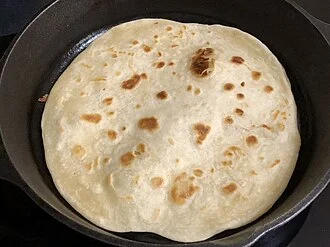
Rice dish with beans, meat, and vegetables. Flatbread stuffed with spiced split peas. Thick stew of root vegetables and coconut.
Traditional Local Food
Georgetown (Guyana)
🥩
Main course
Meat
Cook-Up Rice
kuk-up rice
· Rice and beans with meat
Snack
Vegetarian
Dhal Pouri
Dhal Puri
dahl poo-ree
· Stuffed flatbread with split peas
🐟
Main course
Fish & Seafood
Metemgee
meh-tem-gay
· Caribbean root vegetable stew