

Explore Guides
SOUTH AMERICA
Bolivia
Triplandio Bolivia guide covers 3 travel guides with 1 city across 6 areas, complete with hotel picks. Explore 11 self-guided walking tours in Bolivia with 19 POI, spanning 43.7 km in total. Get inspired by 4 local dishes, complete with recipes and our unique Food Flavour DNA graph.
Country Data Bolivia

Key travel data for Bolivia — safety, healthcare, local currency and essentials, curated by Triplandio.
🌍 Bolivia
Tourists
323.3K/y
GDP/cap
$5.1k
Life Exp
68.7 yrs
Population
12.6M
Currency
BOB Bs.
Language
Spanish
Payments
Cash only
Emergency
118
Travel tipsBolivia

Quick tips
- Any amount of drugs counts as trafficking — Critical
Under Bolivian law, carrying any amount of illegal drugs counts as trafficking, with a minimum sentence of 8 years in very poor prisons. Every departing flight passenger is searched, including by sniffer dogs.
- Don't cross roadblocks — Critical
Protests and roadblocks are frequent in Bolivia and a State of Emergency lets police detain people who don't comply. Never try to pass a blockade, and leave spare days in your plans.
- Beware of fake police — Critical
Criminals in Bolivia pose as police with fake uniforms and ID to search bags and steal. Real police can't search you on the street without a prosecutor's written order — never get into an unmarked car.
- Take altitude sickness seriously — Caution
La Paz sits at about 3,600 metres and the Salar de Uyuni at about the same height. Rest for the first days, drink water, avoid alcohol and descend if you feel very unwell.
- Get your entry stamp — Caution
Make sure your passport is stamped on arrival in Bolivia, and when entering overland, get stamps on both sides of the border. Without an entry stamp you'll be fined when leaving.
- Build spare days into your route — Good to know
Roadblocks, fuel shortages and rainy-season landslides regularly delay buses and road trips in Bolivia. Leave slack in your itinerary, especially before an international flight.
- Do
- Get your passport stamped
- Carry copies of passport and stamp
- Book taxis by phone or app
- Take your first days slowly at altitude
- Bring enough medicine for your trip
- Don’t
- Try to cross a roadblock
- Get into an unmarked police car
- Carry anything for anyone
- Pack coca leaves to take home
- Go on a prison tour
Critical
Prison or heavy penalty possible
Getting between cities
- Choose bus companies carefully — Critical
Long-distance bus crashes are common in Bolivia, and drivers work long hours. Choose companies with a good safety record, and keep documents and cards in a money belt on night buses.
- Direct buses from Copacabana — Critical
Travellers entering Bolivia overland, especially from Peru, Chile and Argentina, are targeted for express kidnappings. From Copacabana on Lake Titicaca, take a direct bus to La Paz.
Laws & fines
- Prison tours are illegal — Critical
Tours of Bolivian prisons, once sold to backpackers, are illegal and unsafe. There's no guarantee of your safety inside, so don't go.
- Coca leaves can't go home with you — Critical
Chewing coca leaves and drinking coca tea are legal in Bolivia, but coca is illegal in most other countries. Don't pack leaves, tea bags or sweets containing coca.
- Ayahuasca ceremonies carry real risks — Critical
Ayahuasca brews contain DMT (dimethyltryptamine), a powerful hallucinogen. Taking part isn't illegal in Bolivia, but people have become seriously ill or died, often far from medical help.
Outdoors & adventure
- Choose Death Road bike tours carefully — Critical
Mountain biking the so-called Death Road from La Paz to Coroico is popular but risky. Pick an established company and check the bikes, brakes, guide's first-aid kit and safety equipment.
- Avoid the Chapare region — Critical
Several governments, including the UK, advise against all but essential travel to the Chapare region of Cochabamba, including Villa Tunari and highways 4 and 24 through it.
Caution
Fines, losses or injury possible
Getting between cities
- Driving needs a 1949 permit — Caution
To drive in Bolivia you need a 1949 International Driving Permit (IDP) as well as your licence. Most roads are unpaved, and broken-down vehicles without lights are a hazard at night.
Laws & fines
- Avoid illegal bars — Caution
Legal bars in Bolivia close at 3:00. Police raid illegal after-hours bars, and anyone found there can be detained for questioning, especially if drugs are found.
Tipping & money
- Use cash machines inside banks — Caution
Crime has risen in Bolivia with the economic crisis. Withdraw cash inside banks or shopping centres by day, and keep money and cards in a money belt.
Outdoors & adventure
- No safety standards for tour operators — Caution
Bolivia has no official minimum standards for adventure tour operators. Get local advice, use reputable companies and check that your insurance covers each activity.
- Rainy-season landslides can strand you — Caution
From November to March, floods and landslides can close Bolivian mountain roads for days, stranding travellers in high, remote areas. Carry food, water and warm clothing, and check road status first.
- Check boats have life jackets — Caution
Boats on Lake Titicaca and on jungle river trips in Bolivia are often very basic. Check that life jackets are provided before you set off.
Good to know
Rules and useful facts
Getting between cities
- “Condicionado” bus tickets — Good to know
A bus ticket marked “condicionado” means the company can't guarantee reaching your destination because of roadblocks or fuel shortages. Ask before you buy.
- Small airports have little rescue cover — Good to know
Many Bolivian airports lack proper safety and rescue equipment, especially those outside the departmental capitals. Protest blockades can also cut roads to airports, so allow extra time.
Regions & seasons
- Altiplano: dry but freezing — Good to know
La Paz, Lake Titicaca and Uyuni are best from May to October, with sunny days but nights well below freezing. Bring warm layers for any trip.
- Lowlands: hot and humid — Good to know
Santa Cruz and the Amazon lowlands around Rurrenabaque are hot and humid, with heavy rain from November to March. Bring repellent.
Laws & fines
- Carry copies of passport and entry stamp — Good to know
Police and immigration officers in Bolivia carry out ID checks. Carry copies of your passport photo page and Bolivian entry stamp, and leave the original somewhere safe.
- Careful with cameras in coca areas — Good to know
People in coca-growing areas such as the Yungas can be suspicious of anyone with a camera or binoculars. Ask before photographing anyone.
Tipping & money
- Economic crisis: bring backup cash — Good to know
Bolivia is in an economic crisis with a shortage of US dollars, and exchange rates and card rules can change quickly. Bring some clean, undamaged US dollar notes as backup and check current advice.
Entry & visa
- Travel advisory: Level 2 of 4 — Good to know
Exercise increased caution — the U.S. State Department's rating for Bolivia.
- Passport valid 6 months, 2 blank pages — Good to know
Your passport should be valid for at least 6 months after you arrive in Bolivia and have at least two blank pages.
- 90 days a year for many visitors — Good to know
British and many other visitors can stay in Bolivia up to 90 days in a year without a visa. Border officials often stamp 30 days, but you can stay to 90 without a new stamp. Visa rules vary by nationality.
- Show your first hotel booking — Good to know
Bolivian border officials may ask to see proof of accommodation, such as a hotel or hostel booking with its address, at least for your first night.
- Crossing from Argentina — Good to know
Bolivia doesn't stamp passports at the Argentine border, but you must register your exit with Argentine immigration, which passes the information to Bolivia.
- Yellow fever certificate from risk countries — Good to know
If you arrive from a country listed as a yellow fever transmission risk, Bolivia requires proof of vaccination. Check the current list before you travel.
Health
- Call 118 for an ambulance — Good to know
Dial 118 in Bolivia and ask for an ambulance. Emergency help is slow or limited in remote areas, so use private clinics where you can.
- Private clinics need payment up front — Good to know
Public hospitals in Bolivia are overstretched and short of supplies. Private clinics in main cities work with international insurers but expect payment first.
- Bring all your medicines — Good to know
Some medicines are in short supply in Bolivia. Bring enough of your prescription medicine for the whole trip, together with the prescription.
- Mosquito-borne diseases in the lowlands — Good to know
Zika and Oropouche fever occur in Bolivia, especially in the Amazon and other lowlands. Use repellent, cover up and ask about yellow fever vaccination.
- Drink bottled or treated water — Good to know
Tap water in Bolivia isn't safe to drink. Use bottled, boiled or filtered water, and be careful with salads and ice in basic places.
Outdoors & adventure
- Fuel shortages strand drivers — Good to know
Regular petrol and diesel shortages in Bolivia cause long queues and can leave drivers stranded for days. If you drive, fill up whenever possible and allow extra time.
- Forest-fire smoke in the dry season — Good to know
Forest fires are common in southern and eastern Bolivia from May to October, and the smoke can reach as far as La Paz. On bad air days, wear a face mask or stay indoors.
Local tips
Local know-how
Getting between cities
- Domestic flights save long journeys — Local tip
Domestic flights link La Paz, Santa Cruz, Sucre, Cochabamba, Uyuni and Rurrenabaque. They avoid long bus journeys and roadblocks but can be cancelled at short notice.
Regions & seasons
- Valleys: the mild middle — Local tip
Sucre and Cochabamba sit lower than the Altiplano and have mild weather all year, a good place to adjust to altitude.
Customs
- Ask before photographing people — Local tip
Many Bolivians, especially Indigenous women in traditional dress (cholitas) and rural villagers, don't like being photographed without permission. Ask first and accept a no; some may ask for a small payment.
- Greet people formally — Local tip
Say “buenos días” or “buenas tardes” before asking anything in Bolivia, and use the polite “usted” form with strangers and older people.
- Respect Pachamama traditions — Local tip
Andean Bolivians make offerings to Pachamama (Mother Earth), such as a few drops of drink poured on the ground. Watch respectfully and join in only if invited.
Tipping & money
- Tip about 10% in tourist restaurants — Local tip
A tip of around 10% is appreciated in restaurants in tourist areas of Bolivia. Guides and drivers on multi-day tours also expect a tip at the end.
- Friendly bargaining at markets — Local tip
Haggling is normal at markets and craft stalls in Bolivia, such as La Paz's Witches' Market. Keep it friendly — the amounts matter more to sellers than to you.
Our Bolivia city guides
Pick a salt-flat tour company with a good safety record and pack warm clothes for freezing nights.
Say it locally
Bolivians are polite and formal: greet with “buenos días” and use “usted”; Aymara and Quechua are also widely spoken.
Through the year
Festival or season Public holiday (exact date)
- Rainy season
Nov 2026–Mar 2027 · Landslides and flooded roads in the lowlands and valleys, and more cancelled buses.
- All Souls' Day
Tue 2 Nov 2027 · Public holiday
- Christmas Day
Fri 25 Dec 2026 · Public holiday
- Alasitas fair
Jan 2027 · La Paz's fair of miniatures, bought to bring wishes true for the year, starts on 24 January.
- New Year's Day
Fri 1 Jan 2027 · Public holiday
- Plurinational State Foundation Day
Fri 22 Jan 2027 · Public holiday
- Oruro Carnival
Feb–Mar 2027 · Bolivia's greatest festival, a UNESCO-listed parade of devil dancers in Oruro; hotels fill and prices soar. Dates move with Easter.
- Carnival / Shrove Monday
Mon 8 Feb 2027 · Public holiday
- Carnival / Shrove Tuesday / Pancake Day
Tue 9 Feb 2027 · Public holiday
- Good Friday
Fri 26 Mar 2027 · Public holiday
- Dry season
May–Oct 2027 · Clear skies and the best trekking on the Altiplano, but freezing nights, especially June–August.
- Gran Poder in La Paz
May–Jun 2027 · A huge folk-dance parade through La Paz; streets close for a day. The date moves with Easter.
- Labor Day
Sat 1 May 2027 · Public holiday
- Corpus Christi
Thu 27 May 2027 · Public holiday
- Mother's Day (half-day)
Thu 27 May 2027 · Public holiday
- Aymara New Year Day
Mon 21 Jun 2027 · Public holiday
- Independence Day
Fri 6 Aug 2027 · Public holiday
Sources: GOV.UK travel advice · U.S. State Dept · Google public holidays
Traditional Local Food Bolivia
Main course
Meat
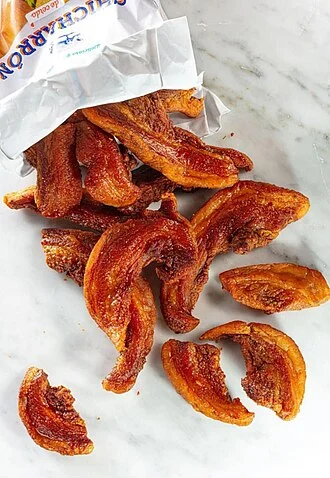
Llama Chicharrón
Chicharrón de llama
YAH-mah chee-chah-RON
· Crispy fried llama
Fried llama meat with crispy texture and rich flavor.
Open Llama Chicharrón recipe🌿
Dessert
Vegetarian
Tawa Tawas
TAH-wah TAH-wahs
· Fried dough pastries
Sweet deep-fried pastry, typically dusted with sugar.
Open Tawa Tawas recipe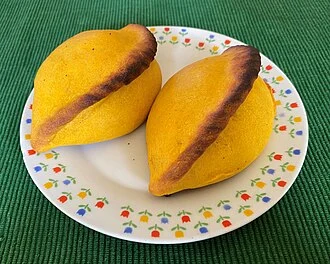
Snack
Meat
Salteñas de Uyuni
Sal-TEH-nyas de Oo-YOO-ni
· Uyuni meat pastries
Baked pastry filled with savory meat and vegetables.
Open Salteñas de Uyuni recipe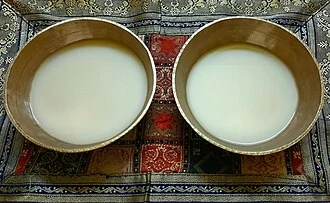
Drink
Vegan
Api Morado
AH-pee moh-rah-DOH
· Warm purple corn drink
Sweet, thick beverage made from purple corn.
Open Api Morado recipe