

Chinatown (唐人街)
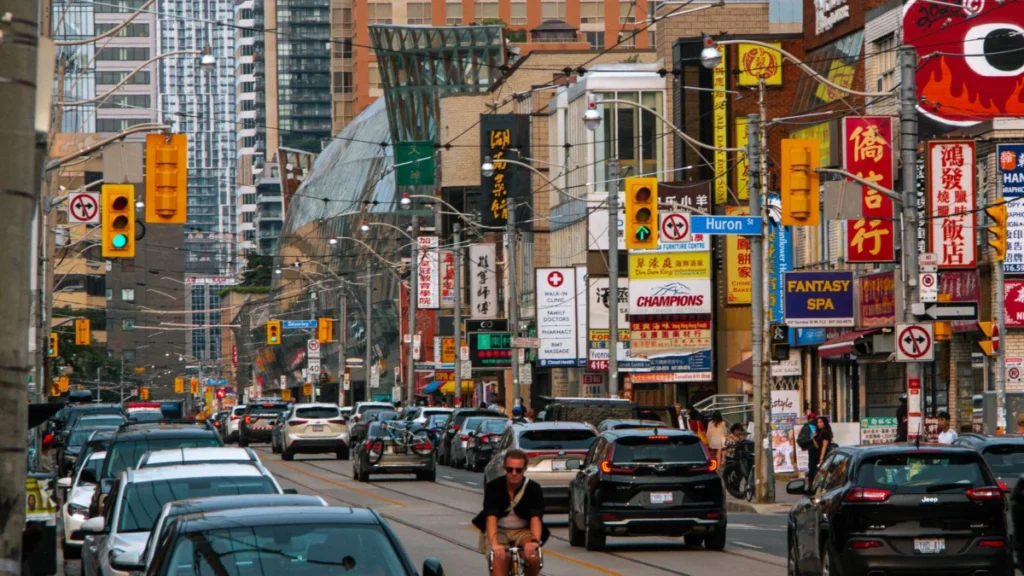
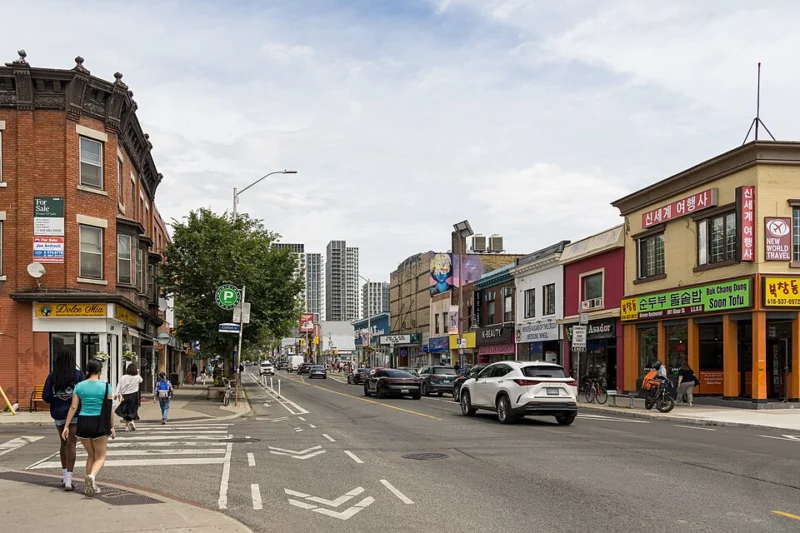
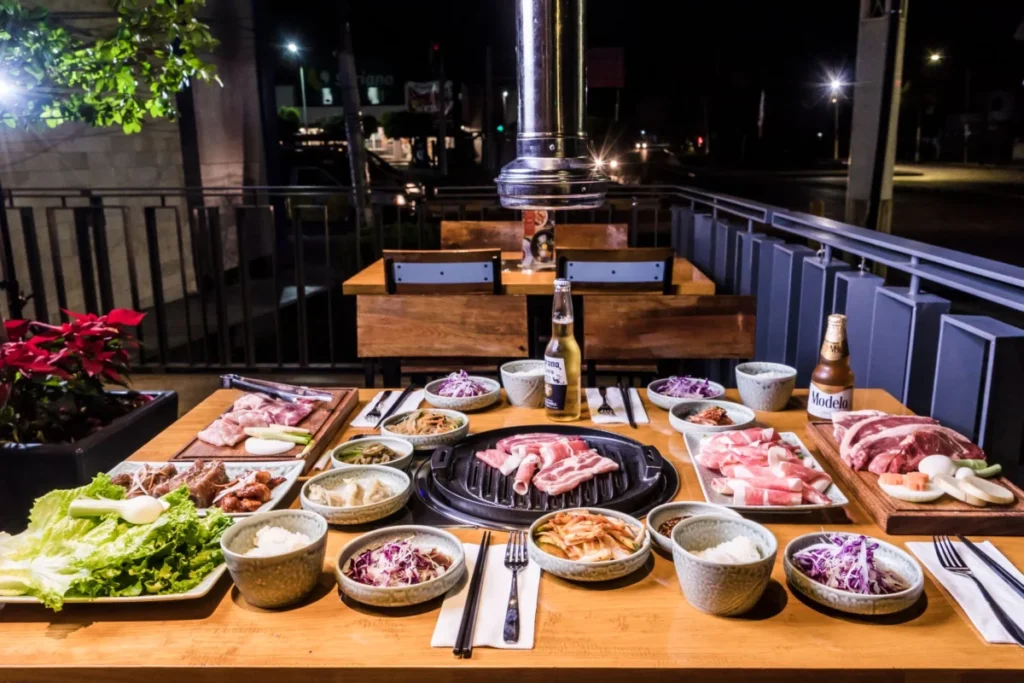
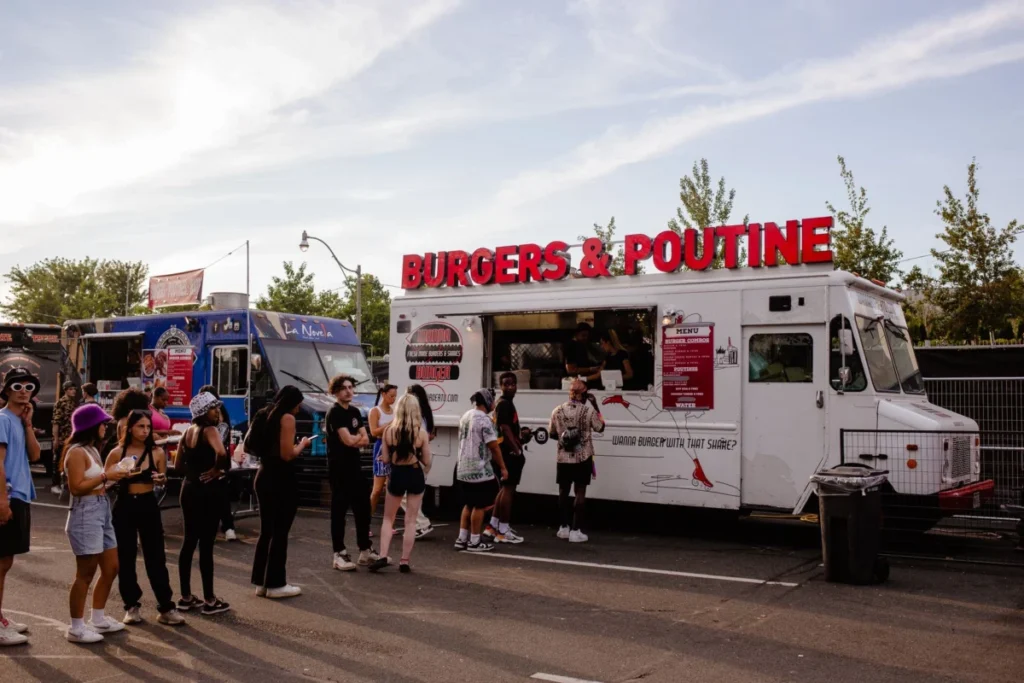
Chinatown is the cheapest way to eat well in downtown Toronto. The neighbourhood is centred on Spadina Avenue and Dundas Street West, where fruit stands spill onto the pavement, bakeries sell buns and noodle shops serve big plates at round shared tables. University students, Chinese families and older residents all shop here, so prices are set for locals, not visitors.
Your budget day starts and ends on foot. In the morning, walk through Grange Park to Spadina for a cheap noodle lunch, then cross into Kensington Market, where looking around the vintage shops, food counters and murals costs nothing. In the evening, come back to Spadina for late dim sum or blues at an old tavern.
The honest downside: it is busy, sometimes scruffy and noisy along the streetcar lines, and real hostels are in the surrounding streets rather than in Chinatown itself. Ask for a room at the back.
Local picks
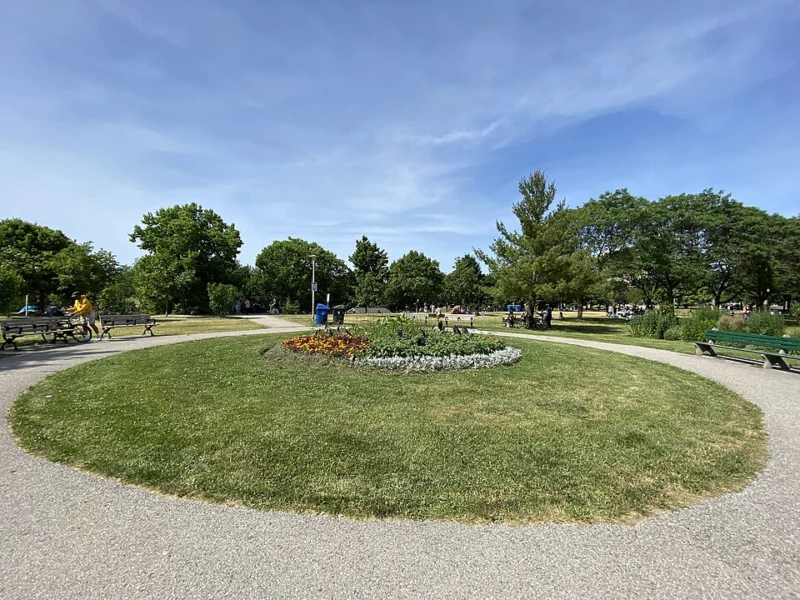
For Budget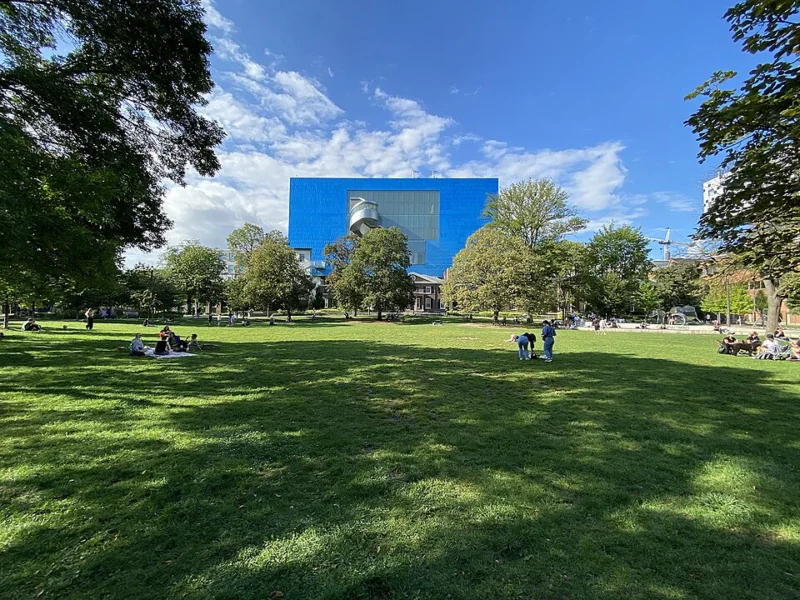 1Free morningGrange ParkStart in the park behind the Art Gallery of Ontario, once the front lawn of The Grange, a Georgian manor from 1817. It is free, green and calm before the office workers arrive.
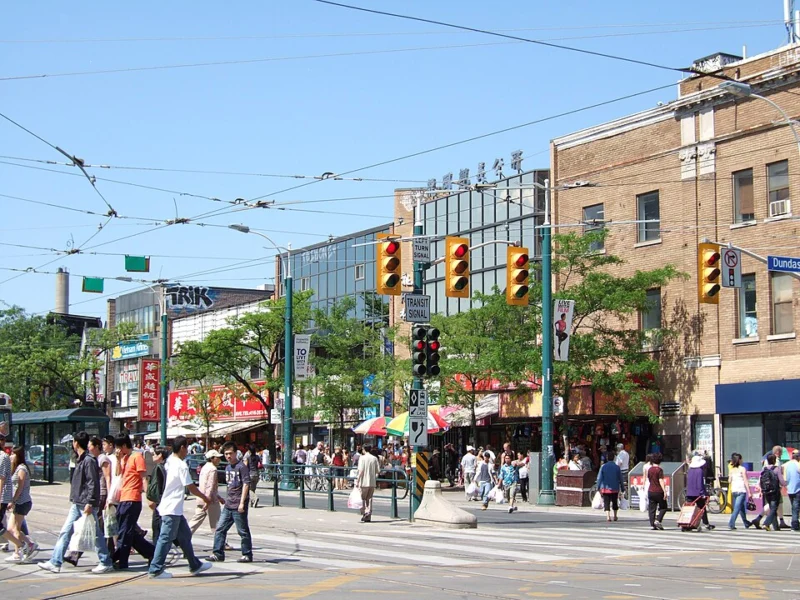 2Free walkSpadina and DundasThe heart of Chinatown, where the streetcar stops are topped with coiled dragons. Walk Dundas east of Spadina and look into the alleys for the long murals.
- 3Cheap lunchKing’s Noodle RestaurantA no-frills noodle house on Spadina with congee, chow mein and generous portions at big round tables. It is closed on Wednesdays.
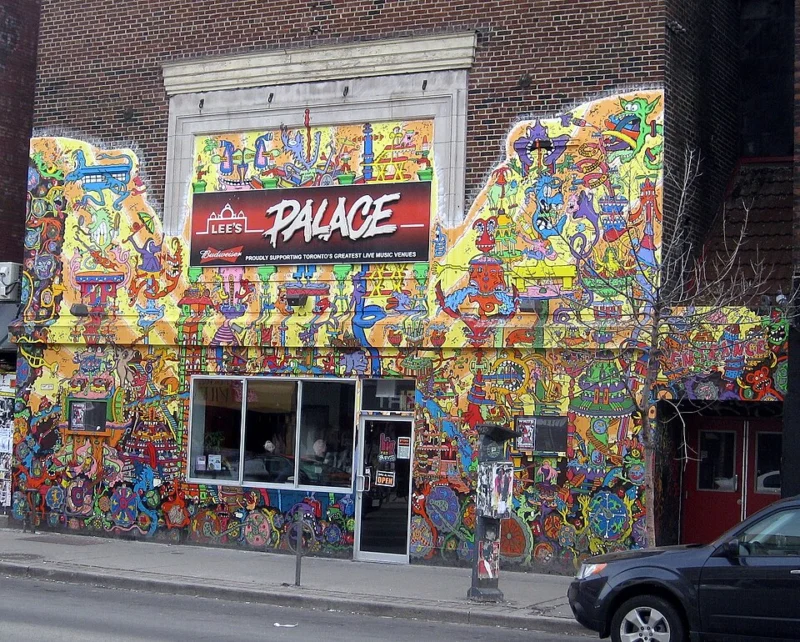
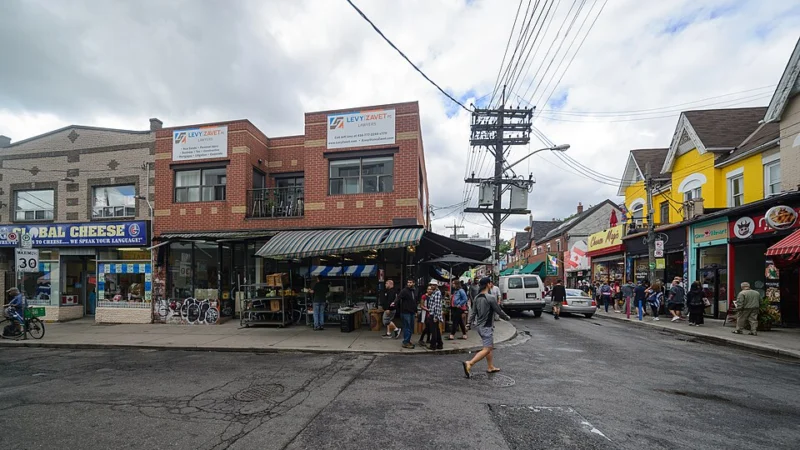 4Free wanderKensington MarketCross Spadina into Kensington, a National Historic Site full of vintage shops, cheese and spice stores and small food counters. Browsing is free, and Augusta Avenue and Kensington Avenue are the streets to walk.
- 5Free breakBellevue Square ParkThe little park in the middle of Kensington, with a bronze statue of actor Al Waxman from the TV show King of Kensington. A good bench for a coffee from one of the market cafés.
- 6Late dinnerRol San RestaurantA big dim sum hall on Spadina, popular with Chinese families at lunch and students late at night. Order several small plates and share them.
- 7EveningGrossman’s TavernA plain old tavern on Spadina that is one of the best-known blues bars in Canada. It is open until 2 am, so you can drop in after dinner across the street.
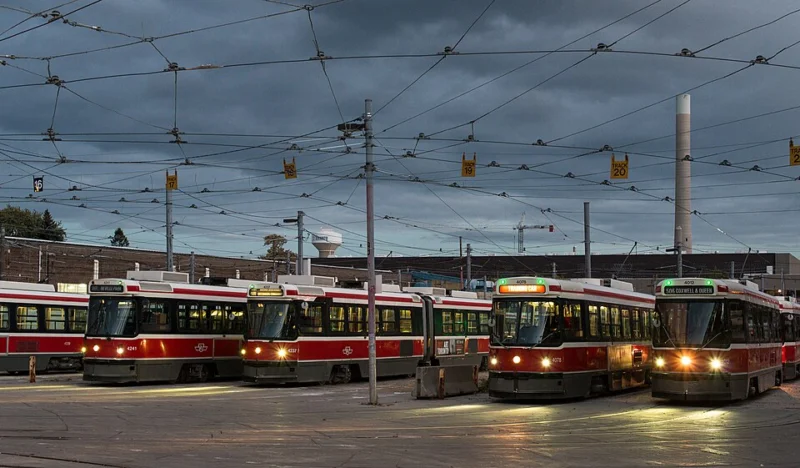
- Getting around510 Spadina · 505 DundasThe 510 Spadina streetcar runs on its own lane from Spadina station to Union Station, and the 505 Dundas crosses Chinatown east to west. St Patrick subway station on Line 1 is about a 10-minute walk east.
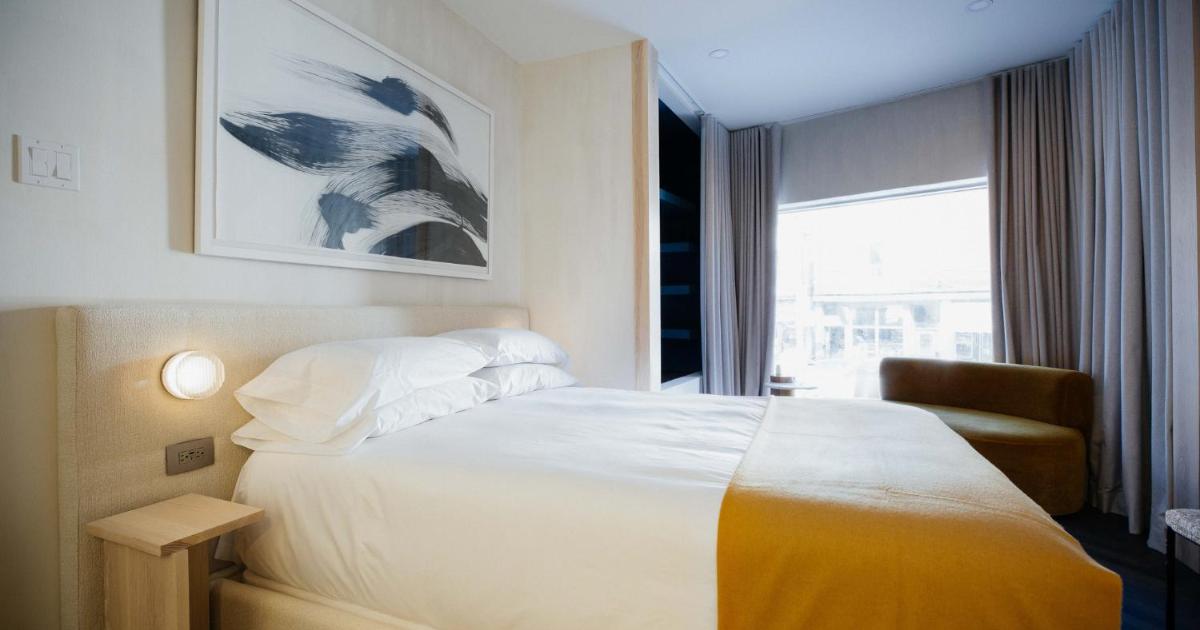
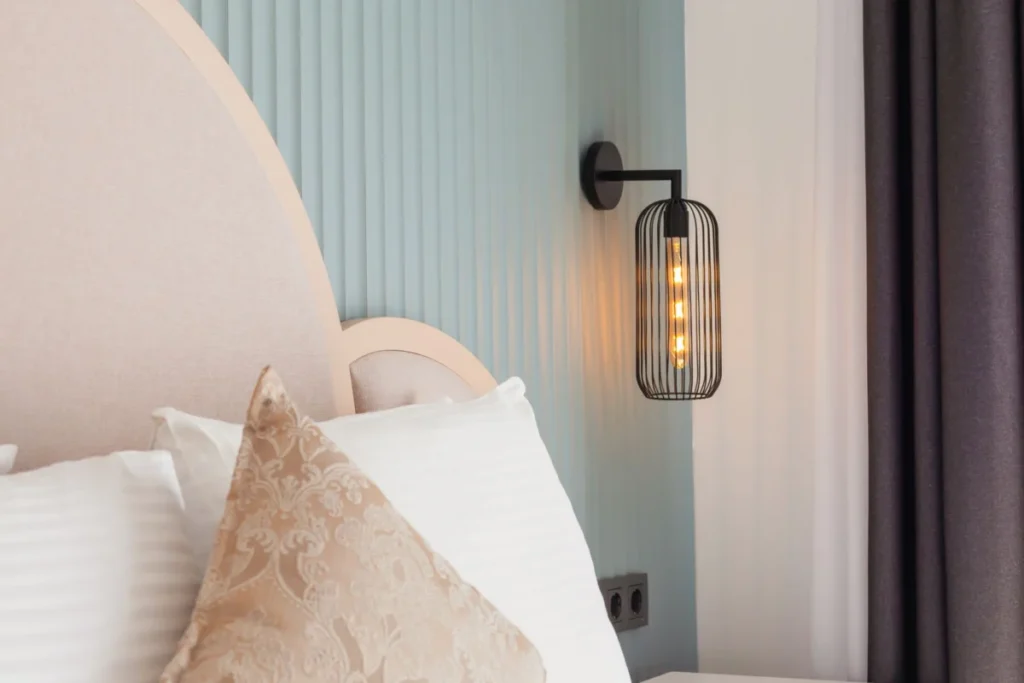
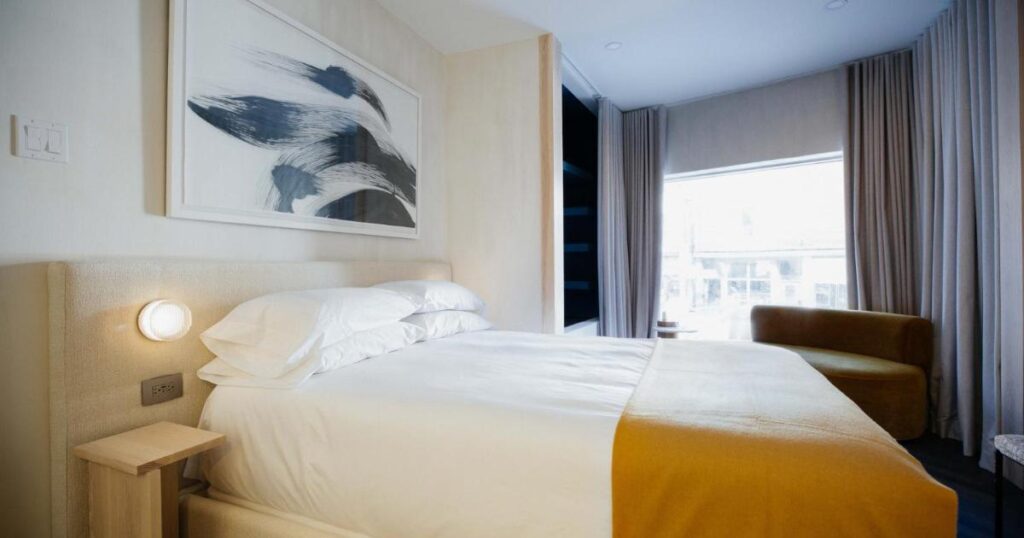
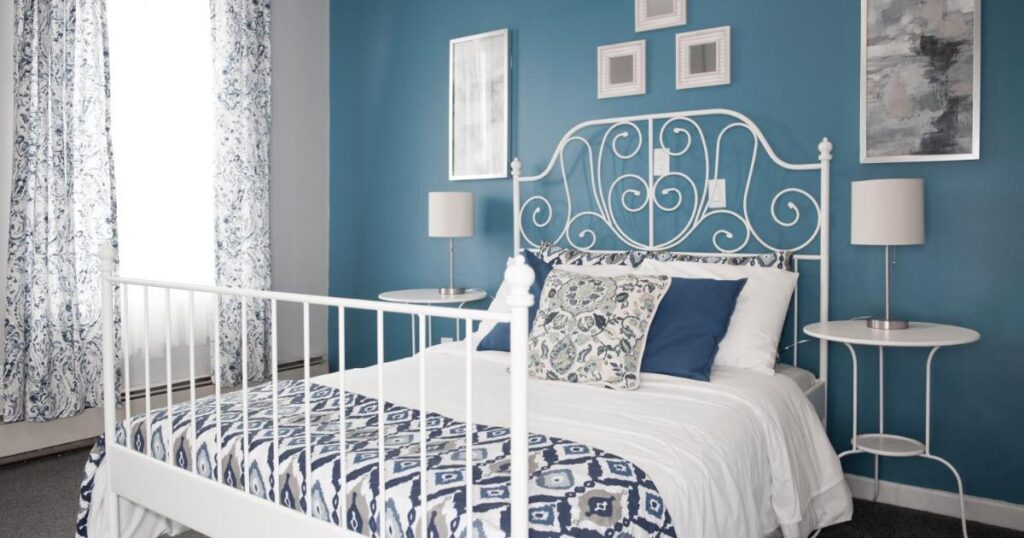
- Where to stayChinatown has a few small hotels on Spadina and hostels in the nearby streets towards Queen West and Kensington. Choose a room away from the streetcar tracks if you are a light sleeper, and compare hostel private rooms with simple hotels — the price gap is often small.
Did you know?
| Moved for City Hall Toronto’s first Chinatown was cleared in the 1950s and 1960s to build the new City Hall, and many businesses moved west to Spadina. |
| Once a Jewish district Before it became Chinatown, the area around Spadina was a Jewish neighbourhood. |
| Bilingual street signs Many street signs in Chinatown have shown both English and Chinese names since the 1970s. |
| One of the largest in North America Downtown Toronto’s Chinatown is one of the largest Chinatowns on the continent. |