Explore Guides
EUROPE / ICELAND
Triplandio Reykjavik guide covers 10 travel guides across 15 areas, complete with hotel picks. Explore 39 self-guided walking tours in Reykjavik with 70 POI, spanning 72.7 km in total. Get inspired by 19 local dishes, complete with recipes and our unique Food Flavour DNA graph.
Reykjavik
City & Country Data Reykjavik (Iceland)

Key travel data for Reykjavik — local prices, safety, healthcare, local currency and essentials, curated by Triplandio.
🌍 Iceland
Safety
100
Health
98
Lifestyle
69
Infra
81
Rank
#25
Score
63
Tourists
488K/y
GDP/cap
$98.3k
Life Exp
82.8 yrs
Population
392.4K
Currency
ISK kr
Language
Icelandic
Payments
Cashless
Emergency
112
💰 Prices in Reykjavik
Coffee
$7.00
Beer
$13.00
Lunch
$35.00
Groceries
$100.00/w
Taxi/km
$2.00
Transit
$3.00
Fuel
$2.00/l
Internet
$100.00/m
Salary
$3,000/m
Travel tipsReykjavik (Iceland)

Quick tips
- Sneaker waves kill on black-sand beaches — Critical
Sudden huge waves on Iceland's south-coast beaches, especially Reynisfjara, have swept visitors out to sea. Stay well back from the waterline and never turn your back on the ocean.
- Never walk on new lava — Critical
Volcanic eruptions on the Reykjanes peninsula near Grindavík have continued since 2023. Newly hardened lava can break without warning and gas near eruption sites can be deadly, so follow closures and official advice.
- Off-road driving is illegal — Caution
Driving off marked roads and tracks is strictly banned in Iceland because tyre tracks scar the fragile moss and soil for decades. Offenders face heavy fines, even for a short detour to a viewpoint.
- Wind can wreck your rental car — Caution
Strong winds in Iceland throw sand and volcanic ash that strip paint, and gusts can rip car doors off their hinges. Such damage is often not covered by standard insurance, so hold doors firmly and consider sand-and-ash cover.
- Register at the Schengen border — Good to know
Iceland is in the Schengen area, which is introducing the EU Entry/Exit System (EES). On your first visit you may need to give fingerprints and a photo at the border, so allow extra time.
- Do
- Check safetravel.is and road.is daily
- Shower naked before the pool
- Keep headlights on all the time
- Stay far back at Reynisfjara
- Pack waterproofs in any season
- Don’t
- Drive off-road
- Walk on new lava or glaciers alone
- Stop on the road for photos
- Trample the moss
- Take whale meat home
Critical
Prison or heavy penalty possible
Laws & fines
- Drug penalties are severe — Critical
Even small amounts of illegal drugs, including cannabis and khat, can bring a long jail sentence and heavy fines in Iceland; transit bags are scanned too.
Entry & visa
- 90 days in any 180 — Critical
Visitors from the UK, the USA and many other countries can stay visa-free in the Schengen area, including Iceland, for 90 days in any 180-day period. Overstaying can bring a ban of up to 3 years.
Outdoors & adventure
- Glaciers only with a guide — Critical
Glaciers in Iceland hide crevasses and ice caves can collapse. Walk on a glacier or enter an ice cave only with a certified guide.
- Boiling water at hot springs — Critical
Water and mud in Iceland's geothermal areas can be close to boiling, and the crust near vents is thin. Stay on paths and behind ropes, and test before bathing in natural pools.
Caution
Fines, losses or injury possible
Scams & safety
- Pay for parking downtown — Caution
Street parking in central Reykjavík is paid in zones, usually through a parking app or a machine, and wardens issue fines quickly. Check the signs before leaving your car.
- Fireworks on New Year's Eve — Caution
On New Year's Eve, people all over Reykjavík set off their own fireworks, often close to crowds. Keep your distance, and wear the safety glasses sold with the fireworks if you join in.
Laws & fines
- Strict drink-drive limit — Caution
Iceland's drink-driving limit is very low, and even a small drink can put you over it. The same law applies to e-scooters: riding one after drinking can mean a fine or charges.
- Headlights on all year — Caution
Dipped headlights must be on at all times when driving in Iceland, day and night, summer and winter, and forgetting them can mean a fine.
- Speed limits are low — Caution
The usual limits in Iceland are 90 km/h on paved roads, 80 km/h on gravel and 50 km/h in towns. Speed cameras are common and fines can be steep.
- No smoking or vaping indoors — Caution
Smoking and using e-cigarettes are banned in Icelandic restaurants, bars, public transport and public buildings, with fines for breaking the rule.
- Don't take whale meat home — Caution
Whale meat is served in some Icelandic restaurants, but importing whale products into the UK and the EU is illegal and can mean a fine or prison.
Entry & visa
- No meat or milk products — Caution
You cannot bring meat, milk or products containing them into Iceland, apart from a few exceptions such as baby food and medical diets.
Health
- Dress for the cold, all year — Caution
Weather in Iceland can turn from sunshine to freezing rain and gales within hours, even in summer. Pack waterproofs and warm layers for any walk.
Outdoors & adventure
- Gravel roads and one-lane bridges — Caution
Some Icelandic main roads are gravel, and many bridges are single-lane — the first car to reach it has priority. Slow down on loose surfaces, where rollovers are common.
- F-roads need a 4x4 — Caution
Highland roads marked F are open only for part of the summer and need a four-wheel-drive vehicle. Cross rivers very slowly (5–10 km/h), as water levels can change within a day.
- Don't stop on the road for photos — Caution
Stopping on the carriageway to photograph views or the northern lights causes serious crashes in Iceland. Pull fully into a parking area first.
Good to know
Rules and useful facts
Scams & safety
- Travel advisory: Level 1 of 4 — Good to know
Exercise normal precautions — the U.S. State Department's rating for Iceland.
- Late nights around downtown bars — Good to know
Crime in Reykjavík is low, but petty theft and drunken, antisocial behaviour happen around the downtown bars on Laugavegur and nearby streets late at weekends. Keep phones and wallets secure.
- Check the Blue Lagoon before you go — Good to know
The Blue Lagoon lies on the Reykjanes peninsula near the recent eruptions and has closed at short notice. Check its status and the official eruption advice on the day of your visit.
Getting around
- Taxis are very expensive — Good to know
A taxi from Keflavík airport to Reykjavík costs many times the bus fare. Within the city, taxis are metered and reliable but pricey.
Tipping & money
- You need a PIN for petrol — Good to know
Many Icelandic petrol stations are unstaffed and pumps only accept a card with a PIN (personal identification number). If your card doesn't work, buy a prepaid fuel card in a staffed station.
- Buy alcohol at the state shop — Good to know
Beer, wine and spirits are sold in the state-run Vínbúðin shops, which have limited opening hours; supermarkets only sell very weak beer. Alcohol in bars is expensive.
Entry & visa
- Passport rules for Schengen — Good to know
Your passport must have been issued less than 10 years before you arrive in Iceland and be valid for at least 3 months after you plan to leave the Schengen area.
- Declare cash over €10,000 — Good to know
You must declare cash worth 10,000 euros or more when entering or leaving Iceland.
Health
- Tap water is excellent — Good to know
Cold tap water in Iceland is some of the cleanest in the world and free to drink. Hot water smells of sulphur because it comes from geothermal sources — it is safe.
- Emergencies: call 112 — Good to know
Dial 112 in Iceland for an ambulance, police or rescue. The free 112 Iceland app lets you send your location and check in on remote trips.
- GHIC and EHIC accepted — Good to know
UK visitors can use a Global Health Insurance Card (GHIC) or European Health Insurance Card (EHIC) for necessary state care in Iceland, but you still need travel insurance for rescue and repatriation.
Outdoors & adventure
- Check conditions every morning — Good to know
Before driving or hiking in Iceland, check the weather and road conditions with the Icelandic Met Office and the Road Administration, and leave a travel plan on the Safe Travel Iceland website.
Local tips
Local know-how
Getting around
- Keflavík (KEF) → Reykjavík — Local tip
Keflavík International Airport is about 50 km from Reykjavík. Airport buses such as Flybus and Airport Direct take about 45–50 minutes; many offer hotel drop-offs for an extra charge.
- Walk the centre, bus beyond — Local tip
Central Reykjavík is compact and easy to walk. Yellow Strætó city buses cover the suburbs and pools; pay with the Klappið app or a bank card on board where available.
- Tours pick up from bus stops — Local tip
Many day tours from Reykjavík collect guests from numbered pick-up stops rather than hotel doors, as big coaches are banned from the old centre. Check your stop the night before.
Customs
- Shower naked before swimming — Local tip
At Icelandic swimming pools and many hot springs you must shower without your swimsuit and wash thoroughly before getting in. Staff enforce it, and signs show which areas to wash.
- Stay off the moss — Local tip
Iceland's thick moss takes decades to recover once trampled. Keep to marked paths and don't build stone cairns or move rocks.
- Take shoes off indoors — Local tip
Icelanders take their shoes off when entering a home, and many guesthouses ask you to do the same.
Tipping & money
- No need to tip — Local tip
Service is included in Icelandic prices and tipping is not expected. Leaving a little extra for a great guide or meal is welcome but optional.
- Cards work almost everywhere — Local tip
Iceland is close to cashless: cards and phone payments are accepted almost everywhere, even for small amounts, so you rarely need Icelandic krónur in cash.
Say it locally
Almost everyone speaks excellent English, but a “takk” (thanks) is always appreciated.
Through the year
Festival or season Public holiday (exact date)
- Northern lights season
Sep 2026–Apr 2027 · The aurora can be seen on clear, dark nights from about September to April; forecasts are published by the Icelandic Met Office.
- Short winter days
Nov 2026–Feb 2027 · In December Reykjavík gets only about four to five hours of daylight; storms can close roads, including parts of the Ring Road.
- Iceland Airwaves
Nov 2026 · The music festival fills Reykjavík's venues and hotels in early November.
- Christmas season
Dec 2026 · From 12 December the 13 Yule Lads of Icelandic folklore arrive one by one; many shops and restaurants close on 24–26 December.
- Christmas Eve (half-day)
Thu 24 Dec 2026 · Public holiday
- Christmas Day
Fri 25 Dec 2026 · Public holiday
- Second Day of Christmas
Sat 26 Dec 2026 · Public holiday
- New Year's Eve (half-day)
Thu 31 Dec 2026 · Public holiday
- Þorrablót
Jan–Feb 2027 · Midwinter feasts of traditional preserved foods such as fermented shark; some restaurants serve special menus.
- New Year's Day
Fri 1 Jan 2027 · Public holiday
- Maundy Thursday
Thu 25 Mar 2027 · Public holiday
- Good Friday
Fri 26 Mar 2027 · Public holiday
- Easter Sunday
Sun 28 Mar 2027 · Public holiday
- Easter Monday
Mon 29 Mar 2027 · Public holiday
- First Day of Summer
Thu 22 Apr 2027 · Public holiday
- Labour Day
Sat 1 May 2027 · Public holiday
- Ascension Day
Thu 6 May 2027 · Public holiday
- Whit Sunday
Sun 16 May 2027 · Public holiday
- Whit Monday
Mon 17 May 2027 · Public holiday
- Midnight sun
Jun–Jul 2027 · Around the summer solstice it barely gets dark; bring an eye mask for sleeping.
- Icelandic Republic Day
Thu 17 Jun 2027 · Public holiday
- Highland roads open
Jul–Aug 2027 · Most F-roads into the interior open from about late June or July until September, depending on snow; peak season prices apply.
- Pride and Culture Night
Aug 2027 · Reykjavík Pride in early August and Culture Night (Menningarnótt) in late August bring huge crowds and street closures to the centre.
- Commerce Day
Mon 2 Aug 2027 · Public holiday
Sources: GOV.UK travel advice · U.S. State Dept · Google public holidays
Best time to visit Reykjavik (Iceland)
Now (November) avg high: 3°C, wetter month, quiet, fewer crowds. Best months to walk: Mar & Apr.
Live Temp
…
~Day / Night Temp
3°C / -1°C
Sunrise / Sunset
9:34 / 16:49
Local time
19:29
Sea Temp
6°C
Best Months  Mar & Apr
J
Jan
F
Feb
M
Mar
A
Apr
M
May
J
Jun
J
Jul
A
Aug
S
Sep
O
Oct
N
Nov
 D
Dec
A
Apr
M
May
J
Jun
J
Jul
A
Aug
S
Sep
O
Oct
N
Nov
D
Dec
Check Reykjavik hotels
Temperature
Average daytime high, month by month. Zero line marks freezing point.
Crowds
How busy it gets — traveller interest by month.
Sea temperature
Sea warmth for swimming, by month.
Rainfall
Rainy days to expect each month.
Sunshine
Hours of sun per day, by month.
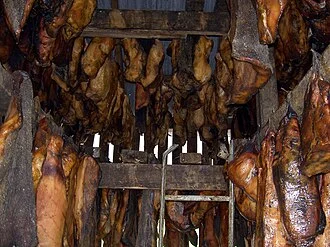
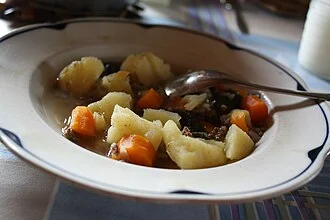
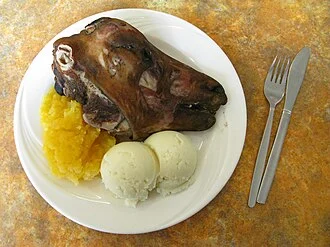
Icelandic fermented shark, traditionally cured and hung. Traditional Icelandic flatbread sandwich with smoked lamb. Simple yet flavorful grilled lamb dish. Hearty soup made with lamb and root vegetables. Traditional Icelandic head cheese or pressed mutton. A dish made of mashed fish and potatoes in a creamy sauce. Tender lamb roasted with herbs and spices. Boiled sheep's head, traditionally served with mashed root vegetables. Traditional Icelandic cultured dairy product similar to yogurt.
Traditional Local Food
Reykjavik (Iceland)
Snack
Fish & Seafood
Fermented Shark
Hákarl
HAU-karl
🥩
Snack
Meat
Flatkaka with Smoked Lamb
Flatkaka með Hangikjöt
FLAHT-kah-kah meth HANG-ee-kyoet
🥩
Main course
Meat
Grilled Lamb
Grillað Lamb
GRILL-ath lamb
Soup
Meat
Icelandic Lamb Soup
Kjötsúpa
KYER-tuh-soo-pah
Snack
Meat
Meat Soup
Sviðasulta
SVEETH-a-soolta
 Main course
Fish & Seafood
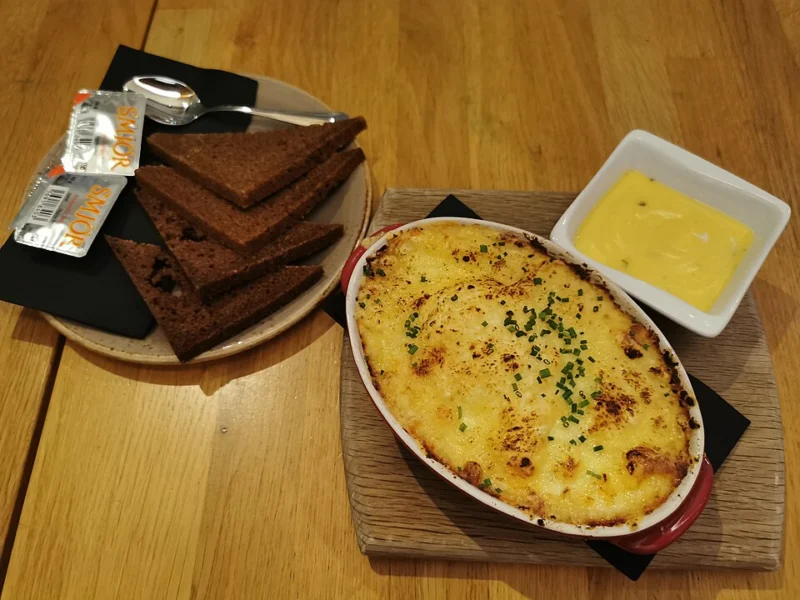
Plokkfiskur
PLOK-fis-kur
 Main course
Meat
Roasted Icelandic Lamb
Hangiálegg
HANG-gee-ah-leg
Main course
Meat
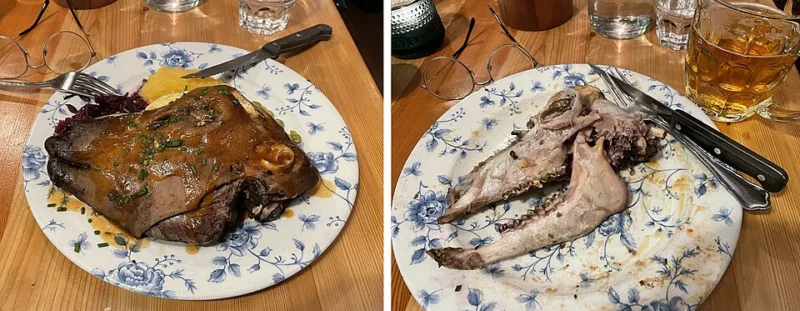
Sheep's Head
Svið
SVEE
Snack
Vegetarian
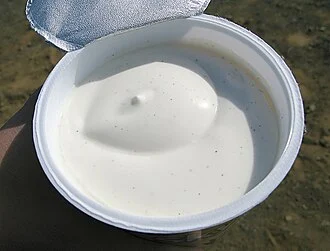
Skyr
SKEER