
Written for travellers who read the plaques — the oldest churches, historic inns and hotels in four outer districts. Updated 2026.

Top Neighbourhoods in Munich for History Lovers

Where to stay in Munich if history is why you are going — old village churches, Baroque villas and riverside inns beyond the tourist centre.

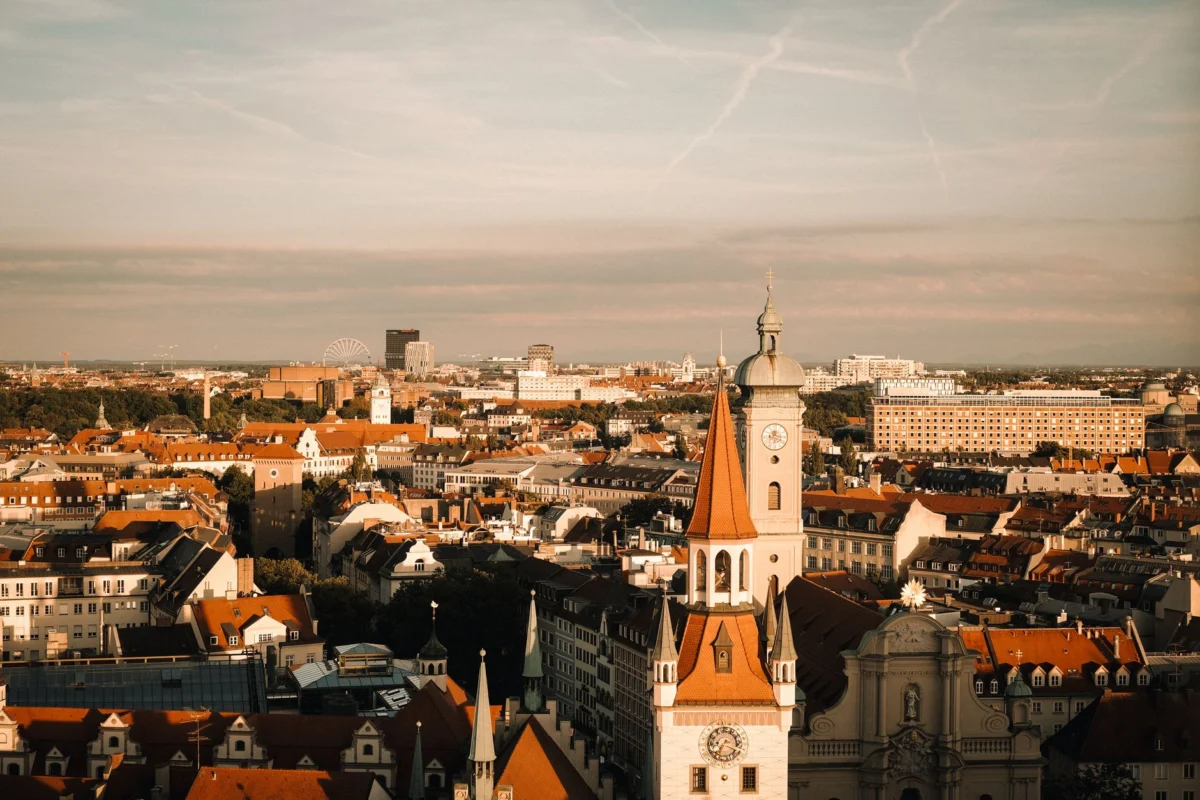
Iconic Münchner skyline with a historical touch
At a Glance
Country Germany
City Munich
Day / Night 8° / 2°
Local Time 5:31
November — Now Peak season
Best Months Oct · May

Munich's Altstadt gets the crowds, but the city's longest stories are told in its old villages. Moosach has the oldest church still standing in Munich, Thalkirchen grew around a medieval pilgrimage church on the Isar, Harlaching keeps a Rococo chapel above the river and Solln a 15th-century village church. This guide picks those four districts for history lovers, with a walk, an old inn for dinner and a hotel in each — and every one is on a direct U-Bahn, S-Bahn or tram line to Marienplatz.

Top Munich stays for history lovers

Best overall
⭐ 9.0
Gutshotel Menterschwaige - Heritage Boutique Hotel with Timless Elegance

Gutshotel Menterschwaige - Heritage Boutique Hotel with Timless Elegance

Rooms at the Gutshof Menterschwaige, a listed estate on the high bank of the Isar whose history goes back to a dairy farm first recorded around 1012. King Ludwig I held artists’ festivals here, and the beer garden is still downstairs.

Smart choice
⭐ 8.3
Leonardo Hotel Munich City North

Leonardo Hotel Munich City North

A modern hotel on Dachauer Straße, a few minutes’ walk from Alte St. Martin, the oldest church still standing in Munich, and the Pelkovenschlössl. Moosach station is close, with the U3 running straight to Odeonsplatz and Marienplatz.

Top pick
⭐ 8.8
NYX Hotel Munich by Leonardo Hotels

NYX Hotel Munich by Leonardo Hotels

A modern hotel on Hofmannstraße in Obersendling, about 15 minutes’ walk above the old village of Thalkirchen. It is a good base for the Isar, the Asam-Schlössl and the old pilgrimage church, with trains to the centre nearby.

Which chapter of Munich do you want to live in?

Medieval village churches, a Baroque painter’s villa, royal riverside inns or a 1920s model estate — pick your era.

Best choice: Thalkirchen

Best for: Isar villages & Baroque

Best choice: Harlaching

Best for: Royal inns on the river

Best choice: Solln

Best for: Village church & villas

Best choice: Moosach

Best for: Oldest church in Munich

Best hotels in Munich for history lovers

From a heritage estate on the Isar cliffs to practical hotels on a direct line to the Altstadt.

Leonardo Hotel Munich City North
Smart choice
⭐ 8.3 Very Good
3536 reviews

Leonardo Hotel Munich City North

Moosach • Modern • By the old village core

A modern hotel on Dachauer Straße, a few minutes’ walk from Alte St. Martin, the oldest church still standing in Munich, and the Pelkovenschlössl. Moosach station is close, with the U3 running straight to Odeonsplatz and Marienplatz.

  • Walk to Munich’s oldest church
  • Near Moosach U-Bahn and S-Bahn
  • Modern rooms
NYX Hotel Munich by Leonardo Hotels
Top pick
⭐ 8.8 Excellent
7506 reviews

NYX Hotel Munich by Leonardo Hotels

Obersendling • Modern • 15 minutes’ walk to Thalkirchen

A modern hotel on Hofmannstraße in Obersendling, about 15 minutes’ walk above the old village of Thalkirchen. It is a good base for the Isar, the Asam-Schlössl and the old pilgrimage church, with trains to the centre nearby.

  • Modern design hotel
  • Walk down to old Thalkirchen
  • Trains to the centre nearby
Hotel Ludwig
Walkable area
⭐ 8.6 Excellent
896 reviews

Hotel Ludwig

Moosach • Hotel • West of the old village

A hotel in the west of Moosach, around 15 minutes’ walk from the old village core with its medieval church, the Pelkovenschlössl and the Alter Wirt.

  • Walk to old Moosach
  • Quiet residential area
  • Near Moosach station
Pension Prinz
Editor’s choice
⭐ 9.7 Exceptional
228 reviews

Pension Prinz

Solln • 3-star guesthouse • Near Solln station

A family-run guesthouse on Ascholdingerstraße, a 5-minute walk from Solln station and about 15 minutes by S-Bahn from central Munich. Rooms are country-style, there is a summer terrace and a garden, and the breakfast with home-made jams is rated exceptional by guests. It sits on a quiet residential street in Solln, so plan on the train for the Altstadt.

  • 5 minutes from Solln station
  • Summer terrace and garden
  • Home-made breakfast
WunderLocke Munich
Premium stay
⭐ 8.4 Excellent
9002 reviews

WunderLocke Munich

Obersendling • Serviced apartments • Gmunder Straße

Serviced apartments on Gmunder Straße in Obersendling, with kitchens for longer stays. Old Thalkirchen and the Isar are a 20-minute walk downhill.

  • Apartments with kitchens
  • Good for longer stays
  • Walk down to the Isar
Hotel Wetterstein
Smart choice
⭐ 8.2 Very Good
3554 reviews

Hotel Wetterstein

Giesing • Near Wettersteinplatz • Grünwalder Straße

A hotel on Grünwalder Straße by Wettersteinplatz in Giesing, north of Harlaching. The U-Bahn to the centre is close, and St. Anna and the Isar high bank are a 20-minute walk south.

  • Near Wettersteinplatz U-Bahn
  • Walk to the Isar high bank
  • Between Giesing and Harlaching

How we choose

We pick hotels by what a history lover needs: a historic building where there is one, a short walk to the old village core and a direct line to the museums in the centre. Then we check guest ratings.

Best areas in Munich for history lovers

Four old villages that Munich swallowed — each with a church, an inn and a story you can walk in an afternoon.

Thalkirchen

Thalkirchen means the church in the valley, and the name still fits. The old village sits on the Isar floodplain around St. Maria Thalkirchen, a pilgrimage church whose oldest parts date from the 13th century, with the steep river terrace behind it. Today it is a green, quiet corner of the city where Munich families come to cycle, swim and walk along the river.

For a history lover the walk is short and dense. Start at the church, cross to the river, then follow the old timber-raft canal to the Floßlände, the last landing stage of the Isar rafts. The Baroque villa of painter Cosmas Damian Asam stands a few steps away and still serves dinner.

The honest catch: this is not where Munich’s big museums are. You will ride the U3 into the Altstadt for the Residenz and the Frauenkirche, though it is a direct line from Thalkirchen station.

Local picks

For Culture & History
  • 1
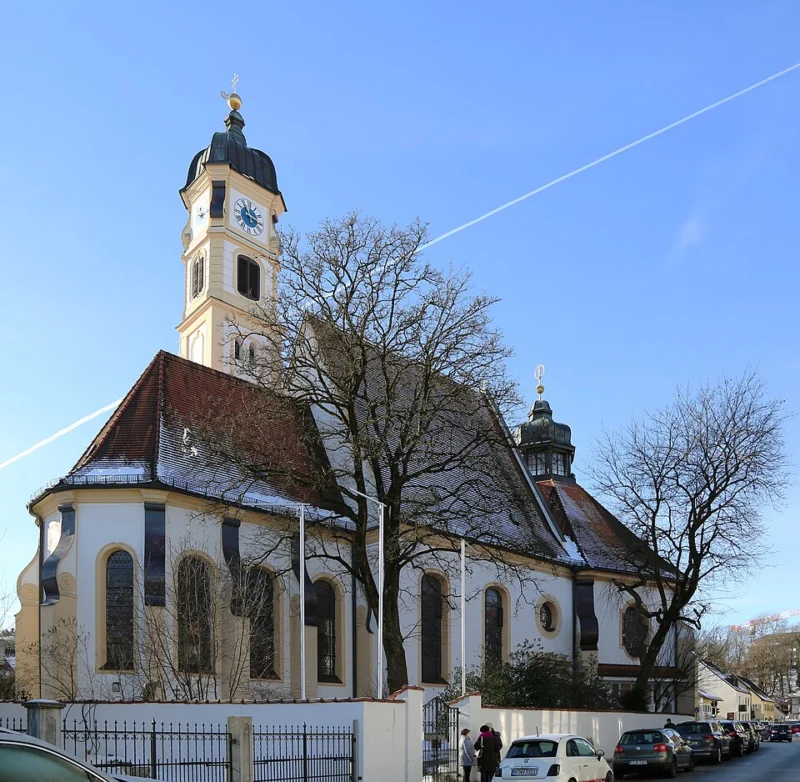
    MorningSt. Maria ThalkirchenBegin at the old pilgrimage church on Fraunbergplatz, built on the first dry rise above the Isar floodplain. The Gothic church was remodelled in Baroque style in 1695–98, and its late-Gothic altar of the Virgin dates from around 1482.
  • 2
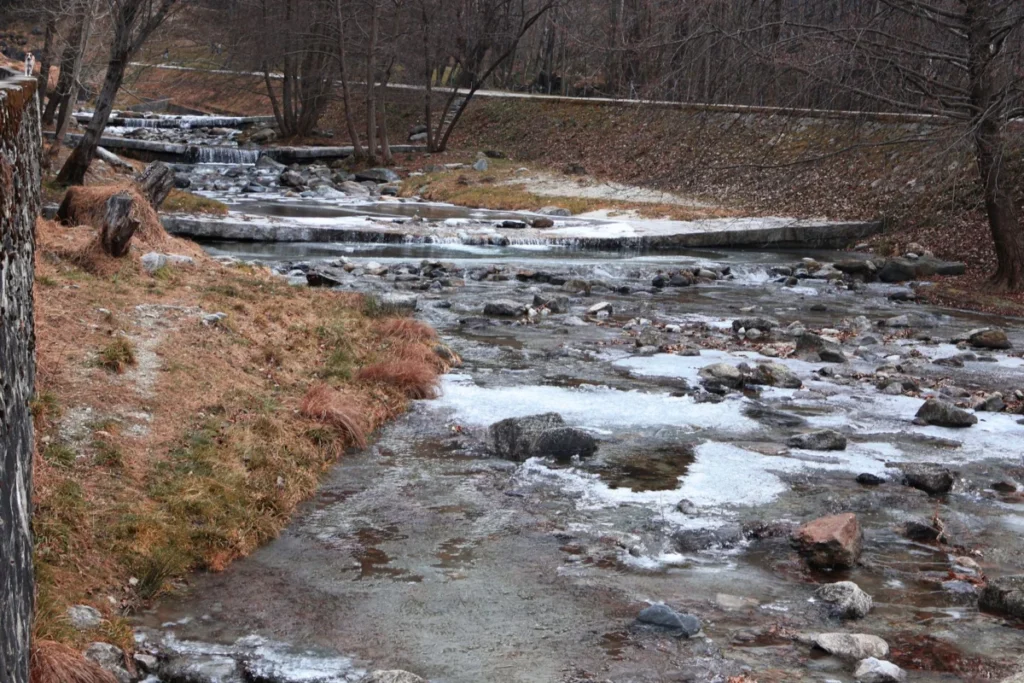
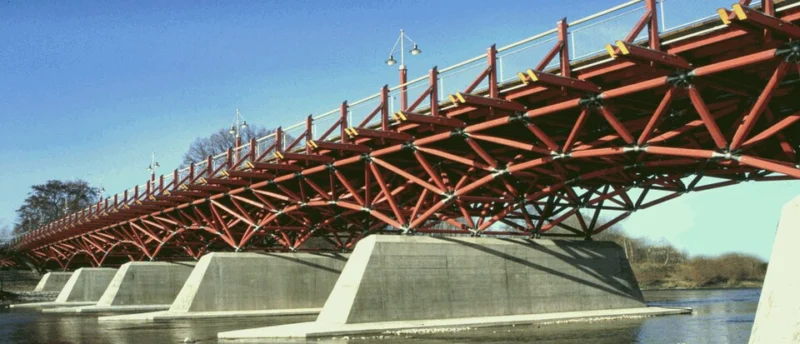
    River viewThalkirchner BrückeWalk east to the bridge for the view up and down the renaturalised Isar, with gravel banks where Munich swims in summer. The zoo’s river entrance is just across.
  • 3
    Hidden historyFloßländeFollow the river south to the end of the raft canal. This landing stage was built in 1899 to replace the old raft harbours in the city, and in summer party rafts from upriver still tie up here.
  • 4
    DinnerAsam-SchlösslCosmas Damian Asam rebuilt this country house as his own home from 1724 and painted its façade. It is now a restaurant with a beer garden; it opens in the late afternoon on weekdays and at lunchtime from Friday to Sunday.
  • 5
    EveningAugustiner SchützengartenIf you still want a beer, walk about 15 minutes north-west to this big Augustiner beer hall and garden. It is a local place rather than a tourist one.
  • Getting aroundThalkirchen (Tierpark) U-BahnThe U3 runs straight from Thalkirchen to Sendlinger Tor, Marienplatz and Odeonsplatz. Allow about 15 minutes to the Altstadt.
  • Where to stayThalkirchen itself is almost all houses and green space, so most hotels sit just above it in Obersendling, around Hofmannstraße. Check the walk down to the river before you book — some are closer to the S-Bahn than to the old village.

Did you know?

A zoo across the bridge since 1911 Hellabrunn Zoo, just across the Thalkirchen bridge, opened on 1 August 1911.
A painter’s country house Cosmas Damian Asam bought the house on Maria-Einsiedel-Straße in 1724 and named it after the Swiss abbey of Einsiedeln, whose fresco fee paid for it.
The church in the valley Thalkirchen was first recorded in 1268; its name means church in the valley.
Thalkirchen

Harlaching

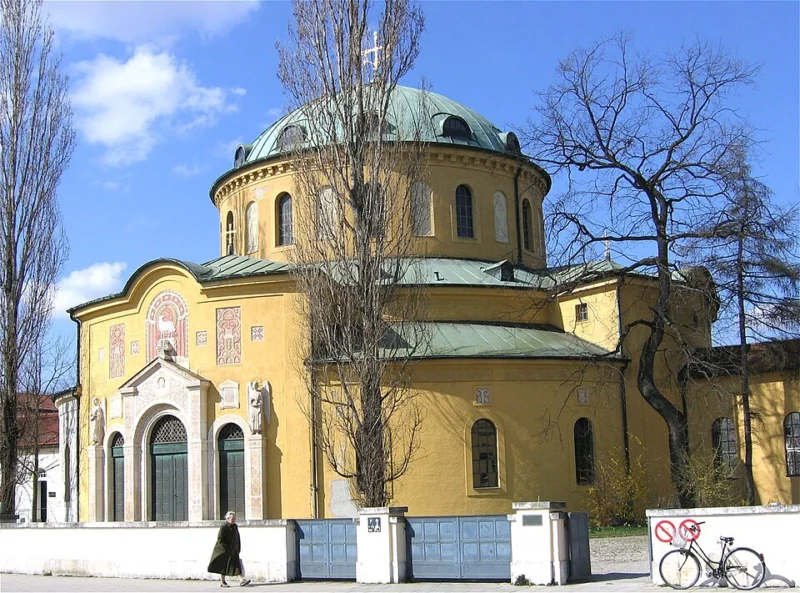
Harlaching sits on the high bank above the Isar, a quiet district of villas, gardens and old trees. The village began around St. Anna, a small church on the edge of a 30-metre drop to the river, and further south the Gutshof Menterschwaige was a ducal estate long before it became an inn.

It is a place for slow history. Have breakfast next to the church, look inside at the Rococo interior, then take the steep path down past the zoo to the Marienklause chapel and follow the river south. In the evening you sit where Munich’s 19th-century artists partied with King Ludwig I.

The downside is distance. There are few shops or restaurants beyond the inns, and the Altstadt is a tram ride of around half an hour away.

Local picks

For Culture & History
  • 1
    BreakfastHarlachinger EinkehrStart with breakfast at this inn next to St. Anna, open from 9.30 am. In good weather sit outside under the trees.
  • 2
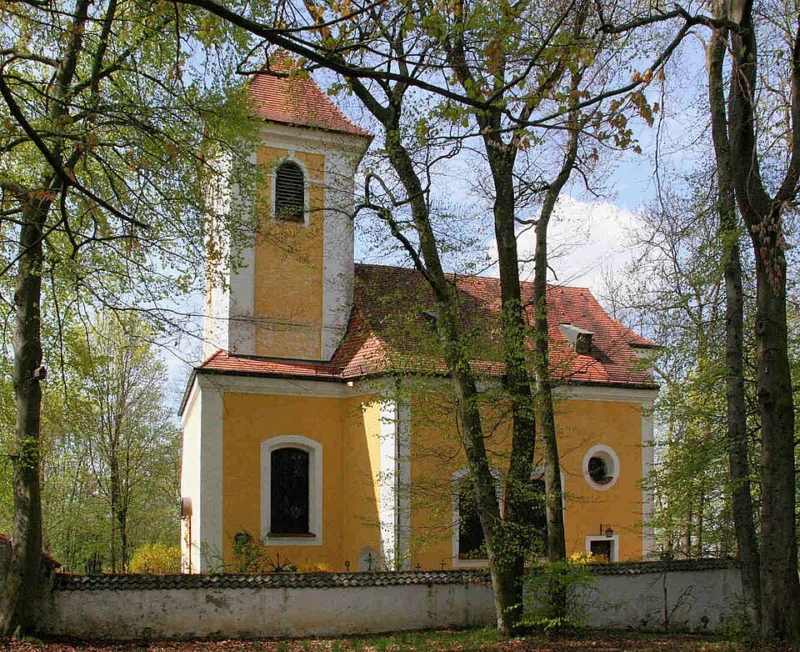
    MorningWallfahrtskirche St. AnnaFrom outside it looks like a simple village church, but inside is a lavish Rococo room. Look for the carved St Anne group on the high altar from around 1500.
  • 3
    Down the slopeTierpark HellabrunnTake the path down the slope to the zoo, founded in 1911 and known as the world’s first geo-zoo. History lovers should look for the elephant house, which opened in 1914.
  • 4
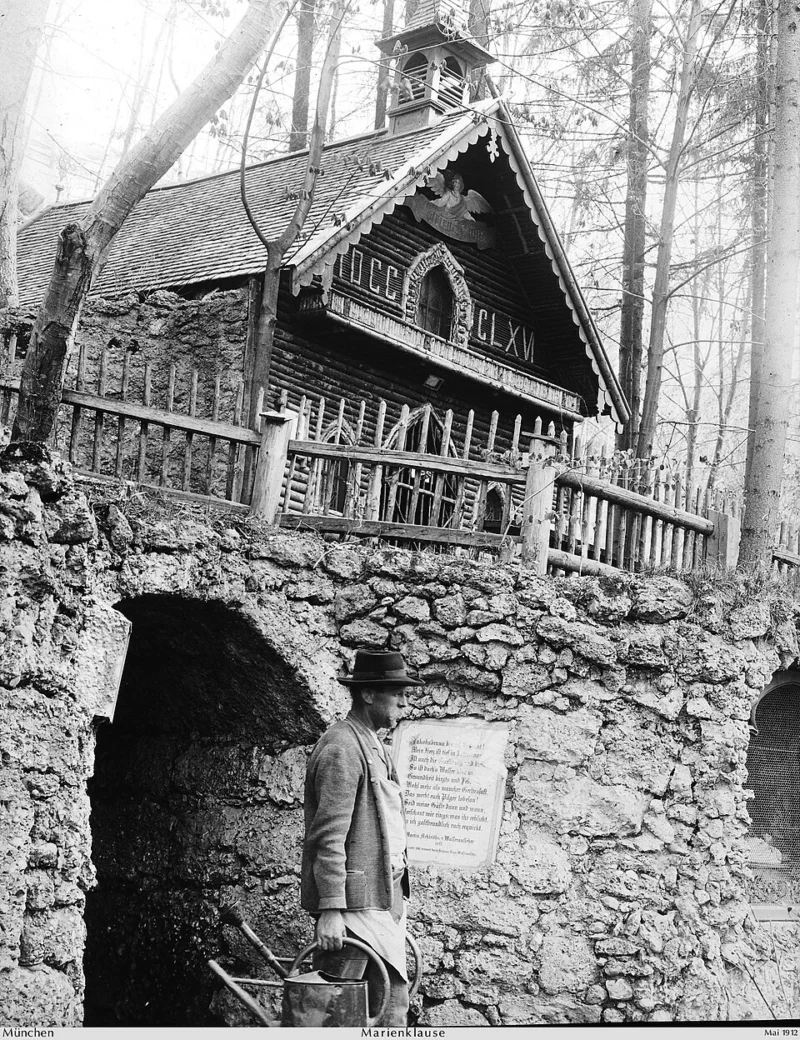
    Hidden historyMarienklauseAt the south end of the zoo, a tiny chapel from 1866 stands on the steep bank above the Isar. From here, follow the high-bank path south.
  • 5
    DinnerGutshof MenterschwaigeEnd at this listed estate on the high bank, recorded around 1012 and an inn since 1803. Ludwig I held his artists’ festivals here, and the beer garden opens daily in season — from mid-afternoon on weekdays.
  • Getting aroundTram from MenterschwaigeThe tram to Grünwald stops at Menterschwaige; ride it north and change to the U-Bahn for the Altstadt. Allow around half an hour.
  • Where to stayHarlaching has very few hotels, and the one historic stay is the Gutshof Menterschwaige. Book it early. Otherwise look a little north, around Wettersteinplatz in Giesing, where you are close to the U-Bahn.

Did you know?

A duke who fled the plague Duke John IV retreated to the Menterschwaige estate in the plague year of 1463, but caught the disease and died there.
A church older than its name St. Anna grew from a church built around the mid-12th century; its dedication to St Anne is first recorded in 1524.
A chapel by the river The small Marienklause chapel on the Isar slope was built in 1866 by Martin Achleitner.
Harlaching

Solln

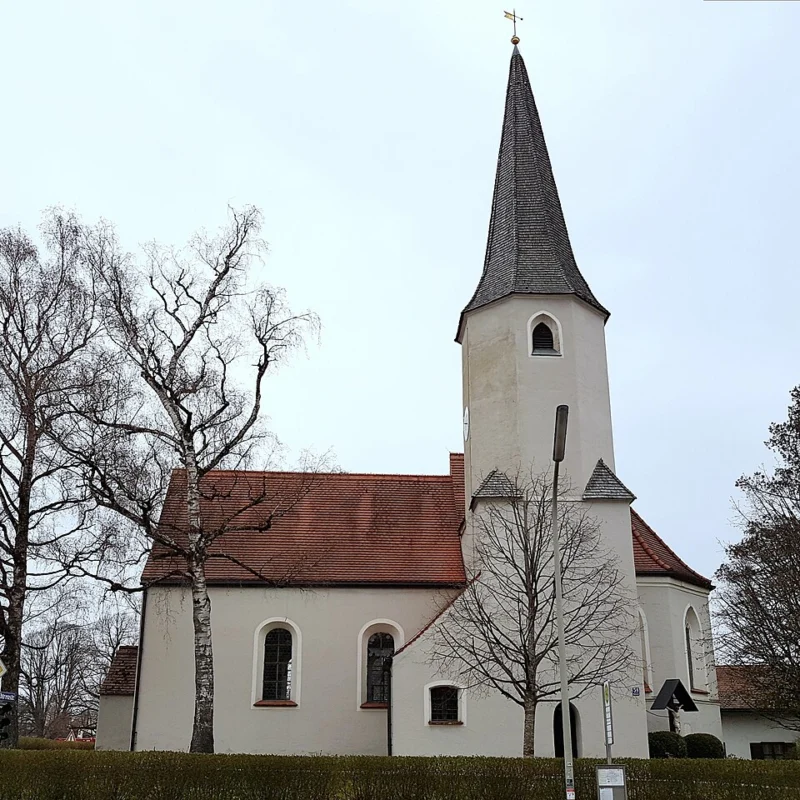
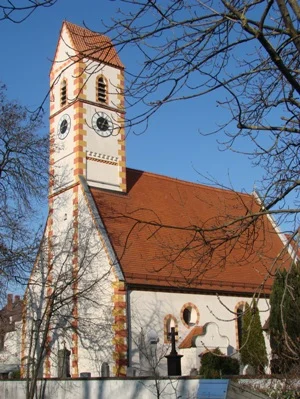
Solln is Munich’s southernmost district, a former village that only joined the city in 1938. Around its old core you find two villa colonies from around 1900, gardens behind high hedges and, at the north edge of the old village, the Alte Sollner Kirche, one of the oldest church buildings in and around Munich.

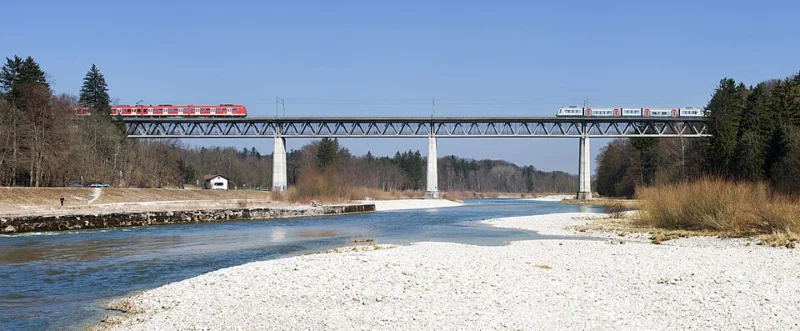
History here is about the village and the railway. Start with the two churches of St. Johann Baptist, the small late-Gothic one and the bigger one that replaced it in 1905. Then walk east through the villa streets to the Isar and cross the Großhesselohe bridge, first opened in 1857, to a historic beer garden on the other side.

Be honest with yourself: Solln is a residential suburb. Evenings are quiet and the old church is often locked outside services, but the S7 takes you to Marienplatz without changing.

Local picks

For Culture & History
  • 1
    MorningAlte Sollner Kirche St. Johann BaptistThe late-Gothic village church on Herterichstraße sits on a rise inside its old churchyard. Inside is a Rococo high altar from 1760 with carvings by Johann Baptist Straub. It is mainly used in summer, so check service times.
  • 2
    Next doorSt. Johann Baptist (Fellererplatz)A short walk away stands the new parish church, built in 1905 when the old one became too small for the growing villa colony. Compare the two and you see how fast Solln grew.
  • 3
    AfternoonGroßhesseloher BrückeWalk east through the villa streets to the Isar high bank and onto the railway bridge, first opened in 1857 and rebuilt in the 1980s. A footpath runs under the tracks, with one of the best views of the Isar valley.
  • 4
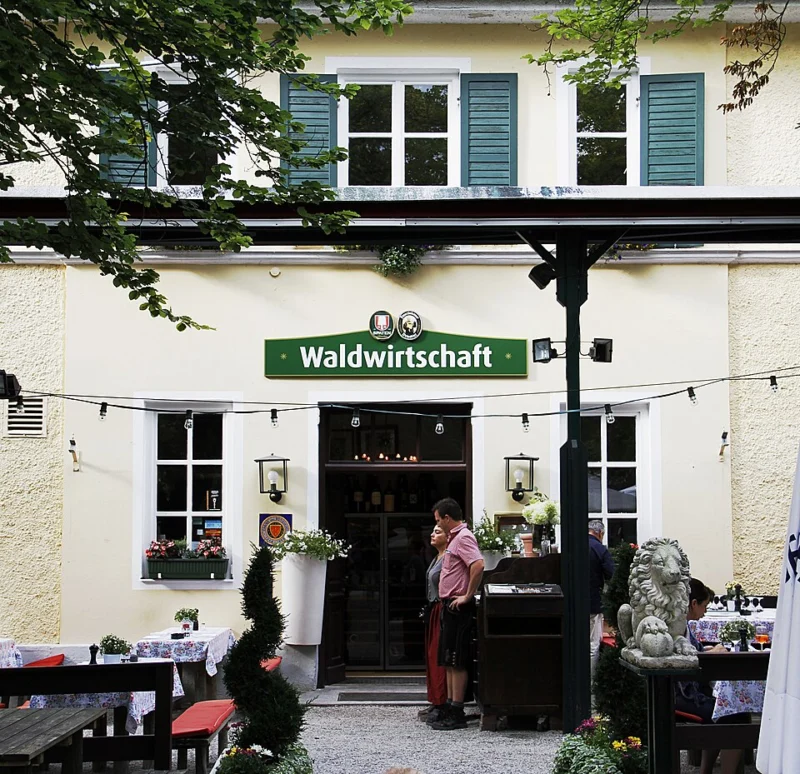
    EveningWaldwirtschaftJust over the town boundary in Pullach, this beer garden grew from a brewery cellar of the 1820s. In good weather a jazz band plays every day.
  • Getting aroundSolln S-BahnThe S7 runs from Solln straight through the city tunnel to the Hauptbahnhof and Marienplatz. You will not need to change trains for the centre.
  • Where to staySolln has a handful of small hotels, mostly on Wolfratshauser Straße and near the S-Bahn station. Choose one within walking distance of the station, because the villa streets are long and buses are infrequent in the evening.

Did you know?

A church since at least 1315 A church in Solln is recorded from 1315; the present old church was built in the late 15th century.
A patrician’s gifts The Munich patrician Balthasar Pötschner paid for furnishings for the Solln church in 1470–72.
The bridge that survived In 1945 a local man, helped by a soldier, removed one of the charges meant to blow up the Großhesselohe bridge.
Solln

Moosach

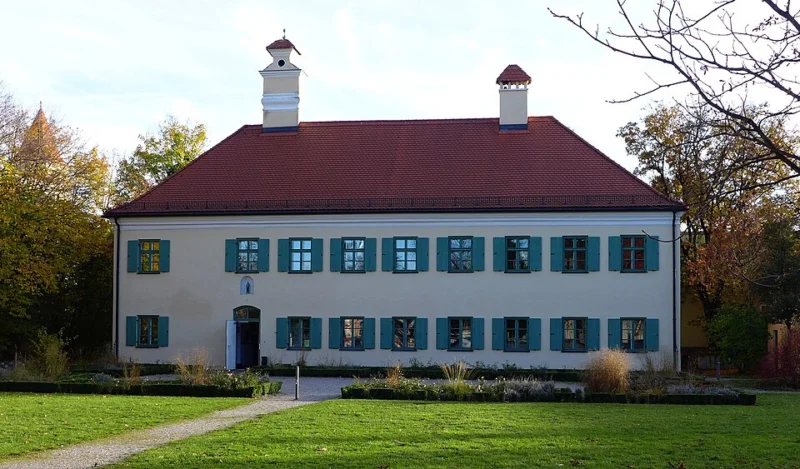
Moosach is the surprise of this list. Behind the busy Dachauer Straße hides an old village square with the oldest church still standing in Munich, a small 17th-century manor house and the Alter Wirt, the old village inn. The village was first recorded in 807 and only joined Munich in 1913.

A history day here runs from the 20th century back to the Middle Ages. Start at the Borstei, a 1920s model housing estate, walk through the Westfriedhof cemetery, then finish on St.-Martins-Platz with the old church, the Pelkovenschlössl and dinner at the Alter Wirt.

The weakness is that Moosach is a working district with plenty of traffic and modern blocks between the sights. Use it as a base: the U3 runs straight to Odeonsplatz and Marienplatz.

Local picks

For Culture & History
  • 1
    MorningBorsteiBernhard Borst built this estate in 1924–29 with courtyards, frescoes and sculptures, and luxuries like central heating and a laundry service. The small Borstei museum opens by appointment, so email ahead.
  • 2
    Quiet walkWestfriedhofCross Dachauer Straße into the Westfriedhof, laid out in 1898 with buildings by Hans Grässel from 1902. The main avenue is lined with grave monuments, some by the sculptor Heinrich Waderé.
  • 3
    AfternoonAlte Pfarrkirche St. MartinWalk north to St.-Martins-Platz and the oldest church still standing in Munich. The Romanesque apse and tower survive, and inside are a Rococo high altar and a copy of the Black Madonna of Einsiedeln from around 1700.
  • 4
    Next doorPelkovenschlösslAcross the square stands the manor house the Pelkoven brothers built in 1690. It has been a school, a market garden and an inn, and is now a cultural centre that opens for events.
  • 5
    DinnerAlter Wirt MoosachFinish at the old village inn on Dachauer Straße. The name makes sense once you know that the Pelkovenschlössl opened as Moosach’s second inn, the Neuwirt, in 1852.
  • Getting aroundMoosach U-Bahn and S-BahnFrom Moosach station the U3 runs straight to Odeonsplatz and Marienplatz, and the S1 goes to the Hauptbahnhof. Westfriedhof also has its own U1 station.
  • Where to stayHotels in Moosach are mostly modern and practical, along Dachauer Straße and near the station. Pick one close to St.-Martins-Platz or the U3 — that puts both the old village and the Altstadt within easy reach.

Did you know?

Named after a river Moosach takes its name from the Moosach, a tributary of the Isar about 60 km long.
A church first recorded in 815 A wooden church on the site of Alte St. Martin is first mentioned in 815; the stone church is from the 12th–13th centuries.
Germany’s first central heating plant The Borstei estate got Germany’s first central heating plant in 1928, and it still runs today.
Moosach

Planning your stay in Munich

For Culture & History
  • Three days of historyDay 1: Moosach’s old church and the Borstei, then the Residenz via the U3. Day 2: the Altstadt early, then the Asam-Schlössl in Thalkirchen for dinner. Day 3: St. Anna and the Menterschwaige in Harlaching, ending at the Großhesselohe bridge.
  • Timing the churchesVillage churches often open only around services. Sunday mornings are the easiest time to see inside; on weekdays check the parish website first.
  • Use the lines, not the carThe U3 links Moosach and Thalkirchen with the centre, the S7 serves Solln and trams run to Harlaching. A day ticket for zone M, which covers the whole city, takes you to all four districts.
  • Beyond the villagesCombine the outer districts with the Residenz, the Frauenkirche and Nymphenburg Palace. Munich’s big history sights are all within 30 minutes of each base.
Self-guided walking tours Culture & History (Munich, Germany)
Routes 4
Pick a route

Best time to visit Munich (Germany)

Now (November) avg high: 8°C, wetter month, full season — expect crowds. Best months to walk: Oct & May.

Live Temp …
~Day / Night Temp 8°C / 2°C
Sunrise / Sunset 8:12 / 17:44
Local time 5:31
Best Months Oct & May
J Jan F Feb M Mar A Apr M May best month J Jun J Jul A Aug S Sep O Oct best month N Nov this month D Dec
Check Munich hotels
Temperature Average daytime high, month by month. Zero line marks freezing point.
Crowds How busy it gets — traveller interest by month.
Rainfall Rainy days to expect each month.
Sunshine Hours of sun per day, by month.
Munich guides →

Best hotels in Munich for history lovers

From a heritage estate on the Isar cliffs to practical hotels on a direct line to the Altstadt.
Gutshotel Menterschwaige - Heritage Boutique Hotel with Timless Elegance
Best overall
9.0 Outstanding
277 reviews

Gutshotel Menterschwaige - Heritage Boutique Hotel with Timless Elegance

Rooms at the Gutshof Menterschwaige, a listed estate on the high bank of the Isar whose history goes back to a dairy farm first recorded around 1012. King Ludwig I held artists’ festivals here, and the beer garden is still downstairs.

Ideal for: History lovers who want to sleep in a listed building
Leonardo Hotel Munich City North
Smart choice
8.3 Very Good
3536 reviews

Leonardo Hotel Munich City North

A modern hotel on Dachauer Straße, a few minutes’ walk from Alte St. Martin, the oldest church still standing in Munich, and the Pelkovenschlössl. Moosach station is close, with the U3 running straight to Odeonsplatz and Marienplatz.

Ideal for: History lovers who want a practical base with a direct U-Bahn
NYX Hotel Munich by Leonardo Hotels
Top pick
8.8 Excellent
7506 reviews

NYX Hotel Munich by Leonardo Hotels

A modern hotel on Hofmannstraße in Obersendling, about 15 minutes’ walk above the old village of Thalkirchen. It is a good base for the Isar, the Asam-Schlössl and the old pilgrimage church, with trains to the centre nearby.

Ideal for: History lovers who want a modern room near the Isar
Hotel Ludwig
Walkable area
8.6 Excellent
896 reviews

Hotel Ludwig

A hotel in the west of Moosach, around 15 minutes’ walk from the old village core with its medieval church, the Pelkovenschlössl and the Alter Wirt.

Ideal for: History lovers who want quiet streets near old Moosach
Pension Prinz
Editor’s choice
9.7 Exceptional
228 reviews

Pension Prinz

A family-run guesthouse on Ascholdingerstraße, a 5-minute walk from Solln station and about 15 minutes by S-Bahn from central Munich. Rooms are country-style, there is a summer terrace and a garden, and the breakfast with home-made jams is rated exceptional by guests. It sits on a quiet residential street in Solln, so plan on the train for the Altstadt.

Ideal for: History lovers who like quiet villa streets
WunderLocke Munich
Premium stay
8.4 Excellent
9002 reviews

WunderLocke Munich

Serviced apartments on Gmunder Straße in Obersendling, with kitchens for longer stays. Old Thalkirchen and the Isar are a 20-minute walk downhill.

Ideal for: History lovers staying a week or more
Hotel Wetterstein
Smart choice
8.2 Very Good
3554 reviews

Hotel Wetterstein

A hotel on Grünwalder Straße by Wettersteinplatz in Giesing, north of Harlaching. The U-Bahn to the centre is close, and St. Anna and the Isar high bank are a 20-minute walk south.

Ideal for: History lovers who want the U-Bahn close by

Visiting during Oktoberfest or a trade fair?

Munich hotels fill up and prices jump in late September and during big fairs. Book early, or plan your history trip for spring or late autumn.

Compare Munich hotels for history lovers

Location, building and what makes each one useful for a history trip — side by side.
WunderLocke Munich
Premium stay
8.4 Excellent
9002 reviews

WunderLocke Munich

Obersendling • Serviced apartments • Gmunder Straße
Best for a long history trip
Self-Catering
Kitchens
Long Stays
Longer stays
Design
Design interiors
Gutshotel Menterschwaige - Heritage Boutique Hotel with Timless Elegance
Best overall
9.0 Outstanding
277 reviews

Gutshotel Menterschwaige - Heritage Boutique Hotel with Timless Elegance

Harlaching • Heritage estate • On the Isar cliffs
The most historic address in this guide
Historic Building
Listed building
River Views
Isar high bank
Local Vibe
Historic inn downstairs

Traditional Local Food Munich (Germany)

🌿
Soup Vegetarian

Bavarian Beer Soup

Bierkäsesuppe
beer-kay-zuh-soo-puh

A creamy soup made with beer and cheese, a Bavarian specialty.

Open Bavarian Beer Soup recipe
Dessert Vegetarian

Bavarian Cream

Bayerische Creme
BYE-reesh-uh KREM-eh

A dessert of custard and whipped cream, often served with fruit.

Open Bavarian Cream recipe
Snack Meat

Bavarian Leberkäse

Bayerischer Leberkäse
BAI-yuh-rish-uh LAY-buhr-kays

A type of meatloaf made from finely ground corned beef, pork, and bacon.

Open Bavarian Leberkäse recipe
Main course Meat

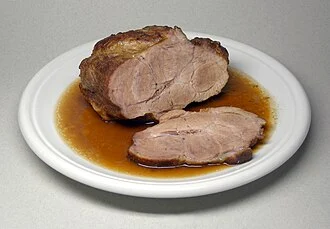
Bavarian Pork Roast

Schweinsbraten
SHVINES-brah-ten

A succulent and hearty roast pork dish with a crispy crust.

Open Bavarian Pork Roast recipe
Side Vegetarian

Bread dumplings

Semmelknödel
ZEH-mehl-keno-dell

Soft bread dumplings served as a side to hearty Bavarian dishes.

Open Bread dumplings recipe
Snack Vegetarian

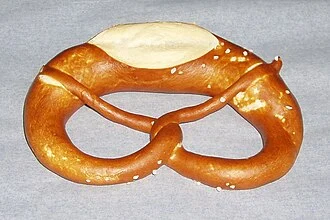
Butter Pretzel

Butterbrezel
butter-bret-sel

A freshly baked pretzel sliced and spread with butter.

Open Butter Pretzel recipe

Activities & Experiences

Things to Do in Munich

Top-rated tours, day trips and local experiences — book in advance to secure your spot.

City & Country Data Munich (Germany)

Key travel data for Munich — local prices, safety, healthcare, local currency and essentials, curated by Triplandio.

Safety 🔒 84
Health 🏥 98
Lifestyle ⭐ 72
Infra 🏗️ 85
Rank 🎯 #11
Score 📊 68
Tourists ✈️ 12.4M/y
GDP/cap 💵 $60.5k
Life Exp ❤️ 80.8 yrs
Population 👥 83.5M
Currency 💱 EUR €
Language 🗣️ German
Payments 💳 Mixed
Emergency 🆘 112
Coffee ☕ $4.20
Beer 🍺 $5.20
Lunch 🍽️ $19.00
Groceries 🛒 $50.00/w
Taxi/km 🚕 $3.00
Transit 🚇 $4.10
Fuel ⛽ $2.10/l
Internet 📡 $50.00/m
Salary 💵 $3,000/m

Travel tipsMunich (Germany)

Quick tips

  1. Nazi symbols and salutes are crimes — Critical

    In Germany, showing a swastika or making a Hitler salute is a criminal offence, even as a joke, on clothing or in a photo. Tourists have been arrested for it, so don't do it anywhere.

  2. Don't assume cannabis is legal for you — Critical

    Germany's cannabis rules are narrow: buying from street dealers is illegal, and carrying any drugs through a German airport or across a border is treated as smuggling, with long prison sentences.

  3. Buy a ticket before you board — Caution

    German buses, trams and trains run on trust, but plain-clothes inspectors check tickets. Riding without a valid ticket usually costs a 60-euro penalty on the spot, and saying you are a tourist doesn't help.

  4. Most shops close on Sundays — Good to know

    Supermarkets and most shops in Germany are closed all day on Sundays and public holidays. Stock up on Saturday; shops in big railway stations and airports stay open.

  5. Carry some cash — Local tip

    Cards are widely accepted now, but some bakeries, beer gardens, market stalls and small restaurants in Germany still take cash only. Keep 20–50 euros on you and ask before you order.

  • Do
  • Buy a ticket before boarding
  • Wait for the green pedestrian light
  • Carry some cash
  • Shop before Sunday
  • Return bottles for the deposit
  • Don’t
  • Make a Nazi salute, even as a joke
  • Walk in the cycle lane
  • Carry drugs through an airport
  • Swim in the Rhine
  • Leave bags unattended at stations

Munich tips for history lovers

Check church opening times

Village churches like Alte St. Martin in Moosach and the old church in Solln are often locked outside services. Go around Sunday mass or check the parish website before you walk out.

Tip: Plan around services

Eat in the old inns

The Asam-Schlössl, the Gutshof Menterschwaige and the Waldwirtschaft are all historic buildings that still serve food. Their beer gardens depend on the weather, so book a table inside on cooler days.

Tip: History you can sit down in

Do the Altstadt early

From any of these districts you are 15–30 minutes from Marienplatz. Arrive before 9 am for the Frauenkirche and the Glockenspiel square, then come back out to the villages when the centre fills up.

Tip: Beat the crowds in the centre

Munich for history lovers: FAQ

When is the best time to visit Munich?

The best time to visit Munich is October and May — fewer crowds, comfortable temperatures, less rain and more sunshine. Compare every month in the seasonal chart above.

Which area of Munich is best for history lovers who avoid the crowds?

Moosach is the best all-round pick: the oldest church still standing in Munich, a 1690 manor house and a 1920s model estate are all within a short walk, and the U3 runs straight to Marienplatz.

What is the oldest church in Munich?

Alte St. Martin in Moosach. A wooden church on the site is first recorded in 815, and the stone church standing today was built in the 12th and 13th centuries.

Can I stay in a historic building in Munich’s south?

Yes. The Gutshof Menterschwaige in Harlaching is a listed estate on the Isar high bank with guest rooms and a beer garden. Ludwig I held his artists’ festivals here in the 19th century.

How do I get from these districts to the Altstadt?

Thalkirchen and Moosach are on the U3 to Marienplatz, Solln is on the S7, and Harlaching has trams into the centre. Allow 15–30 minutes each way.

Where can I eat in a historic place outside the centre?

The Asam-Schlössl in Thalkirchen was the home of Baroque painter Cosmas Damian Asam, the Gutshof Menterschwaige belonged to the Wittelsbach dukes, and the Waldwirtschaft by the Großhesselohe bridge has been a beer garden since the 19th century.

Munich for history lovers, beyond the Altstadt

★ For history lovers
Munich's Altstadt gets the crowds, but the city's longest stories are told in its old villages. Moosach has the oldest church still standing in Munich, Thalkirchen grew around a medieval pilgrimage church on the Isar, Harlaching keeps a Rococo chapel above the river and Solln a 15th-century village church. This guide picks those four districts for history lovers, with a walk, an old inn for dinner and a hotel in each — and every one is on a direct U-Bahn, S-Bahn or tram line to Marienplatz.
  • Four old villages with their own history
  • Medieval churches and historic inns
  • Direct lines to the Altstadt museums
  • Updated 2026
Europe — Germany — Munich — Top Neighbourhoods in Munich for History Lovers
keyboard_arrow_up