


New Town (Nové Město)
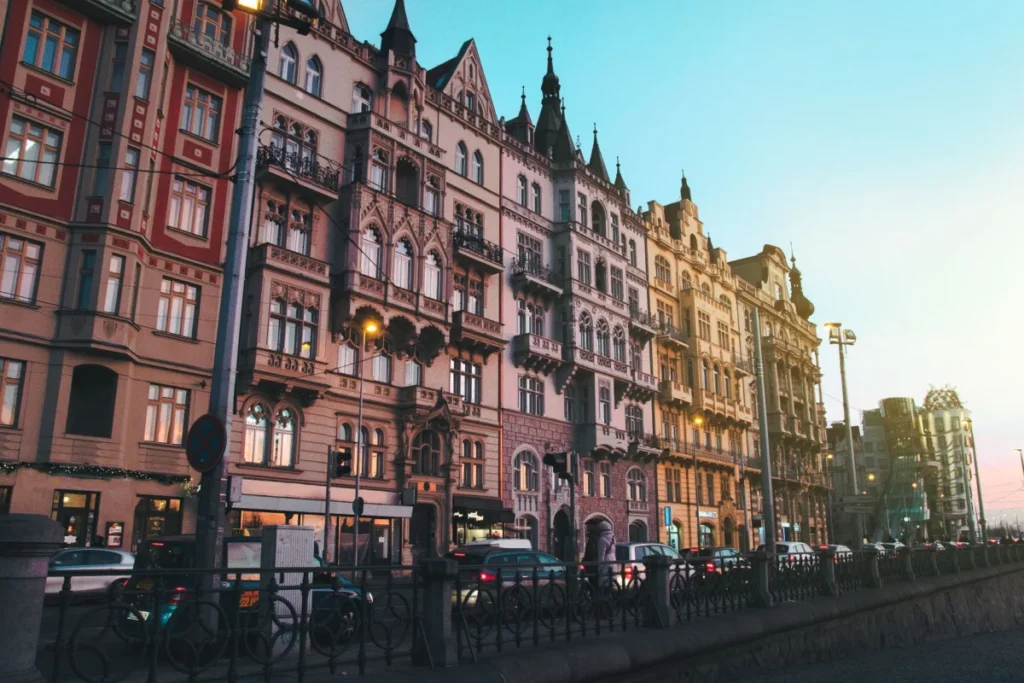
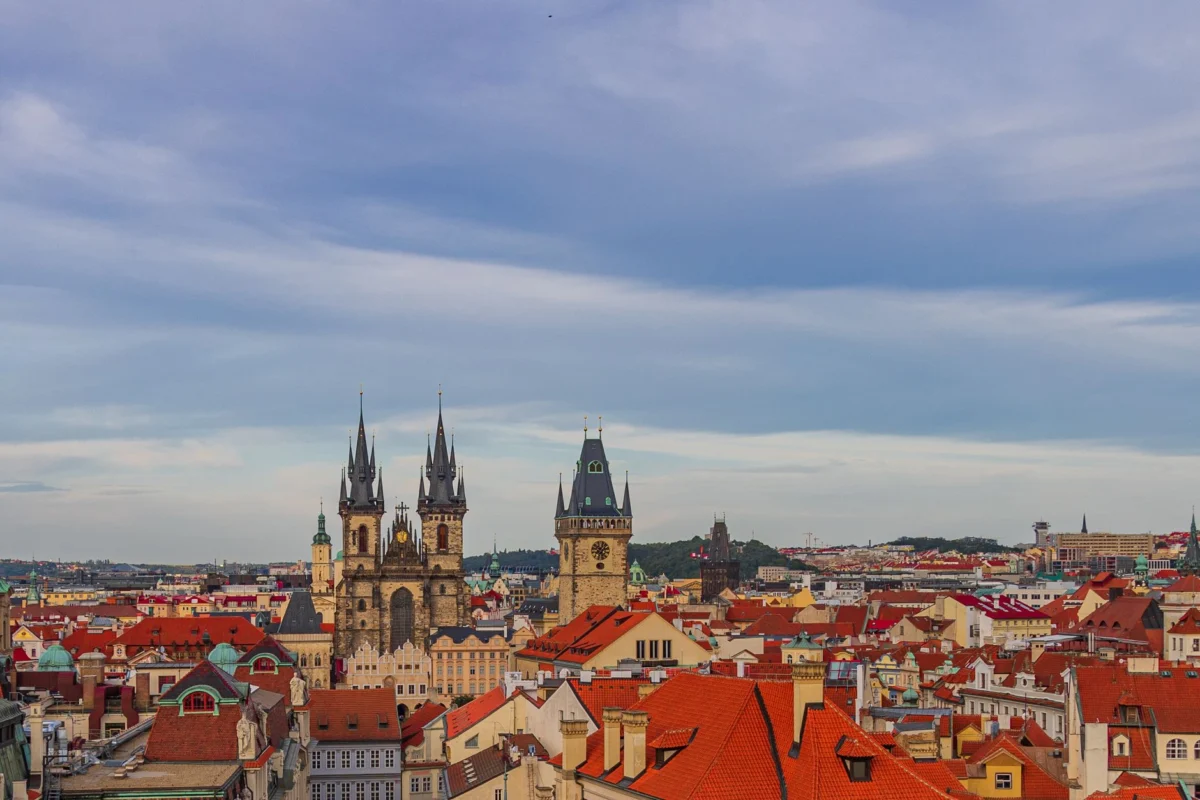
New Town keeps the whole group close to the action. Centred around Wenceslas Square and extending toward the National Theatre and river, this is one of Prague’s most practical bases for friends who want restaurants, bars, clubs, shopping, and major sights within easy reach. The streets are energetic well into the evening, while landmarks such as the National Museum, Mucha Museum, and Dancing House provide simple daytime meeting points. It is a strong choice when everyone wants a central location but not the steepest, most cobbled routes found in the Old Town.
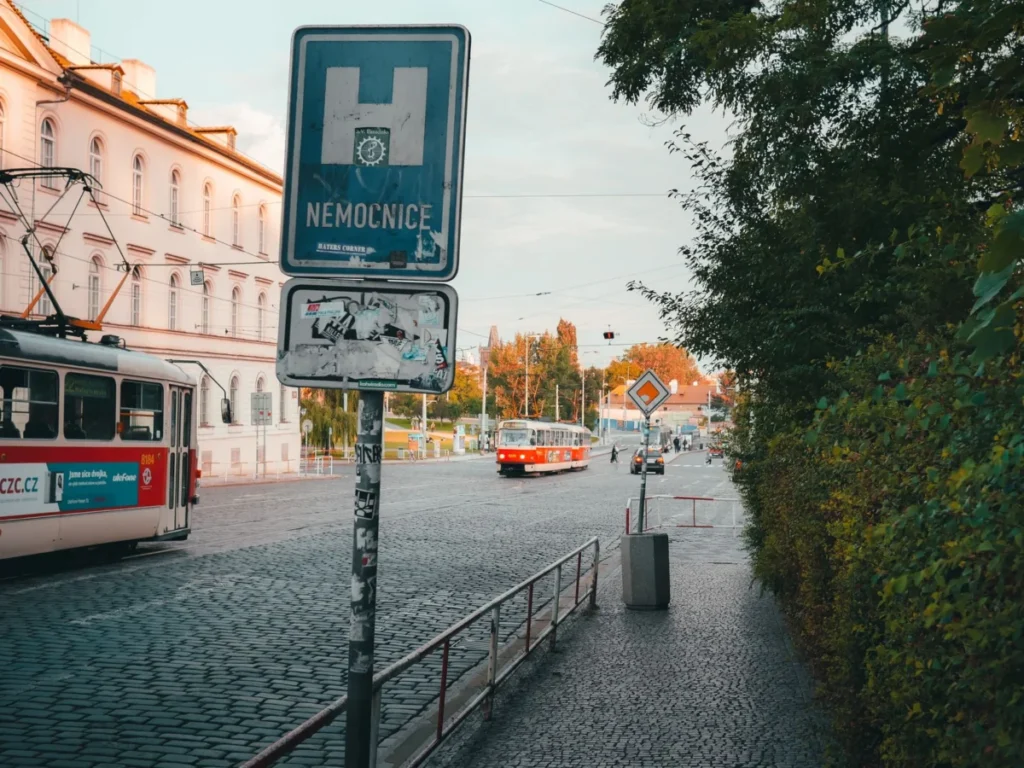
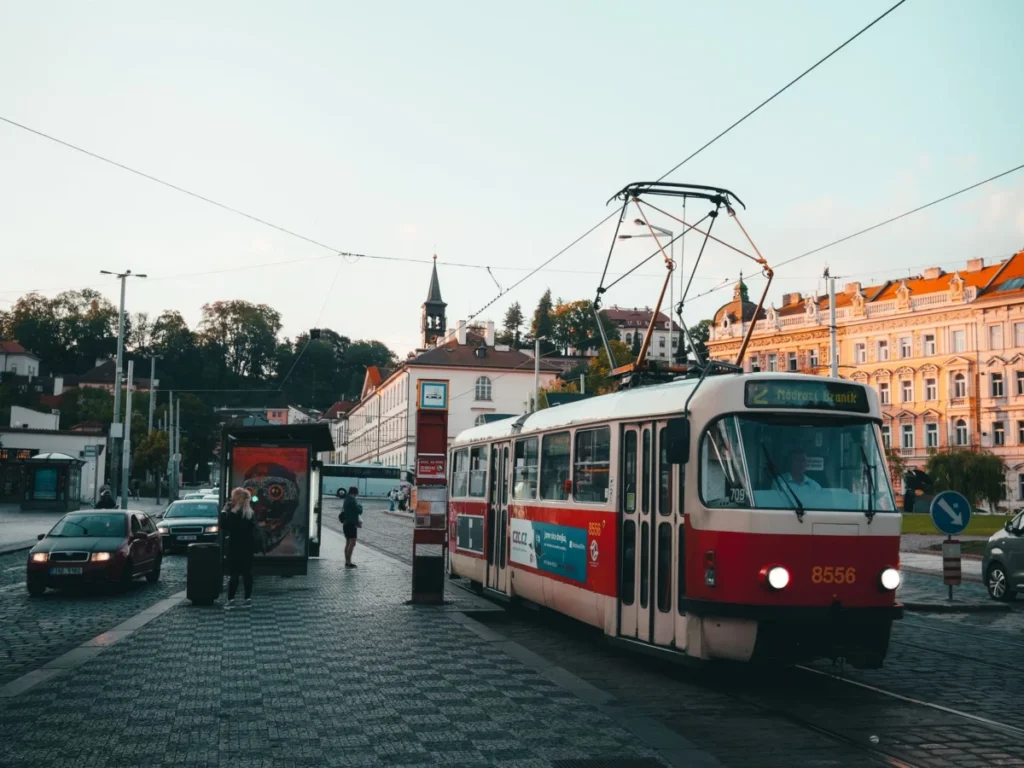
For groups of six or more, New Town’s biggest advantage is straightforward transport. Several metro lines, trams, and major tram corridors make it easy to split up during the day and reunite later, while Prague’s central station is convenient for arrivals by train. Look for larger hotels with connecting or family rooms, a generous lobby, luggage storage, and flexible cancellation policies. Restaurants around Wenceslas Square can be busy and tourist-oriented, so reserve tables early and ask whether a fixed group menu or private room is available. For nights out, agree on a meeting point and use a licensed taxi or app-based ride service when the group returns at different times. New Town suits friends who value maximum convenience, varied nightlife, and minimal planning between activities.
| Charles IV founded New Town in 1348 A royal charter dated 7 April 1348 created Nové Město around Prague's older districts. |
| Wenceslas Square became a revolution stage On 24 November 1989, hundreds of thousands gathered there during the Velvet Revolution. |
| Wenceslas Square began as Horse Market Its medieval name was Koňský trh, reflecting its original role in Charles IV's New Town. |
| Gehry and Milunić made a dancing landmark Frank Gehry and Vlado Milunić designed the Dancing House, completed on Rašínovo nábřeží in 1996. |