

Explore Guides
AFRICA
Uganda
Triplandio Uganda guide covers 3 travel guides with 1 city across 12 areas, complete with hotel picks. Explore 11 self-guided walking tours in Uganda with 29 POI, spanning 68.7 km in total. Get inspired by 5 local dishes, complete with recipes and our unique Food Flavour DNA graph.
Country Data Uganda

Key travel data for Uganda — safety, healthcare, local currency and essentials, curated by Triplandio.
🌍 Uganda
Tourists
473K/y
GDP/cap
$1.2k
Life Exp
68.5 yrs
Population
51.4M
Currency
UGX Ush
Language
English
Payments
Cash only
Emergency
999
Travel tipsUganda

Quick tips
- Military-style clothing can mean life — Critical
Wearing camouflage, military-style clothing, red berets or anything with Ugandan army badges is illegal in Uganda for everyone, including children, with a maximum sentence of life imprisonment.
- E-cigarettes and shisha are illegal — Critical
Vapes, e-cigarettes and shisha (water-pipe tobacco) are banned in Uganda, with fines and possible prison. Leave them at home.
- Harsh anti-LGBT+ law — Critical
Uganda's Anti-Homosexuality Act 2023 punishes same-sex sexual activity with life imprisonment, some offences carry the death penalty, and “promoting” LGBT+ rights is also a crime.
- Terror attacks near the Congo border — Critical
Terrorists have attacked western Uganda near the Democratic Republic of the Congo (DRC), including national parks: two tourists and their driver were killed in Queen Elizabeth National Park in 2023. Follow local security advice.
- Don't give to Kampala street children — Caution
It is illegal in Kampala to give money, food or clothing to children living on the streets, punishable by a fine and possible prison. Support registered charities instead.
- Plan long road days carefully — Good to know
Distances in Uganda are long and roads are slow — Kampala to Bwindi takes a full day by car. Most visitors use a tour company's vehicle and driver, or small flights, and avoid driving after dark.
- Do
- Carry a copy of your passport
- Bring your yellow fever certificate
- Book gorilla permits months ahead
- Use arranged transport after dark
- Drink boiled or bottled water
- Don’t
- Wear camouflage or military gear
- Bring a vape or shisha
- Photograph Owen Falls Dam
- Give money to street children
- Join rallies or wear party colours
Critical
Prison or heavy penalty possible
Laws & fines
- Tough drug sentences — Critical
In Uganda, possessing illegal drugs can mean up to 20 years in prison, and trafficking up to life imprisonment.
- Avoid rallies and party colours — Critical
Political protests in Uganda have turned deadly, and police have used live ammunition. Avoid rallies, and don't wear red or yellow — party colours — near political events.
- No wildlife souvenirs — Critical
In Uganda it is illegal to buy or sell any part of a protected wild animal, such as ivory, skins or horn, without a licence. Buyers can be prosecuted and fined or jailed.
Entry & visa
- Travel advisory: Level 4 of 4 — Critical
Do not travel — the U.S. State Department's rating for Uganda.
Health
- Malaria is everywhere — Critical
Malaria is a serious risk throughout Uganda. Take antimalarial tablets as prescribed, sleep under a net and see a doctor quickly for any fever, even after you get home.
- Spiked food and drink — Critical
Travellers in Uganda have been drugged and robbed after accepting food or drink from strangers on buses and in bars. Politely refuse, and watch your glass.
Outdoors & adventure
- Avoid boda-bodas and matatus — Critical
Boda-bodas (motorbike taxis) and matatus (route minibuses) in Uganda are poorly maintained, badly driven and often uninsured, and fatal crashes are common. Foreigners on boda-bodas have also been mugged. Use a car with a known driver.
- Don't board overloaded ferries — Critical
Overloaded ferries on Lake Victoria and Lake Albert have sunk, killing many passengers. Use a reputable operator, don't board a boat that looks overloaded or unseaworthy, and find the life jackets first.
Caution
Fines, losses or injury possible
Getting between cities
- Long-distance buses carry risks — Caution
Ugandan long-distance buses, including services to Nairobi and Kigali, have had serious crashes, and overnight buses have been robbed by fake passengers. Avoid matatus altogether, and don't accept food or drink from strangers.
- Avoid travelling at night — Caution
Unlit vehicles, livestock and crime make night driving in Uganda dangerous. Avoid roads outside the main towns after dark; the road between Kampala and Entebbe airport is the exception.
Laws & fines
- Smoking bans reach 50 metres — Caution
Smoking is illegal in Ugandan public places, workplaces and transport, and outdoors within 50 metres of a public building. Ask where smoking is allowed.
- No photos of official sites — Caution
Photographing military, government or diplomatic sites is forbidden in Uganda — including Owen Falls Dam at the source of the Nile near Jinja. Put your camera away near them.
Tipping & money
- Withdraw cash safely — Caution
Criminals in Uganda target people who have just withdrawn cash. Use ATMs inside banks or malls, arrange transport there and back, and don't carry large sums.
Outdoors & adventure
- Stay in the vehicle on game drives — Caution
Leave your vehicle in Ugandan national parks only where rangers allow it. Buffalo, elephants and hippos can charge without warning.
- Don't walk after dark — Caution
To reduce the risk of being followed or robbed in Ugandan towns, avoid walking after dark and use arranged transport instead.
- Keep windows up in traffic — Caution
Thieves in Uganda snatch from cars and taxis stopped in traffic. Keep doors locked, windows shut and bags out of sight, and don't resist if armed robbers stop you.
- Speeding can mean prison — Caution
Ugandan police enforce speed limits, and speeding can bring a fine, prison or both. Visitors from the UK can drive on their licence for up to 3 months, others should check whether they need an International Driving Permit (IDP); the Jinja–Kampala and Kampala–Masaka roads have frequent crashes.
Good to know
Rules and useful facts
Regions & seasons
- The south-west for gorillas — Good to know
Bwindi Impenetrable Forest and Mgahinga in the south-west are home to mountain gorillas; nearby Queen Elizabeth National Park lies close to the Congo border, where extra caution is needed.
- The north-west for Murchison Falls — Good to know
Murchison Falls National Park has the Nile's dramatic falls, boat safaris and big game, a long day's drive or a short flight from Kampala.
- Two rainy seasons a year — Good to know
Most of Uganda gets long rains around March to May and shorter rains around October and November; trekking is easiest in the drier months.
Laws & fines
- Monthly national cleaning day — Good to know
On the last Saturday of each month, 7–10 am, businesses in Uganda must close and non-essential movement is banned. Tourists are exempt but may be stopped by police and asked to explain their journey.
- Carry a copy of your passport — Good to know
Ugandan officials may stop you and ask for ID. Always carry a copy of your passport's photo page and keep the original secure.
Tipping & money
- Bring clean, recent US dollar notes — Good to know
Ugandan shillings are used day to day, but park fees, lodges and money changers often price in US dollars and may refuse older, torn or marked notes. Bring newer, undamaged bills.
Entry & visa
- Apply for a visa online — Good to know
Every visitor to Uganda needs a visa, applied for on the official online system. Print the approval letter with its barcode and show it on arrival, where the visa is issued.
- Yellow fever certificate required — Good to know
You must have a yellow fever vaccination certificate to enter Uganda. Carry the paper certificate, as immigration may ask to see it.
- Passport valid for 6 months — Good to know
Your passport must be valid for at least 6 months after you arrive in Uganda.
Health
- Drink boiled or bottled water — Good to know
Drink only boiled or bottled water in Uganda and avoid ice. Don't eat food from unlicensed vendors or anywhere hygiene looks poor.
- Ebola and other outbreaks — Good to know
The WHO declared Uganda's latest Ebola outbreak over on 27 August 2026, but it continues in neighbouring Congo. Mpox and Marburg virus also occur, so follow local health advice.
- Bilharzia in lakes and rivers — Good to know
The parasite that causes bilharzia (schistosomiasis) lives in many Ugandan lakes and rivers, including Lake Victoria and the Nile. Swimming or rafting carries a risk, so get tested after your trip.
- Limited medical care — Good to know
Hospitals outside Kampala are basic, and many parks are far from help, so serious cases need an air ambulance. Your insurance must cover evacuation; call 999 for an ambulance.
Outdoors & adventure
- Book gorilla permits early — Good to know
Gorilla-tracking permits for Bwindi and Mgahinga are limited and sell out months ahead; book through the Uganda Wildlife Authority (UWA) or a licensed tour operator. Treks can be long, steep and muddy.
Local tips
Local know-how
Getting between cities
- Hire a car with a driver — Local tip
Most visitors travel around Uganda in a tour company's vehicle with a driver who knows the roads and parks. Self-drive is possible, but traffic keeps left and road accidents are common.
- Small flights to the parks — Local tip
Scheduled and charter flights link Entebbe with airstrips near Bwindi, Queen Elizabeth, Murchison Falls and Kidepo, saving many hours on the road.
Regions & seasons
- The east: Jinja and Mount Elgon — Local tip
Eastern Uganda has Jinja at the source of the Nile, the Sipi Falls and the slopes of Mount Elgon — an easier region to reach from Kampala.
Customs
- Greetings come first — Local tip
Ugandans value a proper greeting. Say hello and ask how someone is before getting to your question, whether in a shop, a market or with a guide.
- Dress modestly — Local tip
Uganda is a conservative, religious country. Outside safari lodges, cover shoulders and knees, especially in villages and places of worship, and avoid public displays of affection.
- Ask before photographing people — Local tip
Always ask permission before photographing people in Uganda. Some will say no, and some may ask for a small payment.
Tipping & money
- Tip guides and porters — Local tip
Tipping safari drivers, trekking guides, trackers and porters is customary in Uganda and an important part of their income. Ask your lodge or tour company what is usual.
- Bargain at markets and craft stalls — Local tip
Haggling is normal at Ugandan markets and craft stalls. Keep it good-natured, agree the price before you buy, and fix taxi fares before setting off.
Entry & visa
- East Africa tourist visa — Local tip
The East Africa Tourist Visa costs 100 US dollars and allows multiple entries to Kenya, Rwanda and Uganda over 90 days — useful for combined gorilla trips.
- Meeting people at Entebbe airport — Local tip
Only ticketed passengers can enter the terminal at Entebbe International Airport, so anyone meeting or dropping you off waits outside.
Our Uganda city guides
Raft the Nile only with established operators, and never photograph the Owen Falls Dam.
Say it locally
Luganda is spoken in Kampala and central Uganda; around Jinja people speak Lusoga, and English is understood widely.
Through the year
Festival or season Public holiday (exact date)
- Short rains
Oct–Nov 2026 · A second, shorter rainy season brings local floods and landslides; gorilla treks still run but are wetter and harder going.
- National cleaning day
Jan–Dec 2026 · On the last Saturday of every month, 7–10 am, businesses close and non-essential travel is restricted; allow extra time for any journey.
- Dry seasons
Dec 2026–Feb 2027, Jun–Aug 2027 · The best months for gorilla trekking and game drives; permits and lodges book up early.
- Christmas Day
Fri 25 Dec 2026 · Public holiday
- Boxing Day
Sat 26 Dec 2026 · Public holiday
- New Year
Fri 1 Jan 2027 · Public holiday
- Liberation Day
Tue 26 Jan 2027 · Public holiday
- Remembrance of Archbishop Janani Luwum
Tue 16 Feb 2027 · Public holiday
- Long rains
Mar–May 2027 · The main rainy season makes forest trails and dirt roads muddy and slow, and floods and landslides are common; some lodges offer lower prices.
- International Women's Day
Mon 8 Mar 2027 · Public holiday
- Eid al-Fitr (tentative)
Wed 10 Mar 2027 · Public holiday
- Good Friday
Fri 26 Mar 2027 · Public holiday
- Easter Monday
Mon 29 Mar 2027 · Public holiday
- Labour Day
Sat 1 May 2027 · Public holiday
- Eid al-Adha (tentative)
Mon 17 May 2027 · Public holiday
- Martyrs Day pilgrimage
Jun 2027 · Around 3 June, huge crowds of pilgrims walk to the Namugongo shrines near Kampala, and roads to the east of the city are jammed.
- Martyrs' Day
Thu 3 Jun 2027 · Public holiday
- National Heroes Day
Wed 9 Jun 2027 · Public holiday
- Independence Day
Sat 9 Oct 2027 · Public holiday
Sources: GOV.UK travel advice · U.S. State Dept · Google public holidays
Traditional Local Food Uganda
🥩
Snack
Meat
Nsenene
n-seh-neh-neh
· Fried grasshoppers
A seasonal delicacy of fried grasshoppers.
Open Nsenene recipe🌱
Main course
Vegan
Malewa
mah-leh-wah
· Bamboo shoot stew
A unique dish of dried bamboo shoots.
Open Malewa recipe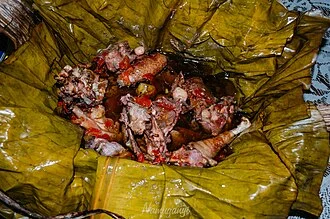
Main course
Meat
Luwombo
loo-wombo
· Steamed meat in banana leaves
A rich stew cooked in banana leaves, originating from Jinja.
Open Luwombo recipe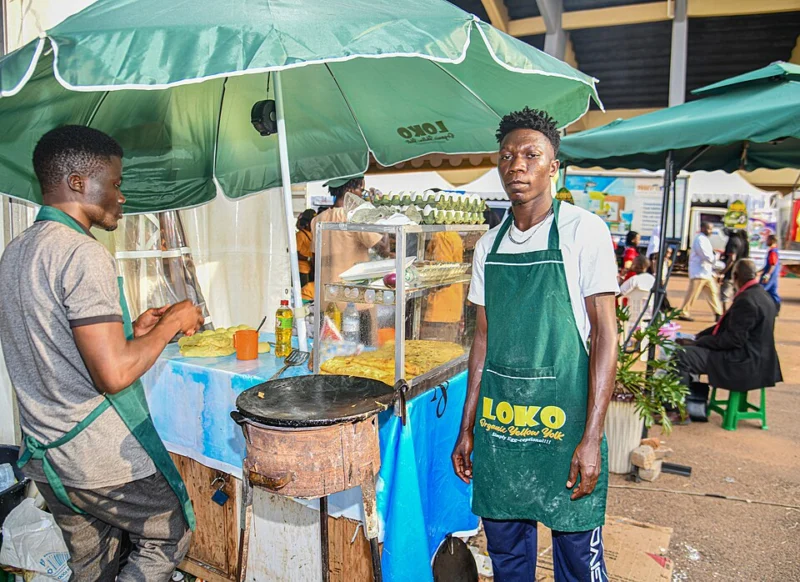
Snack
Vegetarian
Rolex
roh-leks
· Egg chapati roll
A popular street food roll of eggs and chapati.
Open Rolex recipe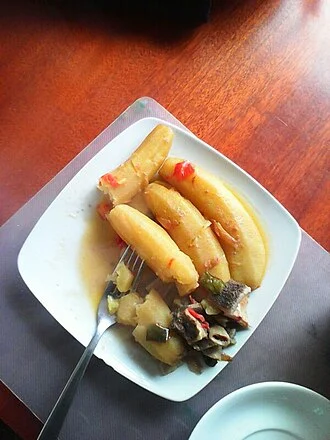
Main course
Meat
Katogo
kah-toh-goh
· Mixed stew with matoke
A hearty stew with plantains and offals.
Open Katogo recipe