Explore Guides
AFRICA / TOGO
Triplandio Sokode guide covers 4 travel guides across 15 areas, complete with hotel picks. Explore 12 self-guided walking tours in Sokode with 19 POI, spanning 44.9 km in total. Get inspired by 5 local dishes, complete with recipes and our unique Food Flavour DNA graph.
Sokode
City & Country Data Sokode (Togo)

Key travel data for Sokode — local prices, safety, healthcare, local currency and essentials, curated by Triplandio.
🌍 Togo
Tourists
482K/y
GDP/cap
$1.4k
Life Exp
62.9 yrs
Population
8.6M
Payments
Mixed
Emergency
112
💰 Prices in Sokode
Coffee
$4.75
Beer
$0.85
Lunch
$2.50
Groceries
$15.00/w
Taxi/km
$0.80
Transit
$0.35
Fuel
$1.20/l
Internet
$45.00/m
Salary
$300/m
Travel tipsSokode (Togo)

Quick tips
- Leave at once if a protest starts — Critical
Sokodé has a history of violent demonstrations in which protesters and security forces have been injured and killed. If a protest starts nearby, leave the area immediately.
- Same-sex relationships are illegal — Critical
Same-sex sexual relations are a crime in Togo, punishable by a fine or prison. Avoid public displays of affection and take care with dating apps.
- Stay out of the far north — Critical
Armed groups linked to al-Qaeda are active near the Burkina Faso border. Several governments, including the UK, advise against all travel within 30 km of that border, except Dapaong and the N1 road to it, and all but essential travel to the rest of the Savanes region.
- No photos of official buildings — Critical
Photographing military sites, government buildings or airports in Togo is illegal and can lead to arrest. Ask before taking any picture near police or soldiers.
- Get your e-visa before you fly — Good to know
There is no visa on arrival in Togo. Apply online for the e-visa at least 6 days before you arrive; a single-entry tourist visa is valid for 15 days.
- Carry your yellow fever certificate — Good to know
Everyone entering Togo must show a certificate proving yellow fever vaccination. Get the jab at least 10 days before you travel and keep the certificate with your passport.
- Do
- Get your e-visa in advance
- Carry your yellow fever certificate
- Greet people before asking anything
- Bring enough cash in euros or CFA
- Travel by road in daylight
- Don’t
- Travel near the Burkina Faso border
- Photograph soldiers or official sites
- Swim without asking locals first
- Touch voodoo shrines or fetishes
- Join or watch street protests
Critical
Prison or heavy penalty possible
Scams & safety
- Check advice before heading north — Critical
Beyond the Kara region, the N1 enters the Savanes region, where the UK government advises against all but essential travel. Plan your trip to turn back before then.
Laws & fines
- Drug offences mean prison — Critical
Possessing, using or trafficking illegal drugs is a serious offence in Togo and can lead to a fine and a prison sentence.
- Drink-driving can mean prison — Critical
Togo has no set alcohol limit, but police can order a medical test if they suspect drink-driving. Penalties range from a fine to 1–3 years in prison.
Health
- Protect yourself against malaria — Critical
Malaria is a risk throughout Togo all year. Ask a travel clinic about antimalarial tablets, sleep under a net and use insect repellent.
- Medical care is very limited — Critical
Hospitals and emergency care in Togo are poor, and serious cases may need evacuation. Have travel insurance covering evacuation; the ambulance number is 8200.
Beaches & adventure
- Strong currents off the beaches — Critical
Powerful ocean currents drown people along the Togolese coast every year, and dangerous beaches rarely have warning signs. Ask locals before swimming and stay in your depth.
- Don't travel by road at night — Critical
Roads outside Togolese towns are unlit, and armed criminals sometimes stage fake accidents to stop and rob cars. Plan journeys to finish before dark.
Caution
Fines, losses or injury possible
Scams & safety
- Bafilo and Mango are also flashpoints — Caution
Bafilo, north of Sokodé on the road to Kara, and Mango in the far north have also seen violent protests. Check local news before travelling on.
Laws & fines
- Leave protests immediately — Caution
Political rallies and demonstrations in Togo can turn violent without warning. If one starts near you, move away and follow local news.
Beaches & adventure
- Motorbike taxis need care — Caution
Motorbike taxis (zemidjans or zems) are everywhere in Togo but crashes are common. Agree the fare first, ask for a helmet and hold on.
Good to know
Rules and useful facts
Scams & safety
- Travel advisory: Level 2 of 4 — Good to know
Exercise Increased Caution — the U.S. State Department's rating for Togo.
Laws & fines
- Carry a copy of your passport — Good to know
Keep a copy of your passport photo page on you at all times in Togo, and make sure you can reach the original quickly if police ask for it.
- Stop at checkpoints when asked — Good to know
Police and unofficial roadblocks are common on Togolese roads. Stop when told to, switch on the interior light at night and drive on only when waved through.
Tipping & money
- Bring enough cash — Good to know
Togo is a cash-based country and card machines are unreliable even where cards are accepted. The currency is the West African CFA (Communauté Financière Africaine) franc, pegged to the euro.
- Use cash machines in Lomé — Good to know
Only some cash machines in the capital, Lomé, reliably accept international cards. Withdraw enough in Lomé before heading inland.
Entry & visa
- Passport valid for 3 months — Good to know
Your passport must be valid for at least 3 months after the date you plan to leave Togo.
- Fill in the online registration form — Good to know
Visitors must complete an online registration certificate before arriving in Togo and again before departing. Check the requirement with your airline before you fly.
- Transit may need a visa — Good to know
Togo requires a visa even if you're only passing through. For a layover at Lomé airport, check with your airline whether you need a transit visa.
- Land borders can close suddenly — Good to know
Togo's borders with Ghana, Benin and Burkina Faso can close at short notice. Check the latest situation before planning an overland route.
Health
- Mosquito-borne diseases — Good to know
Dengue and Zika are also spread by mosquitoes in Togo, mostly in the daytime. Cover up and use repellent, and pregnant women should seek advice about Zika before travelling.
- Drink bottled water — Good to know
Don't drink tap water in Togo. Stick to sealed bottled water and avoid ice unless you know it's made from treated water.
Beaches & adventure
- Rainy-season roads — Good to know
In the rainy season, minor unpaved roads in Togo can become impassable. Allow extra time and check routes locally before heading into the hills.
Local tips
Local know-how
Scams & safety
- Friday prayers and Ramadan — Local tip
Streets around Sokodé's mosques fill up at Friday midday prayers, and many food stalls close by day during Ramadan. Plan meals and travel around them.
Getting around
- Nearest airport: Lomé (LFW) — Local tip
Sokodé has no airport with regular flights for visitors. Lomé's Gnassingbé Eyadéma International Airport (LFW) is about 340 km south; the road journey takes most of a day.
- Buses and bush taxis on the N1 — Local tip
Buses and shared cars (bush taxis) run from Lomé to Sokodé and on to Kara along the N1. Leave Lomé early so you arrive before dark.
- Motorbike taxis in town — Local tip
Motorbike taxis (zemidjans or zems) are the easiest way around Sokodé. Agree the price before setting off and ask for a helmet.
Customs
- Take time over greetings — Local tip
In Togo, launching straight into a question is rude. Say “Bonjour”, shake hands and ask how the person is before you ask for directions or a price.
- Use your right hand — Local tip
The left hand is traditionally seen as unclean in Togo. Eat, shake hands, pay and pass things with your right hand.
- Respect voodoo shrines — Local tip
Vodun (voodoo) is a living religion in southern Togo. Don't touch shrines or fetish objects, and ask before photographing ceremonies — a fee is often expected.
- Ask before photographing people — Local tip
Many Togolese don't like being photographed by strangers, especially at markets. Always ask first and accept a no.
- Dress modestly in the north — Local tip
Central and northern Togo are largely Muslim. Cover your shoulders and knees in towns such as Sokodé, particularly near mosques.
Tipping & money
- Carry small notes — Local tip
Taxi drivers and market sellers often can't change large notes. Keep a supply of small notes and coins for fares and snacks.
- Bargain at markets — Local tip
Prices at Togolese markets and craft stalls are open to negotiation. Agree motorbike-taxi and car fares before you set off, too.
- Tipping is modest — Local tip
Tipping is not expected in Togo, but leaving small change for good service in restaurants, or tipping guides and drivers, is appreciated.
Health
- Buy medicines at pharmacies — Local tip
Most medicines in Togo are sold only in pharmacies, marked with a green cross. Buy known brands; pharmacies usually accept UK prescriptions.
Say it locally
French is the language of travel in Togo; always start with “Bonjour” before asking anything.
Through the year
Festival or season Public holiday (exact date)
- Dry season
Nov 2026–Mar 2027 · The easiest time to travel, with passable roads; the best months for hiking in the hills.
- Rainy seasons
Sep–Nov 2026, Apr–Jul 2027 · The south has two rainy seasons, roughly April–July and September–November; the north has one long wet season, May–October.
- All Saints' Day
Mon 1 Nov 2027 · Public holiday
- Harmattan
Dec 2026–Feb 2027 · A dry, dusty wind from the Sahara brings hazy skies and cooler nights, especially in the north.
- Christmas Day
Fri 25 Dec 2026 · Public holiday
- Ramadan
Jan–Mar 2027 · The fasting month moves about 11 days earlier each year; in the Muslim north, food stalls close by day.
- New Year
Fri 1 Jan 2027 · Public holiday
- Liberation Day
Wed 13 Jan 2027 · Public holiday
- Eid al-Fitr (tentative)
Wed 10 Mar 2027 · Public holiday
- Easter Monday
Mon 29 Mar 2027 · Public holiday
- Independence Day
Tue 27 Apr 2027 · Public holiday
- Labour Day
Sat 1 May 2027 · Public holiday
- Ascension Day
Thu 6 May 2027 · Public holiday
- Whit Monday
Mon 17 May 2027 · Public holiday
- Tabaski (tentative)
Mon 17 May 2027 · Public holiday
- Day of the Martyrs
Mon 21 Jun 2027 · Public holiday
- Evala wrestling festival
Jul 2027 · Traditional Kabiyè initiation wrestling around Kara, usually in July; a big local event that fills accommodation.
- Assumption of Mary
Sun 15 Aug 2027 · Public holiday
Sources: GOV.UK travel advice · U.S. State Dept · Google public holidays
Best time to visit Sokode (Togo)
Now (November) avg high: 37°C, mostly dry, moderate crowds. Best months to walk: Mar & Nov.
Live Temp
…
~Day / Night Temp
37°C / 24°C
Sunrise / Sunset
5:38 / 17:09
Local time
13:21
Best Months  Mar & Nov
J
Jan
F
Feb
M
Mar
A
Apr
M
May
J
Jun
J
Jul
A
Aug
S
Sep
O
Oct
N
Nov
 D
Dec
A
Apr
M
May
J
Jun
J
Jul
A
Aug
S
Sep
O
Oct
N
Nov
D
Dec
Check Sokode hotels
Temperature
Average daytime high, month by month. Zero line marks freezing point.
Crowds
How busy it gets — traveller interest by month.
Rainfall
Rainy days to expect each month.
Sunshine
Hours of sun per day, by month.
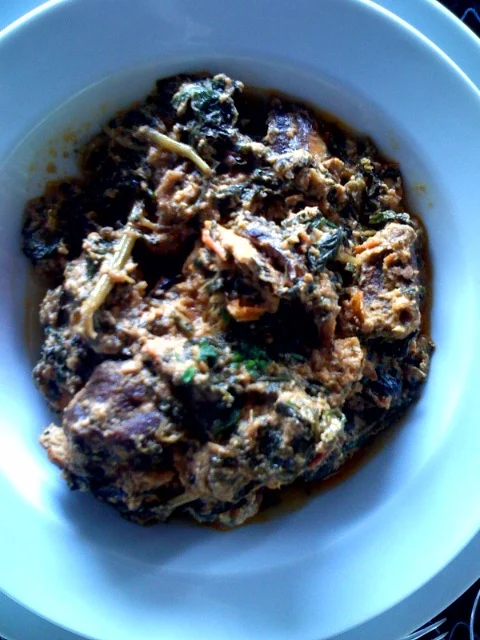
A beloved yam dish served with a rich peanut soup, central to Sokode cuisine. A hearty spinach stew, cooked with beef or goat meat. A spicy grilled chicken dish marinated with vibrant spices and herbs. A comforting corn-based porridge often mixed with vegetables and served warm. A popular fried cheese made from fresh milk, often enjoyed as a snack.
Traditional Local Food
Sokode (Togo)
🌿
Main course
Vegetarian
Fufu Souma
foo-foo so-mah
· Traditional yam and peanut soup
 Main course
Meat
Gboma Dessi
gboh-mah dess-ee
· Spinach and meat stew
Main course
Meat
Koklo Meme
koh-kloh mem-ay
· Spicy grilled chicken
🌿
Main course
Vegetarian
Koko Dessi
koh-koh de-see
· Corn porridge with vegetables
Snack
Vegetarian
Wagashi
wah-gah-shee
· Fried cheese snack