Explore Guides
AFRICA / TANZANIA
Triplandio Zanzibar guide covers 11 travel guides across 23 areas, complete with hotel picks. Explore 39 self-guided walking tours in Zanzibar with 73 POI, spanning 121 km in total. Get inspired by 47 local dishes, complete with recipes and our unique Food Flavour DNA graph.
Zanzibar
City & Country Data Zanzibar (Tanzania)

Key travel data for Zanzibar — local prices, safety, healthcare, local currency and essentials, curated by Triplandio.
🌍 Tanzania
Tourists
1.5M/y
GDP/cap
$1.3k
Life Exp
67.2 yrs
Population
70.5M
Currency
TZS Tsh
Language
Swahili
Payments
Cash only
Emergency
112
💰 Prices in Zanzibar
Coffee
$2.47
Beer
$1.92
Lunch
$4.80
Groceries
$15.00/w
Taxi/km
$0.50
Transit
$0.50
Fuel
$1.00/l
Internet
$40.00/m
Salary
$500/m
Travel tipsZanzibar (Tanzania)

Quick tips
- Don't film or post about protests — Critical
Taking or sharing photos and videos of protests or violence is illegal in Tanzania, and people have been detained over social media posts. Police may also check your phone, so avoid political topics online and in public.
- Plastic bags are banned — Caution
Tanzania bans plastic carrier bags. If you arrive by air you will be asked to hand over any plastic bags, so pack in fabric or paper bags; clear zip-lock bags for airport liquids are allowed.
- Taking seashells home is illegal — Caution
Exporting wildlife items, including horns, skins and even seashells, needs a certified export permit. Foreigners have been arrested or fined at Tanzanian airports for carrying them without one.
- Zanzibar fines for revealing clothes — Caution
Zanzibar's authorities can fine visitors 700 US dollars or more for clothing they consider inappropriate in public. Cover shoulders and knees away from resort beaches, especially in Stone Town.
- Zanzibar requires its own travel insurance — Good to know
Every visitor to Zanzibar must buy the mandatory Inbound Travel Insurance from the Zanzibar Insurance Corporation (ZIC). Your own travel insurance is not accepted instead, and you can be refused entry without it.
- Do
- Buy the Zanzibar travel insurance
- Greet people before asking
- Cover shoulders and knees in towns
- Take malaria precautions
- Carry copies of passport and visa
- Don’t
- Pack plastic carrier bags
- Film or post about protests
- Take seashells or horns home
- Walk alone after dark
- Photograph police or soldiers
Critical
Prison or heavy penalty possible
Laws & fines
- Drug penalties are harsh — Critical
Possessing even small amounts of any drug, including cannabis, can bring a long prison sentence in Tanzania. Airports scan bags, including those of transit passengers.
- Your phone may be searched — Critical
Tanzanian security services may check phones for content linked to the 2025 election unrest. Police say holding or sharing images that “cause panic or degrade a person's dignity” is an offence.
- Same-sex relationships are illegal — Critical
Same-sex sexual activity is illegal throughout Tanzania, including Zanzibar. Public affection between same-sex couples, such as holding hands or kissing, can lead to arrest or prison.
Entry & visa
- Overstaying leads to arrest — Critical
If you overstay your Tanzanian visa you can be arrested, detained and fined before being deported. Track your permitted dates carefully.
Beaches & adventure
- Stay in the vehicle on safari — Critical
Lions, elephants and buffalo in Tanzania's parks are wild and dangerous. Stay inside the vehicle unless your guide says it is safe, and never walk around camps alone at night.
- Kilimanjaro: altitude sickness — Critical
Kilimanjaro reaches 5,895 m, and altitude sickness is the main danger. Choose a longer route with acclimatisation days and a licensed operator; turn back if symptoms worsen.
- Road travel is dangerous — Critical
Reckless driving makes fatal crashes common in Tanzania, and park tracks can become impassable after rain. Avoid roads outside towns at night; motorbike taxis (boda bodas), tuk-tuks (bajajis) and dala dala minibuses are rarely insured.
- Stay away from the Mozambique border — Critical
Several governments, including the UK, advise against all but essential travel within 20 km of the border with Mozambique's Cabo Delgado province because of attacks by extremist groups.
Caution
Fines, losses or injury possible
Scams & safety
- Travel advisory: Level 3 of 4 — Caution
Reconsider Travel — the U.S. State Department's rating for Tanzania.
- Beach boys selling tours — Caution
Young men on Zanzibar's beaches, known as beach boys, sell boat trips, spice tours and more at inflated prices. Book through your hotel or a known operator and agree the price beforehand.
- Stone Town lanes at night — Caution
Robberies have been reported in Stone Town and on tourist beaches around Zanzibar. After dark, take a taxi rather than walking through quiet lanes or empty beaches.
- Sexual harassment on beaches — Caution
Women on Zanzibar's beaches, especially alone, report persistent harassment and some assaults. Avoid isolated beaches after dark and be wary of offers of rides or drinks.
Laws & fines
- Don't bring animal-skin items — Caution
Bringing animal-skin bags, belts or accessories into Tanzania can lead to questioning or detention when you leave. Leave them at home and don't buy them as souvenirs.
Tipping & money
- Use ATMs inside banks — Caution
Card payments work mainly in hotels and lodges. Use ATMs inside banks in daylight to avoid card cloning; machines sometimes break down or run empty, so carry some backup US dollars.
Health
- Malaria is a risk — Caution
Malaria is present across most of Tanzania, including Zanzibar. See a travel clinic about antimalarial tablets, use repellent and sleep under a net or in screened rooms.
- Avoid swimming in lakes and rivers — Caution
Freshwater lakes and rivers in Tanzania can carry schistosomiasis (bilharzia), a parasitic infection, and many also hold crocodiles or hippos. Swim in the sea or in pools.
Beaches & adventure
- Choose a reputable safari operator — Caution
Cheap safaris can mean unsafe vehicles, unlicensed guides and hidden park fees. Book an established operator, ideally a member of the Tanzania Association of Tour Operators (TATO).
Good to know
Rules and useful facts
Scams & safety
- Unlicensed dolphin and turtle trips — Good to know
Some cheap boat trips from Kizimkazi chase dolphins and use boats without life jackets. Choose operators that keep their distance and provide safety kit.
Laws & fines
- Carry copies of your passport and visa — Good to know
Police and immigration officers in Tanzania can ask for ID at any time. Carry copies of your passport photo page and visa, and keep the originals somewhere you can reach quickly.
Customs
- Respect Ramadan — Good to know
During the holy month of Ramadan, avoid eating, drinking or smoking in public outside hotels and restaurants, especially in Zanzibar. Many local cafés close in the daytime.
Tipping & money
- Bring clean, newer US dollar notes — Good to know
US dollars are widely used for safaris, park fees and visas in Tanzania, but older, torn or marked notes are often refused. Use shillings for everyday purchases.
Entry & visa
- Get an e-visa before you fly — Good to know
Most visitors need a visa for Tanzania. Apply online for the official e-visa before travelling; a single-entry tourist visa is also sold on arrival at main airports, but not a multiple-entry one.
- Passport valid for 6 months — Good to know
Your passport must be valid for at least 6 months after you arrive in Tanzania and have at least one blank page.
- Show an onward ticket — Good to know
Tanzanian border officers can ask for a return or onward ticket, so keep a copy on your phone or printed.
- Health screening at the border — Good to know
Arrivals face temperature checks for mpox, with extra screening for travellers coming from Uganda or the Democratic Republic of Congo because of Ebola.
Health
- Yellow fever certificate — Good to know
You need a yellow fever vaccination certificate to enter Tanzania if you arrive from a country with yellow fever risk, including after a transit of more than a few hours there.
- Drink bottled or treated water — Good to know
Tap water in Tanzania is not safe to drink. Use bottled or treated water, and be wary of ice and raw salads outside good hotels; cholera outbreaks occur.
- Medical care is limited — Good to know
Good hospitals are mainly in Dar es Salaam; care is basic elsewhere. Take insurance that covers medical evacuation, and call 112 for an ambulance.
Local tips
Local know-how
Getting around
- Zanzibar Airport (ZNZ) to Stone Town — Local tip
Abeid Amani Karume International Airport (ZNZ) is about 15–20 minutes by taxi from Stone Town. Beaches in the north and east are about 1–1.5 hours away, so arrange a hotel transfer.
- Ferry from Dar es Salaam — Local tip
Fast ferries from Dar es Salaam dock at Stone Town port in about 2 hours. Keep your passport handy, as Zanzibar runs its own immigration check on arrival.
- Agree taxi prices in advance — Local tip
Zanzibar taxis have no meters. Agree the fare before you set off, or book through your hotel for longer trips across the island.
- Dala-dalas for the adventurous — Local tip
Open-sided minibus trucks called dala-dalas run from Stone Town's Darajani terminal to most villages. They are very cheap, slow and crowded.
Customs
- Dress modestly outside resorts — Local tip
Tanzania is conservative, and Zanzibar and Pemba are mostly Muslim. Away from beaches and safari lodges, wear clothes that cover shoulders and knees.
- Greet before you ask — Local tip
Tanzanians expect a greeting before any question or request. Start with “Jambo” or “Habari” and a handshake; jumping straight to business seems rude.
- Ask before photographing people — Local tip
Always ask before taking photos of people, especially Maasai and other villagers, who may expect a small payment. Never photograph police or soldiers.
Tipping & money
- Tip safari guides and mountain crews — Local tip
Tips are an important part of pay for safari guides, cooks and Kilimanjaro porters. Ask your operator for their guideline before you go — it is usually given per day in US dollars.
- Bargain at markets and with touts — Local tip
Haggling is normal at markets, curio shops and with beach sellers. Agree taxi fares before you get in, as most Tanzanian taxis have no meter.
Beaches & adventure
- Watch for sea urchins and tides — Local tip
Wear water shoes on Zanzibar's reefs, where sea urchins are common, and check tide times, as the sea can retreat far out and come back quickly.
Say it locally
Always greet before asking anything, and add “tafadhali” (please); greet elders with “shikamoo”.
Through the year
Festival or season Public holiday (exact date)
- Short rains
Oct–Dec 2026 · Shorter rains from October to mid-December; travel is still possible, and the parks are greener and quieter.
- Republic Day
Wed 9 Dec 2026 · Public holiday
- Christmas Day
Fri 25 Dec 2026 · Public holiday
- Boxing Day
Sat 26 Dec 2026 · Public holiday
- Calving season
Jan–Feb 2027 · Wildebeest give birth on the southern Serengeti plains, drawing lions and cheetahs; a good, less crowded time for safaris.
- New Year's Day
Fri 1 Jan 2027 · Public holiday
- Zanzibar Revolution Day
Tue 12 Jan 2027 · Public holiday
- Ramadan
Feb–Mar 2027 · The Muslim holy month falls in February–March in 2026 and 2027 and moves about 11 days earlier each year; in Zanzibar many local restaurants close by day and dress rules matter even more.
- Sauti za Busara
Feb 2027 · A popular African music festival usually held in Stone Town in February; book accommodation early.
- Long rains
Mar–May 2027 · Heavy rain makes some roads impassable, and some safari camps and Zanzibar hotels close or cut prices; April is usually the wettest month.
- Eid el Fitri (tentative)
Wed 10 Mar 2027 · Public holiday
- Eid el Fitri Holiday (tentative)
Thu 11 Mar 2027 · Public holiday
- Good Friday
Fri 26 Mar 2027 · Public holiday
- Easter Monday
Mon 29 Mar 2027 · Public holiday
- Karume Day
Wed 7 Apr 2027 · Public holiday
- Union Day
Mon 26 Apr 2027 · Public holiday
- Labour Day
Sat 1 May 2027 · Public holiday
- Eid al-Adha (tentative)
Mon 17 May 2027 · Public holiday
- Dry season safaris
Jun–Oct 2027 · The best months for game viewing in Tanzania, when animals gather near water; parks and lodges are busiest and prices highest.
- Mara River crossings
Jul–Oct 2027 · The Great Migration's river crossings in the northern Serengeti usually happen in these months, though timing depends on the rains.
- Zanzibar International Film Festival
Jul 2027 · Films and concerts in Stone Town's Old Fort, usually in July; the town is busier than usual.
- Saba Saba
Wed 7 Jul 2027 · Public holiday
- Farmers' Day
Sun 8 Aug 2027 · Public holiday
- Maulid (tentative)
Sun 15 Aug 2027 · Public holiday
- Mwalimu Nyerere Day
Thu 14 Oct 2027 · Public holiday
Sources: GOV.UK travel advice · U.S. State Dept · Google public holidays
Best time to visit Zanzibar (Tanzania)
Now (November) avg high: 29°C, wetter month, moderate crowds. Best months to walk: Feb & Jul.
Live Temp
…
~Day / Night Temp
29°C / 24°C
Sunrise / Sunset
5:56 / 18:17
Local time
22:28
Sea Temp
29°C
Best Months  Feb & Jul
J
Jan
F
Feb
M
Mar
A
Apr
M
May
J
Jun
J
Jul
A
Aug
S
Sep
O
Oct
N
Nov
 D
Dec
M
Mar
A
Apr
M
May
J
Jun
J
Jul
A
Aug
S
Sep
O
Oct
N
Nov
D
Dec
Check Zanzibar hotels
Temperature
Average daytime high, month by month. Zero line marks freezing point.
Crowds
How busy it gets — traveller interest by month.
Sea temperature
Sea warmth for swimming, by month.
Rainfall
Rainy days to expect each month.
Sunshine
Hours of sun per day, by month.
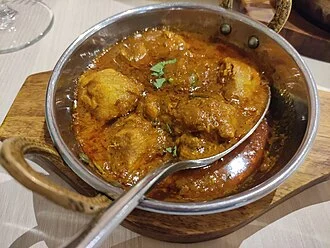
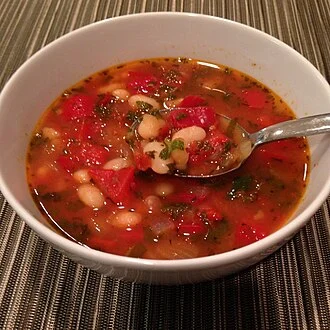
Savory curry with green bananas and spices. A sweet dessert pudding made from cassava and coconut. A creamy, hearty soup made with cassava and coconut milk, infused with spices. A sweet and soft bread infused with coconut flavor. A creamy fish curry made with coconut milk and spices. Char-grilled octopus served with a tangy sauce. A tender octopus dish cooked with spices and coconut, typical of Zanzibar. A rich prawn curry steeped in spices and coconut milk. Spiced rice cooked with meat or vegetables, widely enjoyed in Zanzibar. A richly spiced coffee with hints of cardamom and cinnamon. A hearty soup of beans cooked in rich coconut milk. A street food dish, a stuffed, pan-fried flatbread with fillings. Beans slow-cooked in a creamy coconut sauce, a staple comfort dish. A fragrant tea brewed with a blend of spices unique to Zanzibar.
Traditional Local Food
Zanzibar (Tanzania)
 Main course
Vegetarian
Banana Curry
Ndizi na Kukaanga
n-dih-zee nah koo-kah-anga
🌿
Dessert
Vegetarian
Cassava and Coconut Pudding
Kaimati ya Muhogo
kai-mah-tee yah moo-ho-go
🌿
Soup
Vegetarian
Cassava and Coconut Soup
Muhogo wa Nazi
Moo-ho-go wah Nah-zee
🌿
Bread
Vegetarian
Coconut Bread
Mkate wa Nazi
M-kah-teh wah NAH-zee
🐟
Main course
Fish & Seafood
Coconut-fish Curry
Mtuzi wa Samaki
m-too-zee wa sa-mah-kee
🐟
Street food
Fish & Seafood
Grilled Octopus
Pweza wa Kuchoma
pweh-ZAH wah koo-CHO-mah
Main course
Fish & Seafood
Octopus Curry
Mchuzi wa Pweza
m-choo-zee wa pwe-zah
· Spiced coconut octopus curry
Main course
Fish & Seafood
Prawn Curry
Mchuzi wa Kamba
muh-CHOO-zee wah KAM-bah
Main course
Meat
Spice Pilau
Pilau ya Viungo
pee-lau yah vee-oong-goh
Drink
Vegan
Spiced Coffee
Kahawa ya Zinj
ka-ha-wah yah zeen-j
🌱
Soup
Vegan
Zanzibar Coconut Bean Soup
Mchuzi wa Maharage na Nazi
Mm-choo-zee wah Mah-ha-rah-geh nah Nah-zee
🥩
Snack
Meat
Zanzibar Pizza
Pizza za Zanzibar
pee-zah zah zan-zee-bar
🌱
Main course
Vegan
Zanzibari Coconut Beans
Maharage ya Nazi
mah-ha-rah-gay yah nah-zee
Drink
Vegan
Zanzibari Spice Tea
Chai ya Zanzibar
Chai yah Zanzee-bar