Explore Guides
SOUTH AMERICA / BRAZIL
Triplandio Belo Horizonte guide covers 3 travel guides across 10 areas, complete with hotel picks. Explore 12 self-guided walking tours in Belo Horizonte with 29 POI, spanning 34.5 km in total. Get inspired by 4 local dishes, complete with recipes and our unique Food Flavour DNA graph.
Belo Horizonte
City & Country Data Belo Horizonte (Brazil)

Key travel data for Belo Horizonte — local prices, safety, healthcare, local currency and essentials, curated by Triplandio.
🌍 Brazil
Safety
16
Health
49
Lifestyle
56
Infra
44
Rank
#70
Score
35
Tourists
6.4M/y
GDP/cap
$10.7k
Life Exp
76.0 yrs
Population
212.8M
Currency
BRL R$
Language
Portuguese
Payments
Cards OK
Emergency
190
💰 Prices in Belo Horizonte
Coffee
$2.00
Beer
$2.00
Lunch
$6.00
Groceries
$30.00/w
Taxi/km
$0.75
Transit
$1.00
Fuel
$1.25/l
Internet
$20.00/m
Salary
$500/m
Travel tipsBelo Horizonte (Brazil)

Quick tips
- Never enter a favela, even on a tour — Critical
Several governments, including the UK, advise avoiding all favelas (informal hillside neighbourhoods), including tours, hostels and bars inside them. Tourists have been shot after entering one by mistake, often by following GPS directions.
- Hand over valuables if robbed — Critical
Armed robberies are common in Brazilian cities, and attackers may be on drugs. If threatened, hand over your phone and money without resisting.
- Spirits can contain deadly methanol — Critical
People in Brazil have died after drinking spirits contaminated with methanol, which can't be detected by taste or smell. Take care with gin, vodka and whisky, and get urgent help if you feel ill after drinking.
- Vapes are illegal in Brazil — Caution
All e-cigarettes and vaping devices are banned in Brazil, including refills, parts and accessories. Customs officers can confiscate them from your hand luggage or checked bags.
- Make sure your passport is stamped — Good to know
Check that the border officer stamps your passport when you arrive in Brazil. Without a stamp you may be fined when you leave.
- Do
- Carry a copy of your passport
- Keep your phone out of sight
- Check the card machine amount
- Swim where lifeguards are on duty
- Get your passport stamped
- Don’t
- Bring a vape
- Enter a favela or follow GPS into one
- Resist a robber
- Take valuables to the beach
- Make the “OK” hand sign
Critical
Prison or heavy penalty possible
Laws & fines
- Drug penalties are severe — Critical
Bringing any quantity of drugs into or out of Brazil is illegal and means long prison sentences. Airport scanners in Brazil detect drugs, including cannabis, in transit passengers' bags too.
- Never carry a package for someone — Critical
Fraudsters offer money to travel to Brazil and carry items home; these usually contain drugs. Anyone caught is detained for drug trafficking, whatever their story.
- Drink-driving can mean prison — Critical
Brazil's “Lei Seca” (dry law) allows effectively no alcohol for drivers, and police set up frequent checkpoints. Penalties range from fines and a 12-month driving ban to up to 3 years in prison.
- Sex with anyone under 18 is a crime — Critical
All sexual activity with people under 18 is illegal for foreigners in Brazil, whatever the local age of consent. Your home country may also prosecute you.
Beaches & adventure
- Respect shark warning signs in Recife — Critical
Shark attacks have killed swimmers on beaches around Recife in north-east Brazil, sometimes in only waist-deep water. Stay out where warning signs are posted and ask lifeguards if unsure.
- Avoid remote western Amazon rivers — Critical
Several governments, including the UK, advise against all but essential travel on several rivers in western Amazonas state, including the Japurá, the Itaquaí and the Rio Negro north or west of Barcelos. Amazon lodge trips near Manaus are not affected.
- Driving: lock doors, avoid night stops — Critical
Carjackings happen in Brazil at traffic lights, in tunnels and on major roads. Keep doors locked and windows closed, and don't stop at the roadside outside cities at night.
- Flash floods and landslides after heavy rain — Critical
Heavy rain in Brazil causes flash floods and deadly landslides, especially where mountains meet the coast, as around Rio. Follow official alerts, avoid road travel in heavy rain and never cross fast-flowing water.
Caution
Fines, losses or injury possible
Scams & safety
- Phone snatching in the centre — Caution
In Belo Horizonte's busy centre, around Praça Sete and the main shopping streets, thieves snatch phones and bags. Keep your phone away and bags in front of you.
- Crowds at Carnival street parties — Caution
Belo Horizonte's Carnival street parties (blocos) draw huge crowds, and pickpockets follow. Carry only a copy of your ID, a little cash and a cheap phone.
Tipping & money
- Check the card machine before you pay — Caution
Card cloning and payment-machine scams are common in Brazil, especially at beach kiosks and busy tourist spots. Keep your card in sight and check the amount on screen before you pay.
- Use cash machines inside banks — Caution
Cash machines in Brazil can be fitted with card-cloning devices. Use machines inside banks or shopping centres in daylight, and avoid any that look tampered with.
- Agree prices with beach vendors — Caution
Beach vendors in Brazil have overcharged tourists. Ask the price of drinks, chairs and umbrellas before you order, and check the total before paying.
Entry & visa
- Overstaying means a daily fine — Caution
If you stay in Brazil beyond your permitted time, you are fined for every extra day. To extend a tourist stay, contact the Federal Police before it runs out.
- Declare cash of US$10,000 or more — Caution
If you bring cash or travellers' cheques worth 10,000 US dollars or more into Brazil, you must declare it online.
Beaches & adventure
- Leave valuables away from the beach — Caution
Thefts are common on Brazilian city beaches, including mass robberies (arrastões) where groups run through grabbing belongings. Take only what you need, and don't go on city beaches after dark.
- Strong currents at many beaches — Caution
Many Brazilian ocean beaches have powerful waves and rip currents. Swim where lifeguards are on duty and follow their flags and whistles.
- Forest fire season, May to September — Caution
Forest fires are common in Brazil in the dry season, especially in July and August, and spread unpredictably. Check local alerts before travelling to rural or forest areas and follow official advice.
Good to know
Rules and useful facts
Scams & safety
- Quiet downtown streets at night — Good to know
The centre of Belo Horizonte empties after offices close. At night, stay in busier areas such as Savassi and Lourdes and use app rides.
Getting around
- Pampulha airport for some domestic flights — Good to know
A few domestic flights use Pampulha airport, much closer to the city. Check which airport is on your ticket before booking a transfer.
Laws & fines
- Carry a copy of your passport — Good to know
Always carry a copy of your passport and another photo ID if you have one in Brazil. Leave the original passport in your hotel safe.
- Stay away from protests — Good to know
Protests and strikes are regular in Brazilian cities, and police use rubber bullets and tear gas. Leave the area if a demonstration starts.
- Same-sex couples have equal rights — Good to know
Same-sex relationships and marriage are legal in Brazil, and São Paulo and Rio hold huge, peaceful Pride events. Attitudes are more conservative outside big cities, and harassment and violence are reported.
Tipping & money
- Pink-stained notes may be fake — Good to know
If a Brazilian cash machine gives you notes with pink marks, go to the bank or police at once to swap them; they may be marked as damaged or counterfeit.
Entry & visa
- Passport valid for 6 months — Good to know
Your passport must be valid for at least 6 months after the date you arrive in Brazil.
- Visa rules depend on your passport — Good to know
British and many other European visitors can stay in Brazil for up to 90 days without a visa. US, Canadian and Australian citizens need an e-visa (applied for online) — check your own nationality before booking.
- Children travelling without both parents — Good to know
Under-18s travelling in Brazil without one or both parents should carry parental authorisation and the original or notarised copy of their birth certificate.
Health
- Call 192 for an ambulance — Good to know
Dial 192 in Brazil for an ambulance and 190 for the police. Contact your insurer quickly if you are taken to hospital.
- Yellow fever vaccination — Good to know
Yellow fever is a risk in many parts of Brazil. Check vaccine advice at least 8 weeks before your trip — most visitors to rural and forest areas are advised to have the jab.
- Mosquito-borne diseases — Good to know
Dengue, chikungunya and Oropouche fever are spread by insects in Brazil. Use repellent day and night, cover up and choose rooms with screens or air conditioning.
- Strong sun all year — Good to know
UV levels in Brazil are high even on cloudy days. Use high-factor sunscreen, a hat and shade in the middle of the day, and drink plenty of water.
- Private hospitals need proof of payment — Good to know
Public hospitals in Brazil treat foreign visitors in emergencies but are often overcrowded. Private hospitals won't admit you without proof of insurance or funds, so travel insurance is essential.
- Bring your own medicines — Good to know
Some medicines are hard to find in Brazil and counterfeit drugs circulate. Bring enough for your whole trip, with a prescription or doctor's letter.
Local tips
Local know-how
Getting around
- Confins airport (CNF) to the city — Local tip
Belo Horizonte's main airport, Confins, is about 40 km north of the city. Airport coaches and taxis or app rides take around 45–70 minutes, depending on traffic.
- Getting around Belo Horizonte — Local tip
Belo Horizonte is hilly and its metro has only one line. Uber and 99, a Brazilian ride-hailing app, are the easiest way between neighbourhoods.
- Day trips to Inhotim and Ouro Preto — Local tip
The Inhotim art park and the colonial town of Ouro Preto are popular day trips from Belo Horizonte by tour, bus or hire car. Allow roughly 1–2 hours each way.
Customs
- Brazilians speak Portuguese, not Spanish — Local tip
Portuguese is Brazil's language. A few words of Portuguese are warmly received; opening in Spanish can feel like you've mixed up countries.
- Avoid the “OK” hand sign — Local tip
The thumb-and-finger circle meaning “OK” is an obscene gesture in Brazil. Use a thumbs-up instead, which Brazilians use all the time.
- Greetings are warm — Local tip
Brazilians greet friends with a hug or kisses on the cheek — one in some cities, two in others. A handshake is fine when meeting someone formally.
- Time is relaxed socially — Local tip
Arriving 30 minutes late to a party in Brazil is normal. For tours, flights and business meetings, be on time.
Tipping & money
- 10% service is usually on the bill — Local tip
Most Brazilian restaurants add a 10% service charge (serviço) to the bill. It's optional, and you don't need to tip on top unless service was exceptional.
Say it locally
Brazilians are informal and warm: a smile and “tudo bem?” (all good?) go a long way.
Through the year
Festival or season Public holiday (exact date)
- Rainy season
Oct 2026–Mar 2027 · Heavy afternoon storms can flood streets and cause landslides on hills around the city.
- All Souls' Day
Tue 2 Nov 2027 · Public holiday
- Republic Proclamation Day
Sun 15 Nov 2026 · Public holiday
- Black Awareness Day
Fri 20 Nov 2026 · Public holiday
- Summer high season
Dec 2026–Feb 2027 · Brazilian school holidays and summer heat fill beaches and push up prices, with afternoon storms in Rio and São Paulo.
- Christmas Eve (from 2pm)
Thu 24 Dec 2026 · Public holiday
- Christmas Day
Fri 25 Dec 2026 · Public holiday
- New Year's Eve (from 2pm)
Thu 31 Dec 2026 · Public holiday
- Amazon rainy season
Jan–May 2027 · Heavy rain and high rivers around Manaus; forest trails flood but boat access improves.
- New Year's Day
Fri 1 Jan 2027 · Public holiday
- Carnival
Feb–Mar 2027 · The biggest party of the year, with parades in Rio, Salvador, Recife and Olinda; prices soar, many businesses close and pickpockets target crowds. Dates move with Easter.
- Carnival Monday
Mon 8 Feb 2027 · Public holiday
- Carnival Tuesday
Tue 9 Feb 2027 · Public holiday
- Carnival end (until 2pm)
Wed 10 Feb 2027 · Public holiday
- Good Friday
Fri 26 Mar 2027 · Public holiday
- North-east coast rains
Apr–Jul 2027 · Salvador, Recife and Fortaleza get most of their rain in these months; the rest of the year is drier.
- Tiradentes Day
Wed 21 Apr 2027 · Public holiday
- Labor Day
Sat 1 May 2027 · Public holiday
- Corpus Christi
Thu 27 May 2027 · Public holiday
- Festas Juninas
Jun 2027 · June festivals with bonfires, dancing and food, biggest in the north-east around Campina Grande and Caruaru.
- Pantanal dry season
Jul–Oct 2027 · Best months for wildlife viewing in the Pantanal wetlands, as animals gather at the remaining water.
- Independence Day
Tue 7 Sep 2027 · Public holiday
- Our Lady of Aparecida / Children's Day
Tue 12 Oct 2027 · Public holiday
- Public Service
Thu 28 Oct 2027 · Public holiday
Sources: GOV.UK travel advice · Google public holidays
Best time to visit Belo Horizonte (Brazil)
Now (November) avg high: 28°C, wetter month, full season — expect crowds. Best months to walk: May & Sep.
Live Temp
…
~Day / Night Temp
28°C / 18°C
Sunrise / Sunset
5:11 / 18:08
Local time
16:33
Best Months  May & Sep
J
Jan
F
Feb
M
Mar
A
Apr
M
May
J
Jun
J
Jul
A
Aug
S
Sep
O
Oct
N
Nov
 D
Dec
J
Jun
J
Jul
A
Aug
S
Sep
O
Oct
N
Nov
D
Dec
Check Belo Horizonte hotels
Temperature
Average daytime high, month by month. Zero line marks freezing point.
Crowds
How busy it gets — traveller interest by month.
Rainfall
Rainy days to expect each month.
Sunshine
Hours of sun per day, by month.
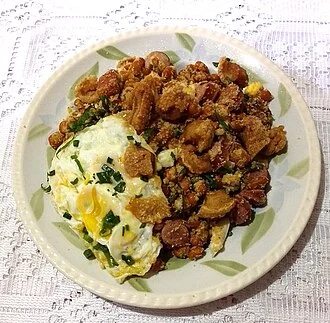
A sweet, rich caramel made from milk and sugar, eaten on its own or as a dessert topping. A large, hearty pie filled with meats, vegetables, and cheese hallmark of Minas Gerais cuisine. A hearty blend of beans, sausage, and greens, often served as a main course. Cheese-filled dough balls made from cassava flour.
Traditional Local Food
Belo Horizonte (Brazil)
Dessert
Vegetarian
Doce de Leite
DOH-seh deh LAY-chee
· Milk Caramel
🥩
Main course
Meat
Empadão Mineiro
Eh-pah-DOWN Mee-NEH-roh
· Minas Gerais Savory Pie
Main course
Meat
Feijão Tropeiro
Fay-ZHAW Troh-PAY-roh
· Bean and Sausage Stir
Snack
Vegetarian
Pão de Queijo
Pown-deh-KAY-zhoo
· Cheese Bread