Explore Guides
EUROPE / BELGIUM
Triplandio Brussels guide covers 10 travel guides across 28 areas, complete with hotel picks. Explore 40 self-guided walking tours in Brussels with 98 POI, spanning 83.8 km in total. Get inspired by 29 local dishes, complete with recipes and our unique Food Flavour DNA graph.
Brussels
City & Country Data Brussels (Belgium)

Key travel data for Brussels — local prices, safety, healthcare, local currency and essentials, curated by Triplandio.
🌍 Belgium
Safety
86
Health
94
Lifestyle
73
Infra
87
Rank
#13
Score
67
Tourists
2.6M/y
GDP/cap
$60.8k
Life Exp
82.3 yrs
Population
11.9M
Currency
EUR €
Language
Dutch
Payments
Cashless
Emergency
112
💰 Prices in Brussels
Coffee
$3.50
Beer
$5.00
Lunch
$15.00
Groceries
$50.00/w
Taxi/km
$1.50
Transit
$2.50
Fuel
$1.60/l
Internet
$100.00/m
Salary
$3,000/m
Travel tipsBrussels (Belgium)

Quick tips
- Cannabis is not legal — Critical
Unlike in the neighbouring Netherlands, possessing or using cannabis and other drugs is a serious offence in Belgium. Penalties include prison sentences from 3 months and heavy fines, also for passengers in transit.
- Face coverings are illegal in public — Caution
Clothing that hides the face, such as a burka or niqab, is banned in public places in Belgium. The fine is up to 137 euros and up to 7 days' detention, with no exception for tourists.
- Pickpockets at Brussels stations — Caution
Thieves target travellers at Brussels-Midi, the Eurostar terminal, and Brussels-Nord, and on Paris and Amsterdam trains. Keep bags in sight, especially just before train doors close.
- Carry your passport at all times — Good to know
Belgian law requires visitors to carry their passport, not just a copy, and police run extra identity checks on trains, buses and roads near the borders.
- Strikes can stop trains at short notice — Good to know
National and public-sector strikes are frequent in Belgium and can halt trains, trams and flights, sometimes announced only days ahead. Check the news and your transport operator before travel days.
- Do
- Carry your passport, not a copy
- Check for strikes before travel days
- Stay on paths at war sites
- Give way to traffic from the right
- Ask for tap water if you want it
- Don’t
- Bring cannabis from the Netherlands
- Take unlicensed taxis
- Walk in the cycle lanes
- Speak French to Flemish people first
- Ride an e-scooter on the pavement
Critical
Prison or heavy penalty possible
Coast & outdoors
- Wartime shells near Ypres — Critical
Unexploded First World War shells still surface in the fields around Ypres (Ieper) in West Flanders. On battlefield visits stay on footpaths, never touch anything that looks like munitions and tell the police.
Caution
Fines, losses or injury possible
Scams & safety
- Thieves at Midi and Nord stations — Caution
Brussels-Midi (the Eurostar terminal) and Brussels-Nord are hotspots for pickpockets, bag thieves and occasional violent robbery. Keep your bags zipped and in front of you, and avoid lingering around the stations at night.
- Restaurant touts on Rue des Bouchers — Caution
Waiters on Rue des Bouchers, the restaurant lane off the Grand-Place, pull passers-by in with ‘special menus’ that end in inflated bills. Check prices on the printed menu or eat elsewhere.
- Distraction tricks in crowds — Caution
In the crowds around the Grand-Place and Manneken Pis, one person may ask for directions or bump into you while another takes a wallet or phone. Keep valuables in a front pocket.
Laws & fines
- Use only licensed taxis — Caution
In Belgium, take taxis only from official ranks or book them by phone or app. Never get into a car that stops in the street to offer you a ride.
- E-scooter rules — Caution
Shared electric scooters in Belgium are limited to 25 km/h. Riding on the pavement or with a passenger is illegal, and under-16s may not ride them except in designated areas.
Entry & visa
- No meat or dairy into the EU — Caution
You cannot bring meat, milk or products containing them into Belgium from outside the EU. Baby milk and medically required foods are exceptions.
Coast & outdoors
- Priority to the right — Caution
At Belgian junctions without signs or road markings, traffic coming from your right has priority, even from small side streets. Drive on the right, and expect speed cameras and unmarked police cars.
- Low emission zones for cars — Caution
Brussels, Ghent and Antwerp have low emission zones (LEZ). Foreign-registered cars must be registered online in advance, or you risk a fine.
- Swim only at guarded beaches — Caution
The Belgian North Sea coast has strong tides and cold water. Swim only in zones watched by lifeguards, usually staffed in summer, and follow the flags.
- Car break-ins at traffic lights — Caution
Thieves on motorbikes sometimes smash car windows at traffic lights in Belgian cities and grab bags from the seats. Keep valuables out of sight and the doors locked.
Good to know
Rules and useful facts
Scams & safety
- Travel advisory: Level 2 of 4 — Good to know
Exercise Increased Caution — the U.S. State Department's rating for Belgium.
- Drug use in metro stations — Good to know
Open drug use and dealing can be seen in some Brussels train and metro stations. It rarely targets tourists, but stay alert and choose busy carriages late at night.
Getting around
- Charleroi Airport (CRL) is far out — Good to know
Many budget flights use Brussels South Charleroi Airport, about 60 km south of Brussels. Shuttle buses run to Brussels-Midi in about an hour; there is no direct train.
Laws & fines
- Terrorism threat is serious — Good to know
Belgium's national threat level is 3 out of 4, called ‘Serious’. Expect armed police at stations and events, stay alert in crowds and follow instructions from the authorities.
- Avoid demonstrations — Good to know
Protests are common in Brussels, especially around the EU quarter (Schuman). Most are peaceful but some turn violent, as can crowds after big football matches. Move away if tension builds.
- Proof of parenthood for children — Good to know
Adults travelling with children under 18 in Belgium may be asked to prove their relationship. Carry a birth certificate, especially if you and the child have different surnames.
Entry & visa
- 90 days in any 180 in Schengen — Good to know
Belgium is in the Schengen area. Visitors from visa-free countries can stay up to 90 days in any 180-day period across all Schengen countries combined. Overstaying can bring a ban of up to 3 years.
- Check your passport dates — Good to know
For Belgium and the rest of Schengen, your passport must have been issued less than 10 years before you arrive and be valid for at least 3 months after you plan to leave.
- Fingerprints at the border — Good to know
The EU's new Entry/Exit System (EES) records your fingerprints and photo instead of stamping your passport. The first check takes longer, so allow extra time at the border and before flights home.
- Declare 10,000 euros or more — Good to know
If you carry 10,000 euros or more in cash, or the same value in other currencies, into or out of Belgium from outside the EU, you must fill in a customs declaration.
Health
- Tap water is safe — Good to know
Tap water in Belgium is safe to drink. Restaurants usually serve bottled water, so ask specifically for tap water if you want it.
- Emergency number 112 — Good to know
Dial 112 in Belgium for an ambulance, the fire service or police. Contact your insurer quickly if you are sent to hospital.
- Bring a GHIC or EHIC — Good to know
EU visitors need a European Health Insurance Card (EHIC) and UK visitors a Global Health Insurance Card (GHIC) or EHIC for state healthcare in Belgium. You still pay a fee for non-emergency doctor visits and prescriptions.
- Ticks in the Ardennes — Good to know
Ticks in the forests and long grass of the Ardennes and other rural areas can spread Lyme disease. Wear long trousers on hikes and check your skin afterwards.
Local tips
Local know-how
Getting around
- Brussels Airport (BRU) by train — Local tip
Trains from Brussels Airport (Zaventem) reach Brussels-Nord, Central and Midi in about 15–25 minutes. Tickets include an extra airport station fee, so buy before boarding.
- Tap your bank card on the metro — Local tip
Metro, trams and buses run by STIB (the Brussels public transport company) accept contactless bank cards and phones at the gates and validators, so you don't need a paper ticket. Tap in on every trip.
- Taxis and ride-hailing — Local tip
Official Brussels taxis have a roof light and meter, and ride-hailing apps such as Uber also operate. Don't take unofficial drivers offering rides at stations or the airport.
Customs
- Know which language to use — Local tip
Belgium has three official languages: Dutch in Flanders (the north), French in Wallonia (the south) and German in a small eastern area. Brussels is bilingual. In Flanders, start in English rather than French, which can cause offence.
- Greet shopkeepers when you enter — Local tip
In Belgium it is polite to say hello (‘bonjour’ or ‘goeiedag’) when you walk into a small shop or café, and goodbye when you leave.
- Beer has its own glass — Local tip
Belgian bars serve each beer in its own branded glass. Many abbey and Trappist beers are 8–10% alcohol, much stronger than a normal lager, so pace yourself.
- Speak quietly in public — Local tip
Belgians tend to keep their voices down on trains, trams and in restaurants. Loud groups stand out, particularly on quiet coaches and in the evening.
Tipping & money
- Service is included in the bill — Local tip
Restaurant and café prices in Belgium include service. Rounding up or leaving a few euros for good service is appreciated but not expected.
- Cards are accepted almost everywhere — Local tip
Belgian shops, restaurants and cafés must offer a way to pay electronically, so contactless cards work widely. Some small places still set a minimum amount.
- Carry coins for toilets — Local tip
Public toilets and many toilets in stations and cafés in Belgium charge a small fee, usually paid in coins to an attendant or a machine.
- No haggling except at flea markets — Local tip
Prices in Belgian shops are fixed. Bargaining is only normal at flea and antique markets, such as the daily Jeu de Balle market in Brussels.
Coast & outdoors
- Watch the bike lanes — Local tip
Cycle paths in Belgian towns are busy and fast. Don't walk or stand on them, and look both ways for bikes as well as cars when you cross.
Say it locally
Dutch is spoken in Flanders and French in Wallonia; in Brussels start with ‘bonjour’, and English is widely understood everywhere.
Through the year
Festival or season Public holiday (exact date)
- Short, wet winter days
Nov 2026–Feb 2027 · Days are short and grey, with frequent rain; ideal for museums, beer cafés and chocolate shops rather than the coast.
- Winter Wonders
Nov 2026–Jan 2027 · Brussels' Christmas market and lights run from late November into early January around the Grand-Place and Sainte-Catherine.
- All Saints' Day
Mon 1 Nov 2027 · Public holiday
- Armistice Day
Wed 11 Nov 2026 · Public holiday
- Christmas markets
Dec 2026 · Brussels, Bruges, Ghent and Antwerp hold Christmas markets and ice rinks from late November; weekends are very crowded.
- Christmas Day
Fri 25 Dec 2026 · Public holiday
- New Year's Day
Fri 1 Jan 2027 · Public holiday
- Carnival
Feb–Mar 2027 · Carnival in the days before Lent; the Binche Carnival, with its costumed Gilles, is on UNESCO's heritage list. Dates move with Easter.
- Easter Monday
Mon 29 Mar 2027 · Public holiday
- Labor Day
Sat 1 May 2027 · Public holiday
- Ascension Day
Thu 6 May 2027 · Public holiday
- Whit Monday
Mon 17 May 2027 · Public holiday
- Summer peak
Jul–Aug 2027 · School holidays fill Bruges, the coast and Ghent; book hotels early and visit the busiest sights early in the day.
- Summer festivals
Jul 2027 · Big events such as the Gentse Feesten in Ghent and the Tomorrowland music festival fill trains and hotels in July.
- Belgian National Day
Wed 21 Jul 2027 · Public holiday
- Flower Carpet
Aug 2027 · In even-numbered years the Grand-Place is covered with a giant carpet of begonias for a few days in mid-August; expect big crowds.
- Assumption of Mary
Sun 15 Aug 2027 · Public holiday
Sources: GOV.UK travel advice · U.S. State Dept · Google public holidays
Best time to visit Brussels (Belgium)
Now (November) avg high: 10°C, mostly dry, full season — expect crowds. Best months to walk: Jun & Sep.
Live Temp
…
~Day / Night Temp
10°C / 6°C
Sunrise / Sunset
8:43 / 18:09
Local time
17:09
Best Months  Jun & Sep
J
Jan
F
Feb
M
Mar
A
Apr
M
May
J
Jun
J
Jul
A
Aug
S
Sep
O
Oct
N
Nov
 D
Dec
J
Jul
A
Aug
S
Sep
O
Oct
N
Nov
D
Dec
Check Brussels hotels
Temperature
Average daytime high, month by month. Zero line marks freezing point.
Crowds
How busy it gets — traveller interest by month.
Rainfall
Rainy days to expect each month.
Sunshine
Hours of sun per day, by month.
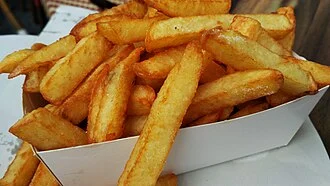
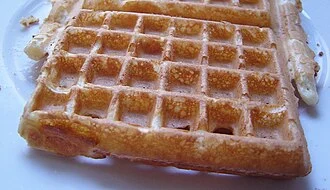
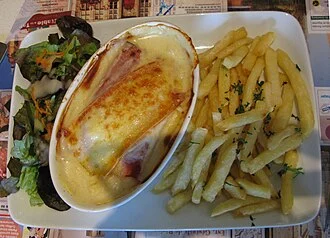
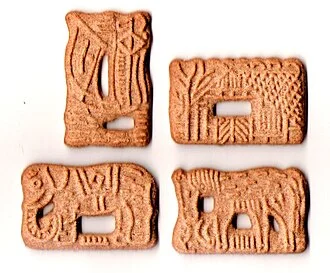
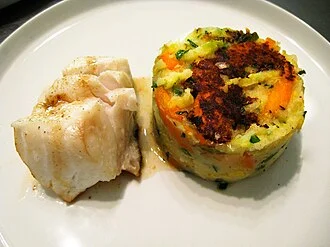
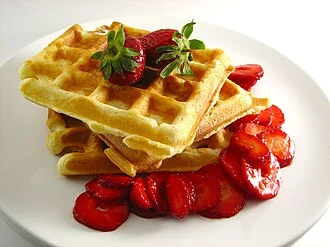
Thick, twice-fried potato fries served with mayonnaise. Light and crispy waffles dusted with powdered sugar, often topped with fruits. A savory tart featuring sautéed chicory and cheese baked in a buttery crust. Baked endives wrapped in ham slathered in béchamel sauce. White asparagus garnished with hard-boiled eggs and butter. A slow-cooked rabbit stew with a sweet prune sauce. Spiced shortcrust cookies from Belgium, popular during holidays. A mashed potato dish mixed with various vegetables. A light batter cake cooked between two hot plates with square holes.
Traditional Local Food
Brussels (Belgium)
Snack
Vegan
Belgian Fries
Frieten
FREE-ten
Dessert
Vegetarian
Brussels Waffle
Gaufre de Bruxelles
goh-freh duh broo-sells
Main course
Vegetarian
Chicory Tart
Tarte au chicon
tart oh shee-kawn
Main course
Meat
Endive au Gratin
Chicons au gratin
SHEE-kon oh grah-TAN
🌿
Starter
Vegetarian
Flemish Asparagus
Asperges op Vlaamse Wijze
ahs-PAIR-jehz awp VLAHMS-uh VAY-zuh
🥩
Main course
Meat
Rabbit with Prunes
Konijn met Pruimen
koh-NAYN met PROW-men
Snack
Vegetarian
Speculoos
Speculaas
SPEH-koo-lahs
Main course
Vegetarian
Stoemp
Shtoomp
Dessert
Vegetarian
Waffle
Gaufre
GOHF-ruh