Explore Guides
CARIBBEAN / JAMAICA
Triplandio Montego Bay guide covers 4 travel guides across 15 areas, complete with hotel picks. Explore 16 self-guided walking tours in Montego Bay with 22 POI, spanning 59.6 km in total. Get inspired by 5 local dishes, complete with recipes and our unique Food Flavour DNA graph.
Montego Bay
City & Country Data Montego Bay (Jamaica)

Key travel data for Montego Bay — local prices, safety, healthcare, local currency and essentials, curated by Triplandio.
🌍 Jamaica
Safety
46
Health
30
Lifestyle
71
Infra
37
Rank
#74
Score
31
Tourists
1.3M/y
GDP/cap
$8.0k
Life Exp
71.6 yrs
Population
2.8M
Currency
JMD J$
Language
English
Payments
Mixed
Emergency
112
💰 Prices in Montego Bay
Coffee
$5.00
Beer
$2.00
Lunch
$6.50
Groceries
$50.00/w
Taxi/km
$3.00
Transit
$1.00
Fuel
$1.30/l
Internet
$60.00/m
Salary
$600/m
Travel tipsMontego Bay (Jamaica)

Quick tips
- Pack your own bags — Critical
Always pack your own luggage and never carry anything through customs for someone else. Drug export convictions in Jamaica mean full prison sentences in harsh conditions.
- Ganja is still illegal to smoke — Caution
Smoking marijuana (ganja) in public is illegal in Jamaica. Possessing up to 2 ounces brings a 500 Jamaican dollar fine; anything more, or trying to take it out of the country, carries severe penalties.
- Take only JTB-approved taxis — Caution
Use taxis and minibuses approved by the Jamaica Tourist Board (JTB): drivers carry photo ID and have a blue JTB sticker on the windscreen. Your hotel can call one.
- Avoid isolated beaches and walks — Caution
Most attacks on tourists in Jamaica are robberies. Don't walk alone on deserted beaches or in isolated areas, even in daylight, and don't resist if you are robbed.
- The west is still recovering from Hurricane Melissa — Good to know
Hurricane Melissa hit Jamaica's western parishes hard in October 2025. Some communities still lack power and piped water, and healthcare is limited, so check conditions with your hotel before you go.
- Do
- Use JTB-approved taxis
- Pack your own luggage
- Fill in the C5 form online
- Greet people before asking
- Use ATMs in daylight
- Don’t
- Walk deserted beaches alone
- Carry anything for a stranger
- Smoke ganja in public
- Resist a robbery
- Bring meat or dairy
Critical
Prison or heavy penalty possible
Scams & safety
- Neighbourhoods to avoid — Critical
Gang violence affects parts of Montego Bay including Flankers, Barrett Town, Glendevon, Rose Heights and Mount Salem. Visitors have no reason to go there; stick to tourist areas.
Laws & fines
- Male same-sex relations are illegal — Critical
Sex between men is illegal in Jamaica, although the law isn't always enforced, and attitudes are often hostile. Avoid public affection; criminals have used dating apps to lure and rob victims.
- Drink-driving means prison — Critical
Drink-driving in Jamaica can bring a fine and prison. Many local drivers speed or drink, so be extra careful on the roads at night.
Caution
Fines, losses or injury possible
Scams & safety
- Hustlers on the Hip Strip — Caution
On Gloucester Avenue, known as the Hip Strip, people offer ganja, tours, rides and “guides”. Decline politely; buying drugs is illegal and some offers lead to overcharging.
- Unofficial drivers at the airport — Caution
Drivers without a Jamaica Tourist Board (JTB) sticker approach arrivals at Montego Bay airport. Use your hotel transfer or the official JTB taxi desk, and agree the fare first.
- Don't walk around at night — Caution
Even near hotels, walking in Montego Bay at night increases the risk of robbery. Take a taxi for short evening trips and leave jewellery in the safe.
Laws & fines
- Seatbelts and helmets — Caution
Drivers and front-seat passengers in Jamaica must wear seatbelts, and motorcyclists must wear helmets. Hire cars and minibuses don't always have rear belts.
Entry & visa
- No meat or dairy in your luggage — Caution
Bringing meat or dairy products into Jamaica is illegal. Customs may search your bags and will destroy banned food.
- Declare 10,000 US dollars or more — Caution
Declare cash or travellers' cheques worth 10,000 US dollars or more on your C5 form and show where the money came from, or it can be seized.
Beaches & adventure
- Don't drive in Kingston if you're new — Caution
If you don't know Kingston, don't drive there: getting lost can take you into unsafe areas. Use a Jamaica Tourist Board (JTB) approved driver instead.
- Avoid buses at night — Caution
Travelling by public bus or route taxi after dark in Jamaica increases the risk of robbery. Arrange a Jamaica Tourist Board (JTB) taxi or hotel transport for evenings.
Good to know
Rules and useful facts
Scams & safety
- Travel advisory: Level 2 of 4 — Good to know
Exercise increased caution — the U.S. State Department's rating for Jamaica.
Laws & fines
- Curfews under special security zones — Good to know
Jamaica's government can declare a State of Emergency (SOE) or Zone of Special Operations (ZOSO), with curfews, cordons and searches. Tourists are rarely affected, but check locally and obey.
- Stay away from crowds and protests — Good to know
Protests and large crowds in Jamaica, even celebrations, can turn violent and are used as cover by thieves. Keep away and follow local news.
Tipping & money
- Use ATMs in daylight — Good to know
In Jamaica, use ATMs in banks, malls or hotels during the day, avoid badly lit machines and don't take out large sums at once.
Entry & visa
- Two blank pages in your passport — Good to know
Your passport must be valid for your whole stay in Jamaica and have 2 blank pages for entry and exit stamps.
- Up to 90 days without a visa — Good to know
UK and many other passport holders don't need a visa for Jamaica and usually get up to 90 days. The date you must leave is stamped in your passport; overstaying can mean a fine or arrest.
- Fill in the C5 form online — Good to know
Every arrival must make a customs declaration on Jamaica's Immigration and Customs Form C5. Complete it online before you fly to save time at the airport.
Health
- Hurricane areas: disease risks — Good to know
In parts of western Jamaica hit by Hurricane Melissa, debris and standing water still raise the risk of water-borne and mosquito-borne diseases. Drink bottled water there and use repellent.
- Dengue from mosquitoes — Good to know
Dengue, a mosquito-borne fever, occurs in Jamaica. Use repellent during the day and cover up at dawn and dusk.
- Hospitals want cash upfront — Good to know
Medical care in Jamaica varies in quality and doctors often expect immediate cash payment. Travel insurance is essential. Call 110 for an ambulance.
- Check your medicines — Good to know
Some medicines prescribed abroad, including in the UK, are regulated differently in Jamaica. Carry them in original packaging with your prescription.
Beaches & adventure
- Driving on the left — Good to know
Traffic in Jamaica drives on the left, and visitors from the UK can drive on their licence for up to 6 months; other nationalities should check whether they need an International Driving Permit (IDP). Roads are often narrow, potholed, winding and unlit; some areas need a four-wheel drive.
- Hurricane season June to November — Good to know
Hurricanes can bring fallen trees, blocked roads and flooding. Stay away from gullies, rivers and mangroves in heavy rain and follow official warnings.
Local tips
Local know-how
Getting around
- Sangster Airport (MBJ) → hotels — Local tip
Sangster International Airport is just outside Montego Bay; the Hip Strip is about 10 minutes away by road. Most resorts include transfers or book Jamaica Tourist Board (JTB) taxis.
- Coaches to other resorts — Local tip
Knutsford Express coaches run from Montego Bay to Negril, Ocho Rios and Kingston. The Kingston trip takes several hours.
- Fix taxi fares before you go — Local tip
Most Montego Bay taxis don't use meters. Jamaica Tourist Board (JTB) drivers work to set rates between zones, so agree the fare — and the currency — before you set off.
Customs
- Greet people first — Local tip
Jamaicans value a greeting. Say “good morning” or “good afternoon” before asking a question in a shop, bus or bar — launching straight in comes across as rude.
- Firm but friendly with vendors — Local tip
Vendors and hustlers in Jamaican tourist areas can be persistent. A polite, firm “no, thanks” and walking on works better than ignoring them or arguing.
- Ask before taking photos — Local tip
Many Jamaicans dislike being photographed without being asked, and some will ask for a tip. Always check first, especially at markets.
- Beachwear on the beach only — Local tip
Swimsuits are for the beach and pool. Cover up with a shirt or dress in towns, shops and restaurants in Jamaica.
Tipping & money
- Tip 10–15% if not included — Local tip
Many Jamaican restaurants add a service charge; if not, tip 10–15%. Tip tour guides and drivers too, unless your resort's policy says gratuities are included.
- US dollars accepted, change in local — Local tip
US dollars are widely accepted in Jamaican tourist areas, but change often comes in Jamaican dollars at a poor rate. Local currency is cheaper for small purchases.
- Bargain at craft markets — Local tip
Haggling is expected at Jamaican craft markets and with beach vendors. Agree the price clearly — in Jamaican or US dollars — before you pay.
Beaches & adventure
- Book excursions with licensed firms — Local tip
Use reputable, licensed operators for tours, boat trips and water sports in Jamaica. Your hotel or tour operator can recommend approved companies.
Through the year
Festival or season Public holiday (exact date)
- Hurricane season
Jun–Nov 2026 · Highest risk from August to October; get travel insurance that covers hurricane disruption.
- Peak season
Dec 2026–Apr 2027 · Dry, sunny weather and the highest hotel prices, especially over Christmas and New Year.
- Christmas Day
Fri 25 Dec 2026 · Public holiday
- Boxing Day
Sat 26 Dec 2026 · Public holiday
- New Year's Day
Fri 1 Jan 2027 · Public holiday
- Ash Wednesday
Wed 10 Feb 2027 · Public holiday
- Carnival
Mar–Apr 2027 · Jamaica's carnival season peaks with road marches in Kingston around Easter.
- Good Friday
Fri 26 Mar 2027 · Public holiday
- Easter Monday
Mon 29 Mar 2027 · Public holiday
- Rainiest months
May 2027, Oct 2027 · May and October usually bring the heaviest rain; showers are often short but can flood roads.
- Labor Day
Sun 23 May 2027 · Public holiday
- Reggae Sumfest
Jul 2027 · Jamaica's biggest reggae festival takes over Montego Bay in July; hotels book up early.
- Emancipation Day
Sun 1 Aug 2027 · Public holiday
- Independence Day
Fri 6 Aug 2027 · Public holiday
- National Heroes' Day
Mon 18 Oct 2027 · Public holiday
Sources: GOV.UK travel advice · U.S. State Dept · Google public holidays
Best time to visit Montego Bay (Jamaica)
Now (November) avg high: 29°C, wetter month, moderate crowds. Best months to walk: Feb & Jul.
Live Temp
…
~Day / Night Temp
29°C / 23°C
Sunrise / Sunset
6:16 / 17:36
Local time
14:52
Sea Temp
30°C
Best Months  Feb & Jul
J
Jan
F
Feb
M
Mar
A
Apr
M
May
J
Jun
J
Jul
A
Aug
S
Sep
O
Oct
N
Nov
 D
Dec
M
Mar
A
Apr
M
May
J
Jun
J
Jul
A
Aug
S
Sep
O
Oct
N
Nov
D
Dec
Check Montego Bay hotels
Temperature
Average daytime high, month by month. Zero line marks freezing point.
Crowds
How busy it gets — traveller interest by month.
Sea temperature
Sea warmth for swimming, by month.
Rainfall
Rainy days to expect each month.
Sunshine
Hours of sun per day, by month.
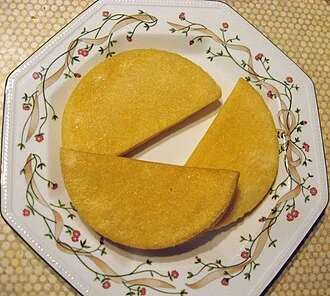
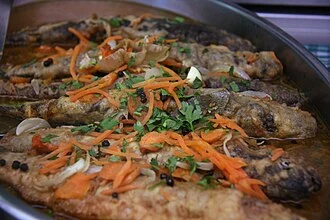
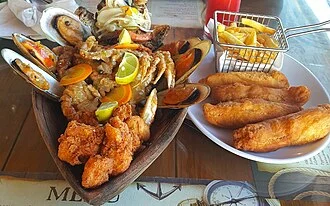
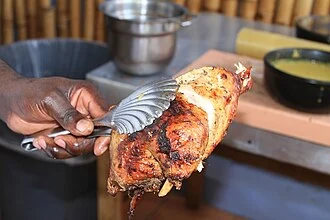
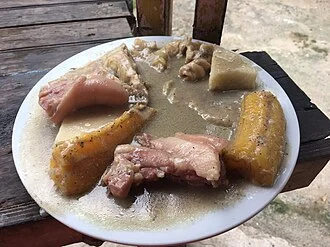
Flatbread made from cassava root. Fried fish topped with a tangy pepper sauce. Sweet fried dumplings made from cornmeal. Spicily marinated and grilled chicken. Salt fish simmered in coconut milk sauce.
Traditional Local Food
Montego Bay (Jamaica)
Bread
Vegan
Bammy
Bam-ee
· Fried cassava flatbread
Main course
Fish & Seafood
Escovitch Fish
Es-kuh-vitch Fish
· Fried fish with pepper sauce
Bread
Vegetarian
Festival
Fest-i-val
· Fried cornmeal dumpling
Main course
Meat
Jerk Chicken
Jurk Chick-en
Main course
Fish & Seafood
Run Down
Run-down
· Salt fish in coconut sauce