

Written for travellers who read the plaques — real dates, opening hours and the stories behind the sights. Updated 2026.

Where to Stay in Hanoi for History and Culture

Where to stay in Hanoi for history — a thousand-year-old capital of temples, citadels, colonial boulevards and war memories.

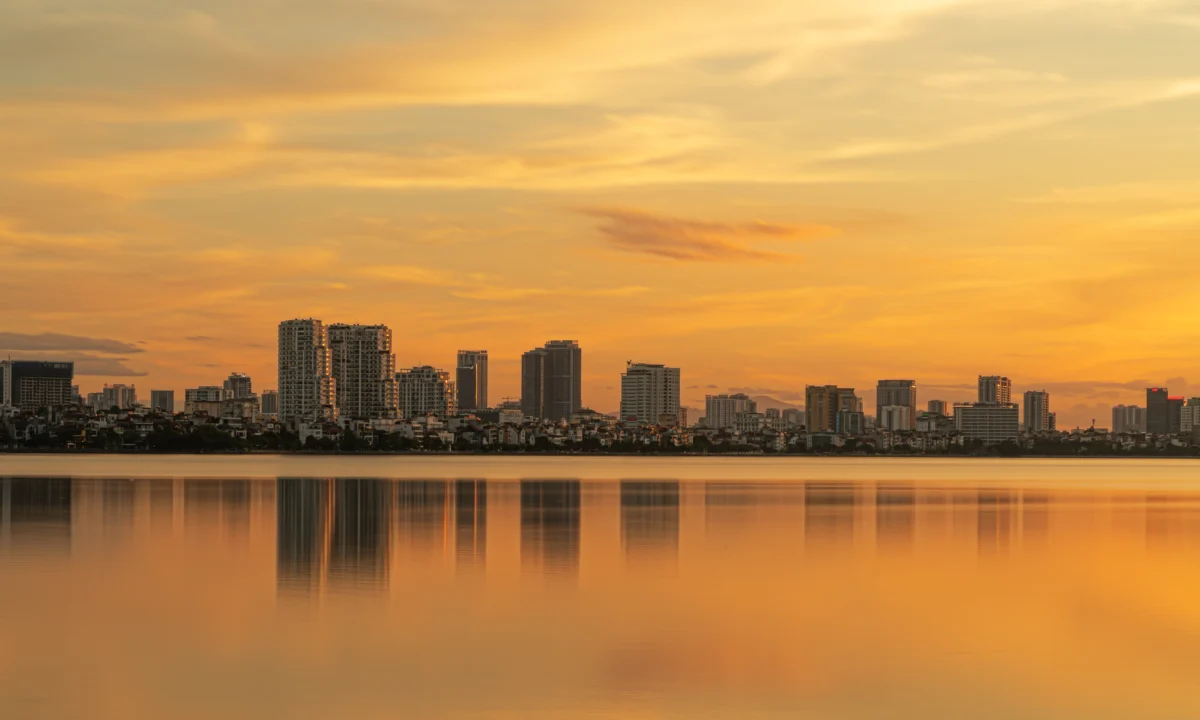
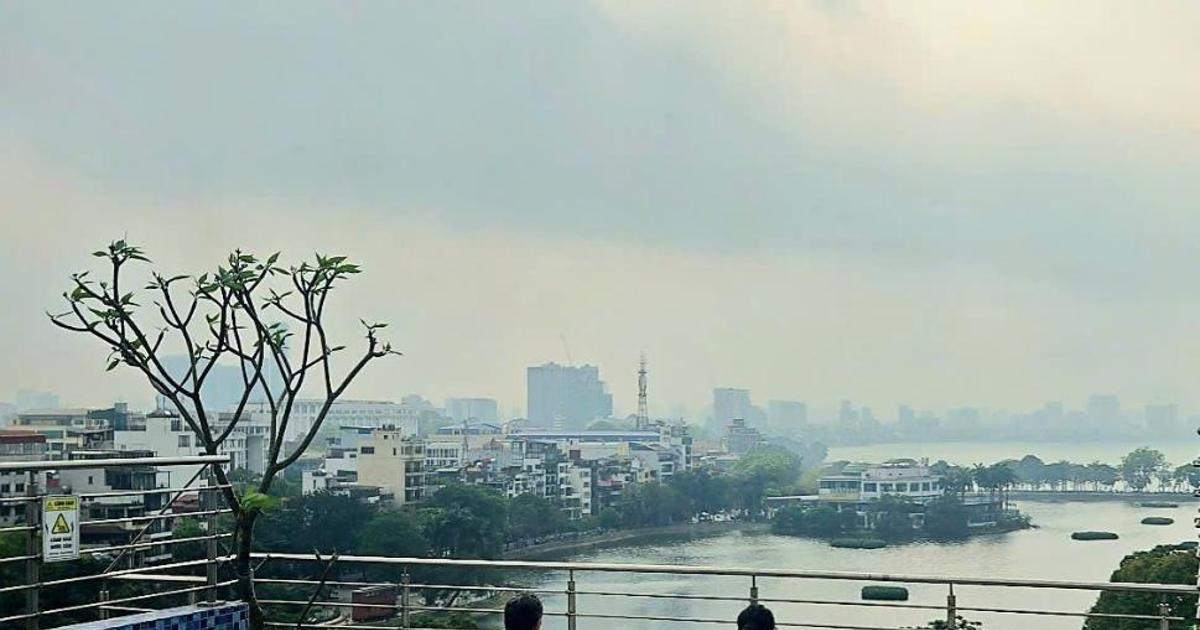
Hanoi skyline with scenic sunset view
At a Glance
Country Vietnam
City Hanoi
Day / Night 26° / 19°
Local Time 21:34
November — Now Peak season
Best Months Nov · Oct

Hanoi has been Vietnam’s capital, on and off, for a thousand years, and every layer is still visible. This guide picks four bases for history lovers — the Old Quarter round Hoàn Kiếm Lake, the colonial French Quarter, Ba Đình with its citadel and mausoleum, and Long Biên across the old French bridge — with a walk through the history of each.

Best Hanoi hotels for history lovers

Central location
⭐ 8.7
Imperial Hotel & Spa

Imperial Hotel & Spa

A hotel on Bảo Khánh lane, a minute from the north-west corner of Hoàn Kiếm Lake. Ngọc Sơn Temple, St. Joseph’s Cathedral and the Old Quarter’s guild streets are all a few minutes’ walk away.

Top pick
⭐ 9.4
Sofitel Legend Metropole Hanoi

Sofitel Legend Metropole Hanoi

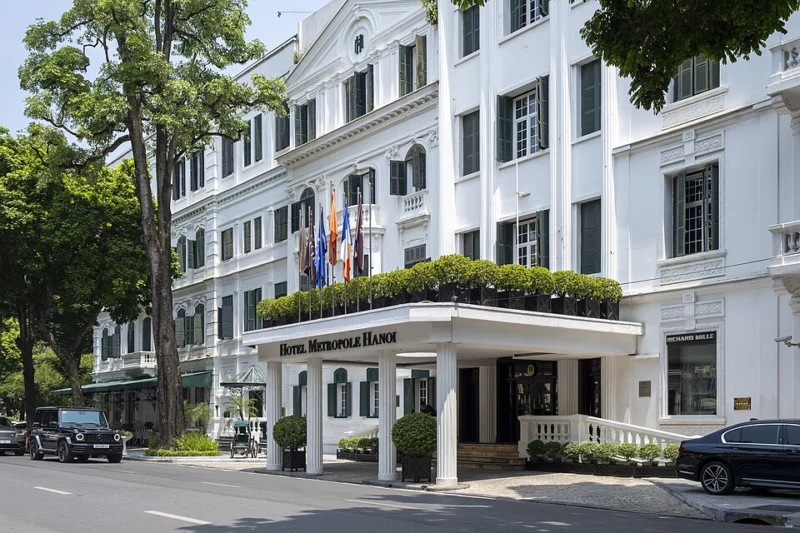
Hanoi’s first grand hotel, opened by the French in 1901 and still in its white colonial building on Ngô Quyền. Staying here is a piece of history in itself — and the Opera House and the history museum are a few minutes away.

Smart choice
⭐ 9.3
Luxe Paradise Suites Hotel & Spa

Luxe Paradise Suites Hotel & Spa

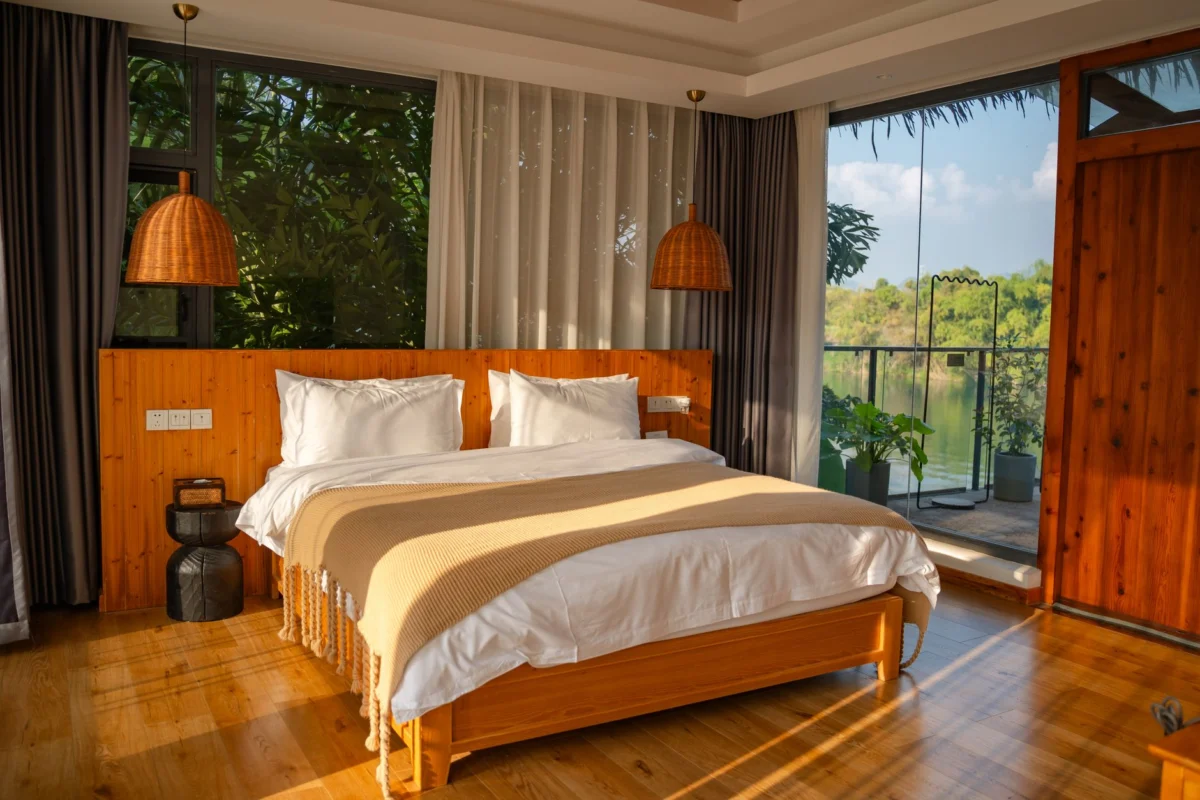
A 4-star hotel on Phạm Hồng Thái Street in Ba Đình, near Trúc Bạch Lake and about 15 minutes on foot from Ba Đình Square and the Hồ Chí Minh Mausoleum. Rooms are soundproofed with city views, and there is a rooftop pool, a fitness centre, a spa and a restaurant serving Asian dishes. It is a modern hotel rather than a colonial one, but it puts the citadel and the mausoleum within walking distance.

Which chapter of Hanoi do you want to wake up in?

Ancient temples, colonial boulevards or the story of independence — pick your period and we will show you the area.

Best choice: Hoan Kiem (Hoàn Kiếm)

Best for: Temples & guild streets

Best choice: French Quarter

Best for: Colonial history

Best choice: Ba Đình

Best for: Citadel & independence

Best choice: Long Bien (Long Biên)

Best for: The French bridge

Best hotels in Hanoi for culture and history

From a hotel that opened in 1901 to simple bases across the Red River — all within reach of the city’s historic sights.

Sofitel Legend Metropole Hanoi
Top pick
⭐ 9.4 Outstanding
732 reviews

Sofitel Legend Metropole Hanoi

French Quarter • Opened 1901 • Colonial landmark

Hanoi’s first grand hotel, opened by the French in 1901 and still in its white colonial building on Ngô Quyền. Staying here is a piece of history in itself — and the Opera House and the history museum are a few minutes away.

  • Historic building from 1901
  • Walk to the Opera House
  • Near the history museum
Luxe Paradise Suites Hotel & Spa
Smart choice
⭐ 9.3 Superb
678 reviews

Luxe Paradise Suites Hotel & Spa

Ba Đình • 4-star hotel • Phạm Hồng Thái Street

A 4-star hotel on Phạm Hồng Thái Street in Ba Đình, near Trúc Bạch Lake and about 15 minutes on foot from Ba Đình Square and the Hồ Chí Minh Mausoleum. Rooms are soundproofed with city views, and there is a rooftop pool, a fitness centre, a spa and a restaurant serving Asian dishes. It is a modern hotel rather than a colonial one, but it puts the citadel and the mausoleum within walking distance.

  • Walk to Ba Đình Square
  • Rooftop pool and spa
  • Soundproofed rooms
Aurora Hotel & Apartment
Walkable area
⭐ 9.7 Exceptional
258 reviews

Aurora Hotel & Apartment

Long Biên • 3-star hotel • Lane off Hoàng Như Tiếp

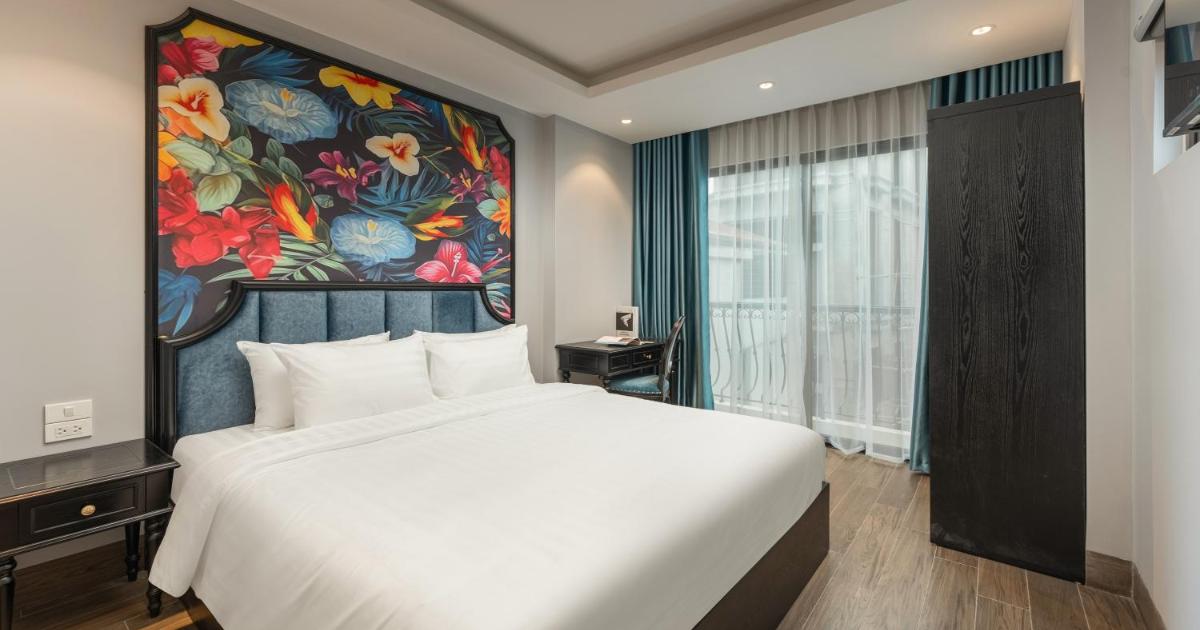
A small 3-star hotel in a lane off Hoàng Như Tiếp in Long Biên, the district across the Red River from the Old Quarter. There is a 24-hour front desk, a lift, room service and a tour desk that can arrange trips, and over 250 reviews rate it 9.7. You will cross the river by taxi or on foot over the old Long Biên Bridge to reach the historic centre.

  • 24-hour front desk
  • Tour desk for day trips
  • Rated 9.7 by guests
D'Lux Hotel
Smart choice
⭐ 9.0 Superb
100 reviews

D'Lux Hotel

Long Biên • 3-star hotel • Ngọc Thụy

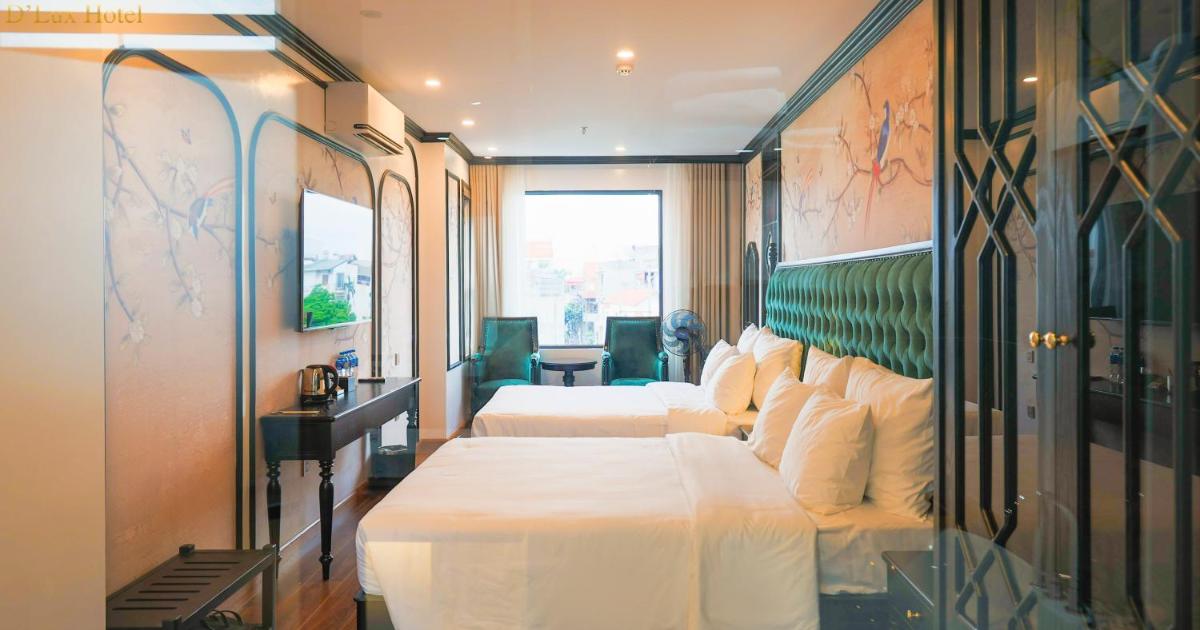
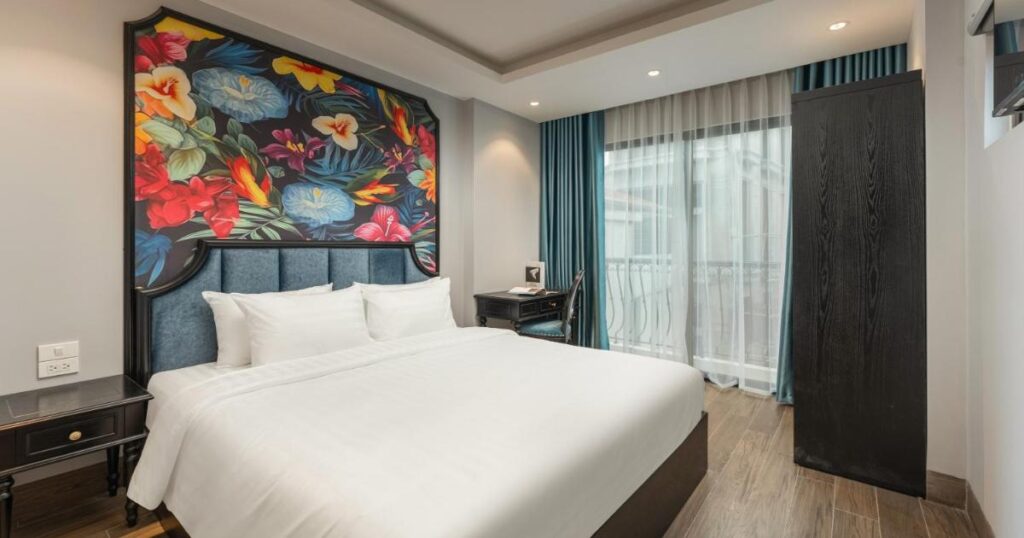
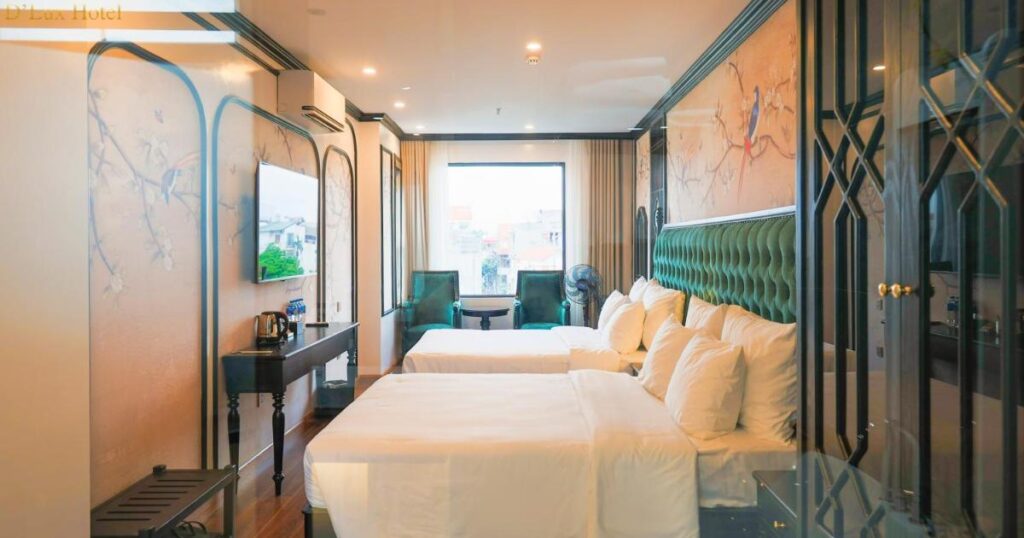
A 3-star hotel on a quiet street in Ngọc Thụy, the Long Biên ward on the east bank of the Red River, with some rooms looking over the river or the city. There is a 24-hour front desk, a sun terrace and free parking, and reception staff speak English. The historic centre is a taxi ride over the river, which keeps prices lower than in the Old Quarter.

  • River or city views
  • 24-hour front desk
  • Sun terrace

How we choose

We pick hotels by how many historic sights you can reach on foot, then by guest reviews — and we check the history we tell you.

The best areas in Hanoi for history lovers

Four areas, four periods of Hanoi’s past — each with a walking route from morning temple to evening show.

Hoan Kiem (Hoàn Kiếm)

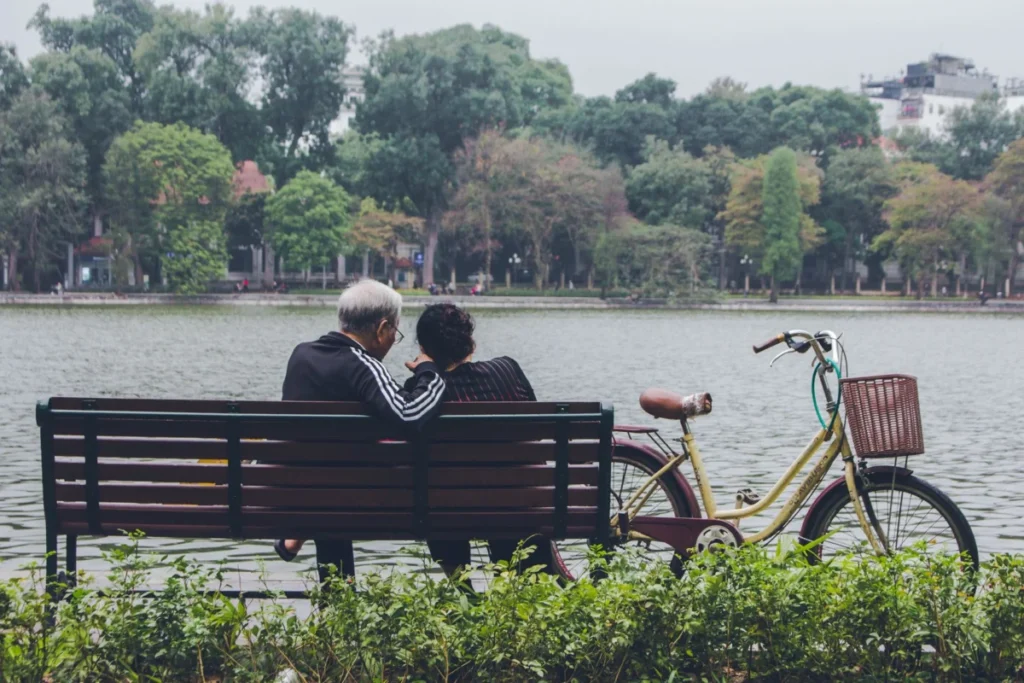
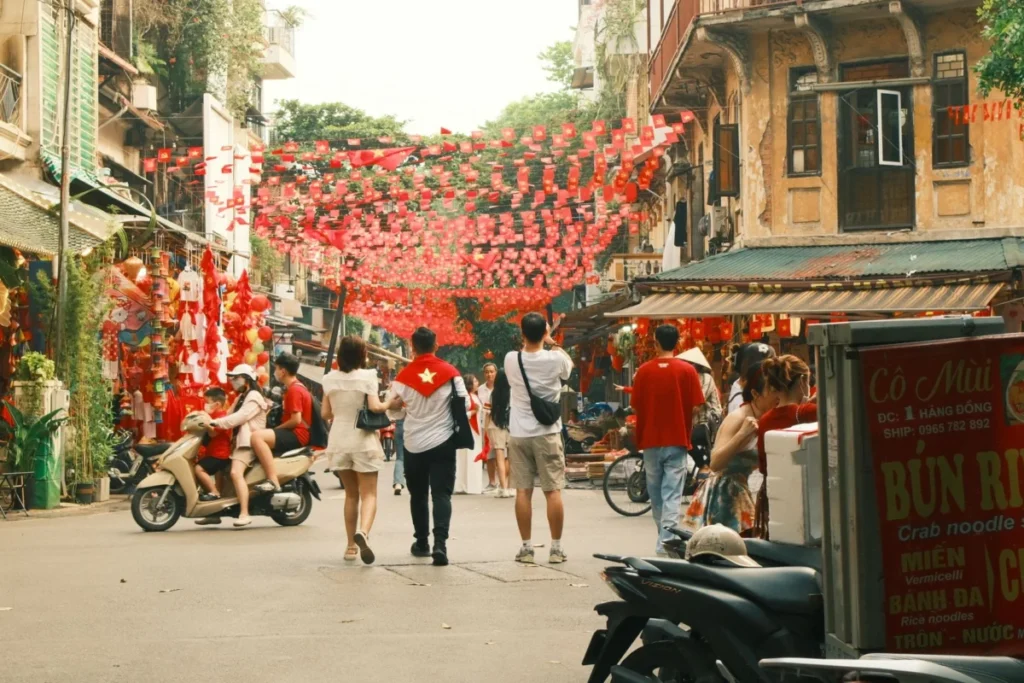
Hoàn Kiếm is the old commercial heart of Hanoi: the lake of the returned sword and, north of it, the Old Quarter, where merchants and craftsmen once lived street by street. Shop-houses only a few metres wide, guild temples and Chinese assembly halls still stand among the motorbikes.

For history lovers it is a walk through the city’s daily life over the centuries. Start at Ngọc Sơn Temple on the lake, step inside a restored merchant’s house on Mã Mây, visit Bạch Mã, one of the four guardian temples of the old capital, and end the day with a water puppet show — an art that began in the villages of the Red River delta.

The honest downside: the streets are crowded and loud, and many old houses hide behind souvenir shops. Look up above the shop signs to see the old facades.

Local picks

For Culture & History
  • 1
    MorningNgọc Sơn TempleCross the red Thê Húc bridge to the temple on its island, past the Pen Tower built by the scholar Nguyễn Văn Siêu in the 1860s. Inside is a preserved giant turtle from the lake.
  • 2
    Hidden historyHeritage House, 87 Mã MâyA restored 19th-century tube house — narrow at the front, deep at the back, with courtyards for light and air. It shows how Old Quarter merchant families lived above and behind their shops; open daily from 8.30 am.
  • 3
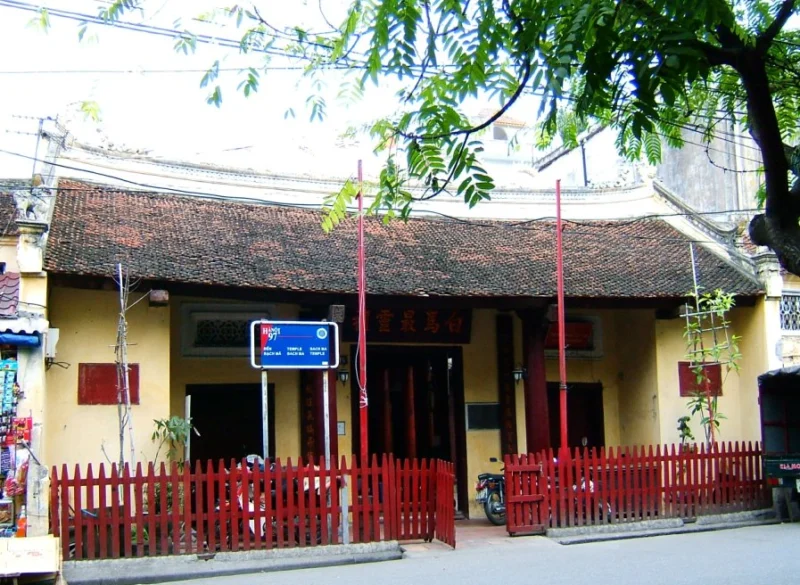
    TempleBạch Mã TempleThe eastern guardian temple of the old capital, dedicated to the city spirit Long Đỗ, shown as a white horse. It is free and closes for a midday break.
  • 4
    Chinese HanoiFujian Assembly HallThe former meeting hall of merchants from Fujian, on Lãn Ông — the old street of traditional medicine. After the 1979 war with China it became a school, and it has since been restored.
  • 5
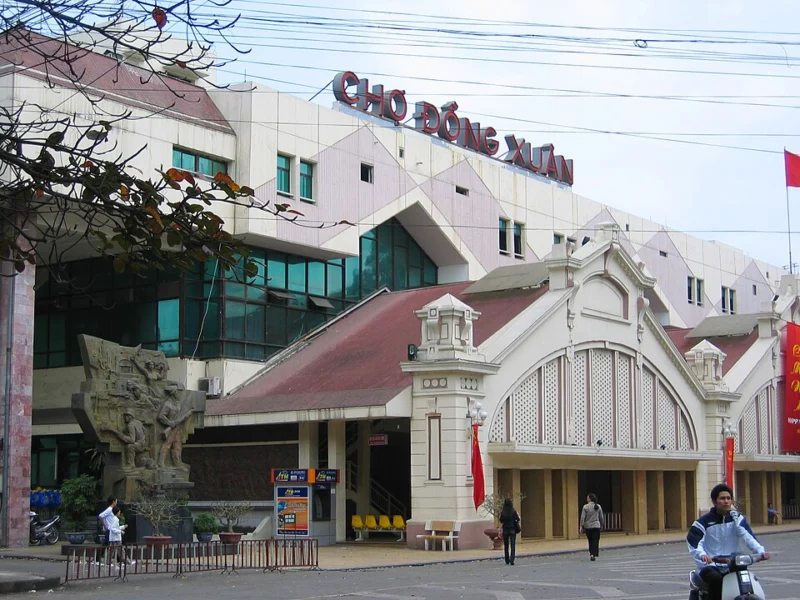
    Colonial marketĐồng Xuân MarketThe French built Hanoi’s main market hall here in 1889. Today it is a busy wholesale market — walk through to see how the old trading district still works.
  • 6
    LunchBún Chả Đắc KimA long-running bún chả shop at 1 Hàng Mành, serving grilled pork with noodles in a sweet-sour broth. Bún chả is Hanoi’s classic lunch, so come between 11 am and 2 pm.
  • 7
    EveningThăng Long Water Puppet TheatreWater puppetry began in the flooded rice fields of the Red River delta; here wooden puppets act out village life and legends to live traditional music. Several shows run every afternoon and evening — buy tickets earlier in the day.
  • Getting aroundOn footAll the stops are within a 15-minute walk of the lake. Ba Đình and the French Quarter are 15–20 minutes away on foot.
  • Where to stayHoàn Kiếm has every kind of hotel, from small family-run places in old tube houses to modern city hotels by the lake. Ask for a room at the back or on a high floor — the streets are noisy from early morning.

Did you know?

The lake of the returned sword Legend says the 15th-century king Lê Lợi returned a magic sword to a golden turtle in the lake.
Turtle Tower from 1886 The small tower on the island in the lake was built in 1886.
What “Hoàn Kiếm” means The name means “returned sword”, after the same legend.
Hoan Kiem (Hoàn Kiếm)

French Quarter

The French Quarter, south and east of Hoàn Kiếm Lake, was laid out by the colonial government from the late 19th century: wide boulevards, villas, ministries, a cathedral of culture in the Opera House and a grand hotel, the Metropole. Many buildings still serve as embassies and offices.

This is the place to understand the colonial period and the struggle against it. Start at Hỏa Lò Prison, where the French jailed Vietnamese revolutionaries, visit the Women’s Museum and the National Museum of Vietnamese History, then end at the Opera House, where an uprising was announced in August 1945.

The honest downside: it is quieter and more formal than the Old Quarter, with fewer street-food stalls and higher prices. But you can walk to the lake and the Old Quarter in minutes.

Local picks

For Culture & History
  • 1
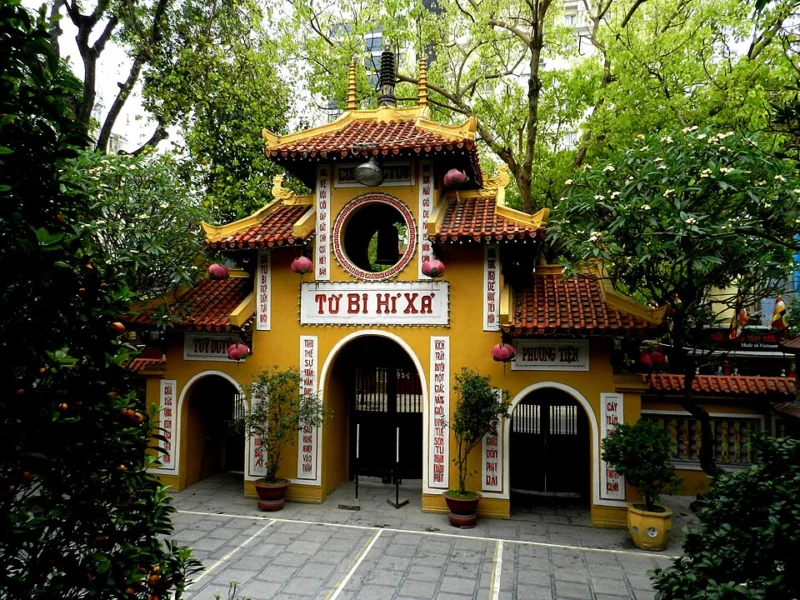
    MorningQuán Sứ PagodaThe headquarters of Vietnamese Buddhism, on Quán Sứ street. Come in the morning, when monks and local worshippers fill the hall.
  • 2
    MuseumHỏa Lò PrisonBuilt by the French around 1900 for Vietnamese political prisoners, later used for captured American pilots, who called it the “Hanoi Hilton”. Most of the prison was demolished, but the gatehouse and cell blocks remain as a museum.
  • 3
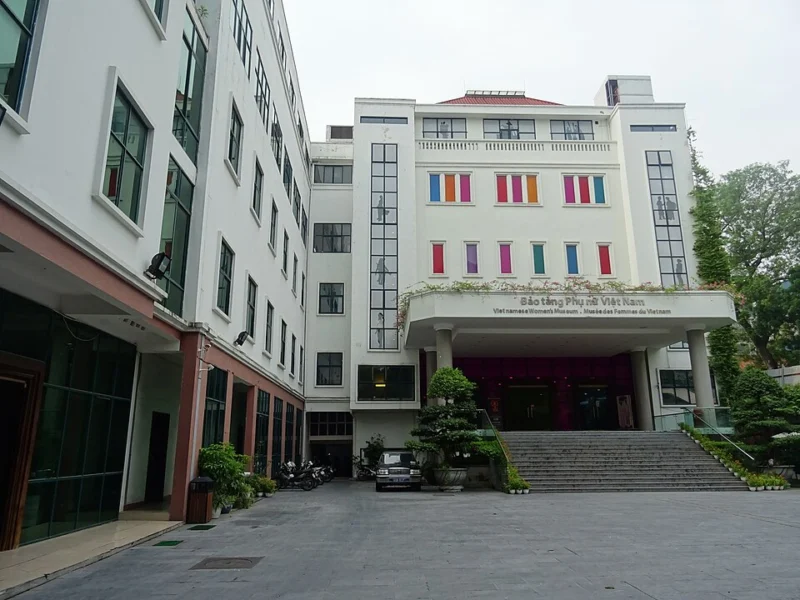
    MuseumVietnamese Women’s MuseumA well-designed museum about women’s lives, from village customs to the wars of the 20th century. It opens daily from 8 am to 5 pm.
  • 4
    Colonial landmarkSofitel Legend MetropoleHanoi’s first grand hotel, opened in 1901, with its white facade and green shutters on Ngô Quyền. Walk past for the best-preserved colonial street front in the city.
  • 5
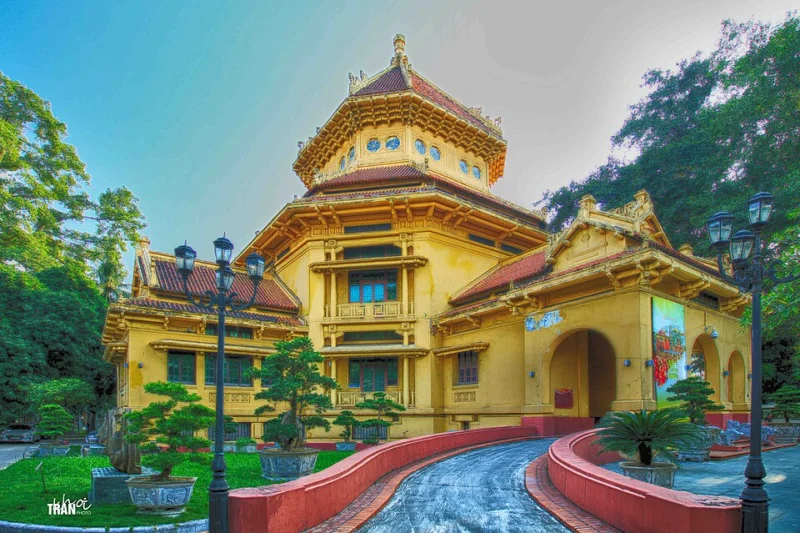
    AfternoonNational Museum of Vietnamese HistoryBronze drums, royal treasures and two thousand years of history, in a building that began as the museum of the French School of the Far East. It closes on Mondays and over lunch.
  • 6
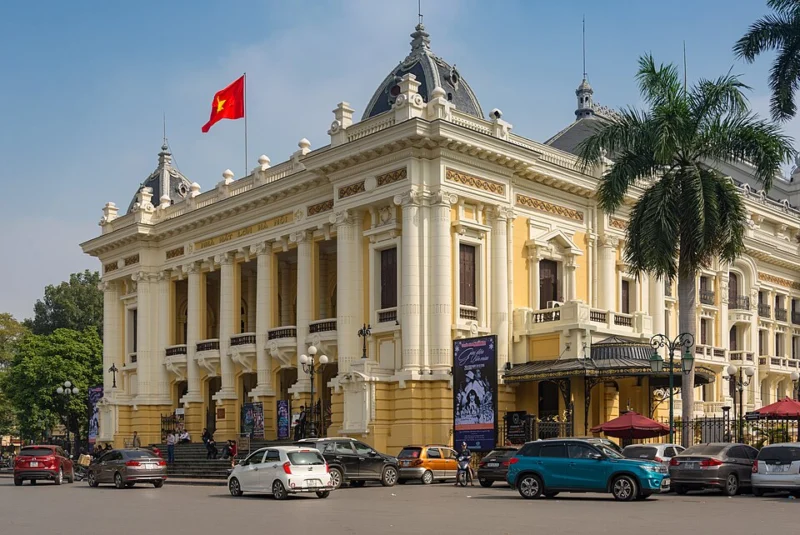
    EveningHanoi Opera HouseBuilt between 1901 and 1911 on the model of Paris’s Palais Garnier, it now hosts concerts, ballet and Vietnamese plays. Check the programme, or just see it lit up at night.
  • Getting aroundOn foot from the lakeThe French Quarter begins at the south end of Hoàn Kiếm Lake. The whole route above is under 2 km on foot.
  • Where to stayThe French Quarter has the city’s historic grand hotels and stylish modern ones, mostly between the lake and the Opera House. For atmosphere, choose a hotel in an old building or on Tràng Tiền.

Did you know?

Built from the late 1800s The French began laying out the quarter south of the lake in the late 19th century.
A French opera house The Opera House was built by the colonial government between 1901 and 1911.
The old Rue Paul Bert Tràng Tiền, the street from the lake to the Opera House, was called Rue Paul Bert under the French.
French Quarter

Ba Đình

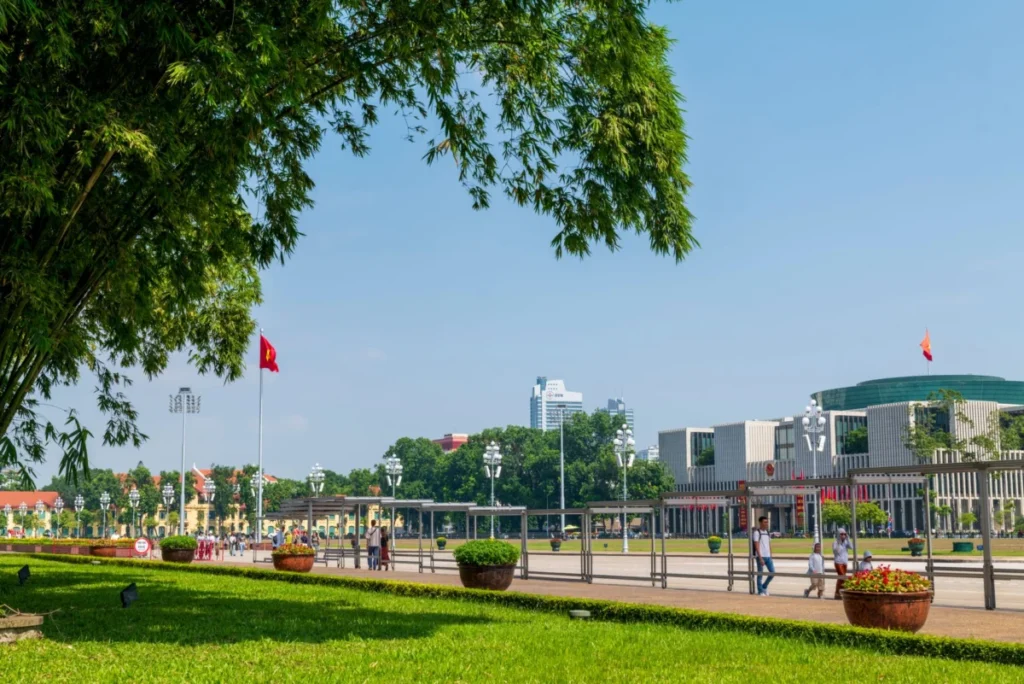
Ba Đình is where Vietnam’s modern history was written. On Ba Đình Square Hồ Chí Minh declared independence in 1945, and his mausoleum, his stilt house and the Presidential Palace stand around it. Just east lies the Imperial Citadel of Thăng Long, seat of Vietnamese kings for centuries.

A history day here goes from the 11th century to the 20th within a kilometre. See the mausoleum early, walk through the palace grounds to One Pillar Pagoda, then spend the afternoon in the citadel and climb past the 19th-century Flag Tower to the Temple of Literature, Vietnam’s first university.

The honest downside: the area is formal and quiet at night, with strict rules round the mausoleum, and it has fewer hotels than the Old Quarter. Many visitors sleep in Hoàn Kiếm and walk over.

Local picks

For Culture & History
  • 1
    Early morningBa Đình SquareThe huge square where independence was declared in 1945. Come at dawn for the flag-raising ceremony, before the crowds.
  • 2
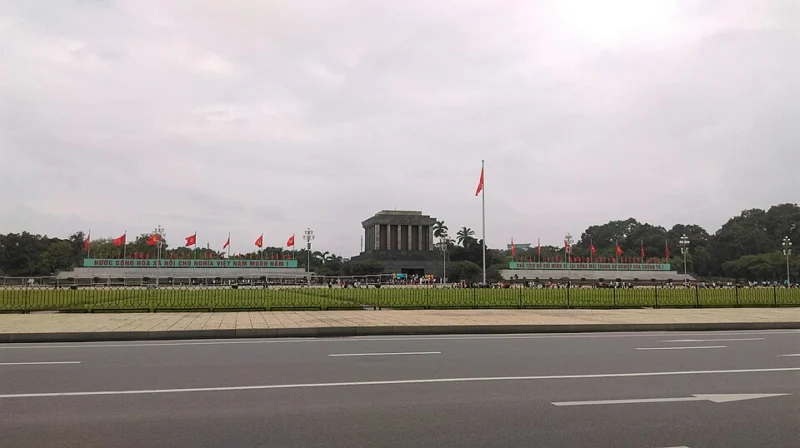
    MausoleumHồ Chí Minh MausoleumBuilt from 1973 and opened in 1975, against his own wish to be cremated. It opens only in the morning; dress modestly and keep silent inside.
  • 3
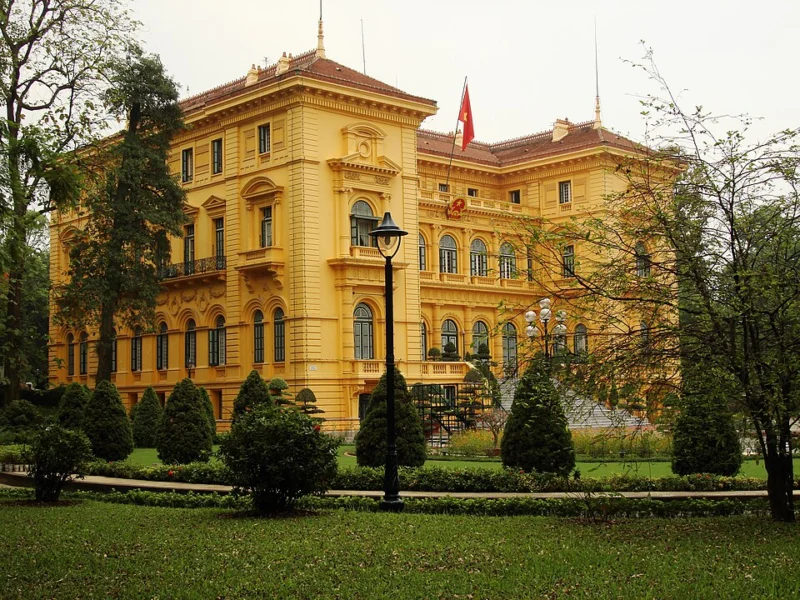
    Palace groundsPresidential Palace and stilt houseThe yellow palace was built for the French Governor-General and completed in 1906. Hồ Chí Minh refused to live in it and chose a simple stilt house in the garden, which you can see on the walk through the grounds.
  • 4
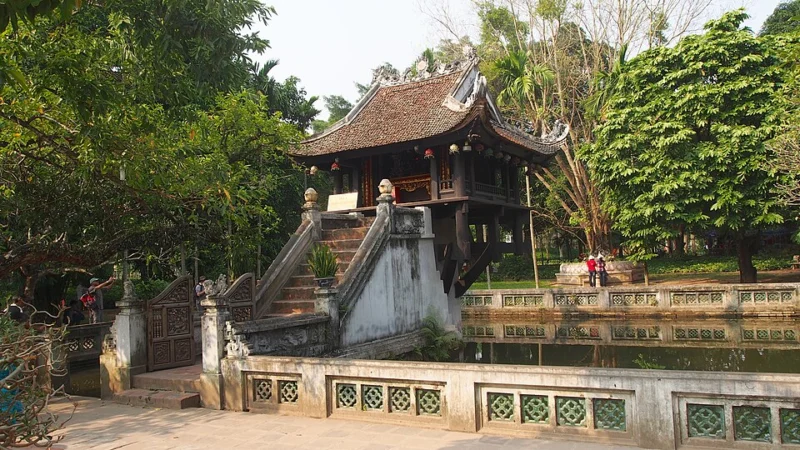
    TempleOne Pillar PagodaA tiny wooden pagoda on a single stone pillar, first built in 1049 by King Lý Thái Tông. The present one is a 1955 reconstruction.
  • 5
    AfternoonImperial Citadel of Thăng LongThe remains of the royal citadel, with excavations going back more than a thousand years, the Đoan Môn gate and the wartime bunkers of the army command. Allow at least two hours.
  • 6
    LandmarkHanoi Flag TowerThe brick tower on Điện Biên Phủ street was built in the early 19th century under the Nguyễn dynasty, and survived when the French pulled down most of the citadel. The flag on top is one of the city’s symbols.
  • 7
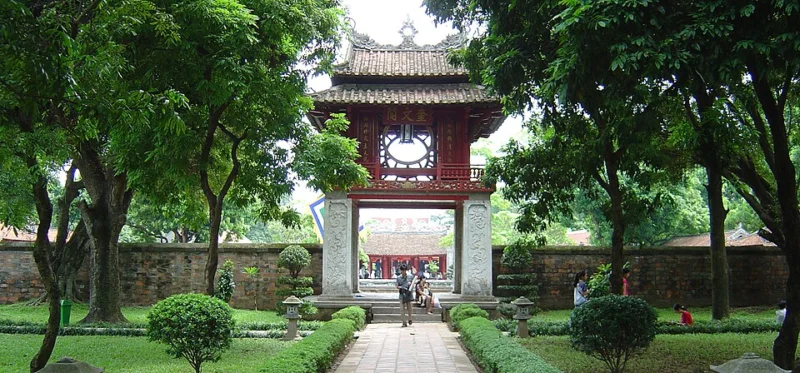
    Before closingTemple of LiteratureFounded in 1070 to honour Confucius, it became Vietnam’s first university a few years later. Its five courtyards hold stone stelae on turtles listing the scholars who passed the royal exams; it is about 15 minutes’ walk south of the citadel.
  • Getting aroundOn foot from the Old QuarterBa Đình Square is a 15–20 minute walk west of the Old Quarter. From the Temple of Literature, the walk or ride back to Hoàn Kiếm Lake is about 2 km.
  • Where to stayBa Đình has fewer hotels than Hoàn Kiếm, mostly business and mid-range hotels on its main streets. Choose one near the citadel or the Flag Tower if you want to walk to both the monuments and the Old Quarter.

Did you know?

Independence was declared here Hồ Chí Minh read Vietnam’s declaration of independence on Ba Đình Square on 2 September 1945.
A UNESCO citadel The central sector of the Imperial Citadel of Thăng Long became a UNESCO World Heritage Site in 2010.
A pagoda from 1049 One Pillar Pagoda was first built in 1049; the French destroyed it in 1954, and it was rebuilt the following year.
Ba Đình

Long Bien (Long Biên)

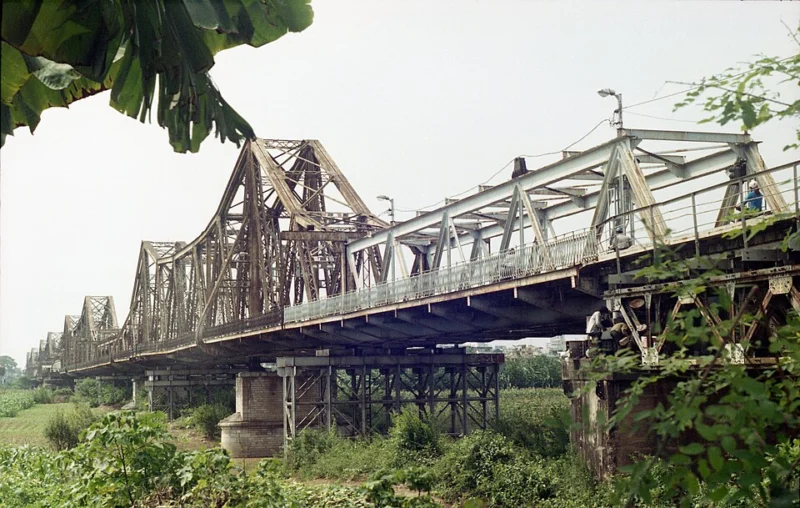
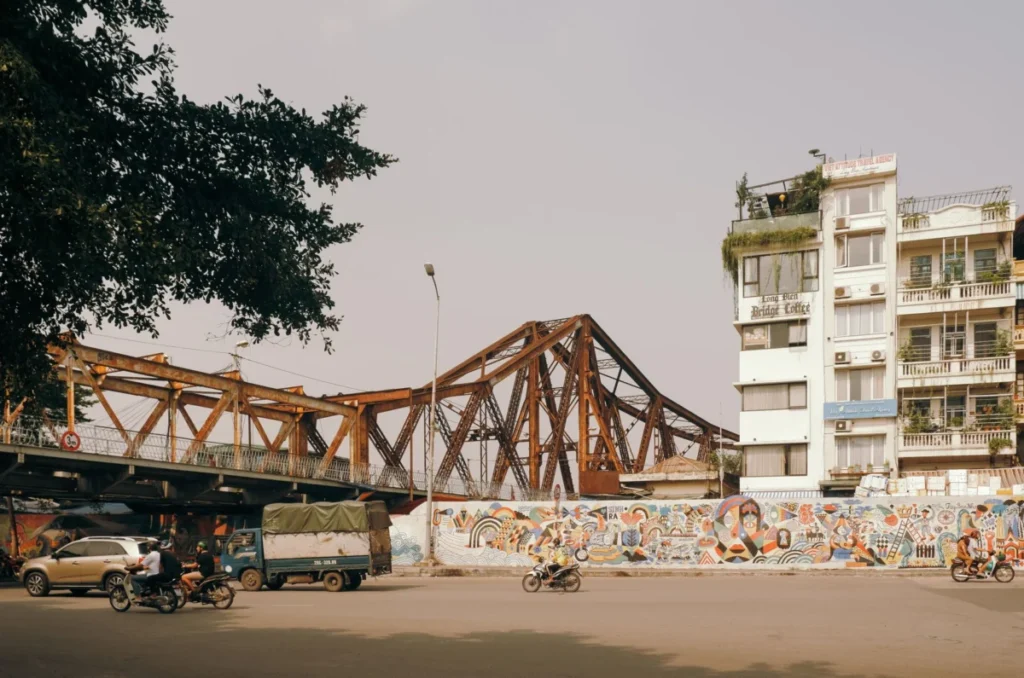
Long Biên is the district across the Red River, joined to the Old Quarter by Long Biên Bridge, the long steel bridge the French opened in 1903. It is a residential area few tourists visit, which makes it quieter and cheaper than the centre.

For history lovers the bridge is the reason to come. Walk across it from the Old Quarter, looking down at the river islands and the patched-up spans bombed in 1967 and 1972. On the east bank, village pagodas and communal houses survive among the new streets — Bồ Đề Pagoda marks the spot where Lê Lợi camped while besieging the Ming-held citadel in the 1420s.

The honest downside: there is little else to see, the streets are busy with traffic, and most hotels are further east, a taxi ride from the bridge. Choose it for value, not for atmosphere.

Local picks

For Culture & History
  • 1
    Morning walkLong Biên BridgeWalk out over the river on the footpath beside the railway — only trains, motorbikes, bicycles and pedestrians use the bridge. Morning light is best for photos of the old steel spans.
  • 2
    Village templeÁi Mộ PagodaA village pagoda near the east end of the bridge, from the time when Ái Mộ was a riverside village. It is a small, local place — visit quietly.
  • 3
    Communal houseNgọc Lâm Communal HouseThe đình, or communal house, of the old village of Ngọc Lâm, where villagers once met and worshipped their guardian spirit. It shows how these riverside villages were organised before the city reached them.
  • 4
    AfternoonBồ Đề PagodaThe pagoda by the old Bồ Đề landing, where Lê Lợi camped in the 1420s; a stone tablet records a rebuilding in 1614. Today it is a nunnery with an orphanage, so visit respectfully.
  • Getting aroundBridge, bus or taxiWalk or cycle over Long Biên Bridge to the Old Quarter in about 30 minutes. Buses and taxis use Chương Dương Bridge just to the south.
  • Where to stayLong Biên has modern mid-range and budget hotels, cheaper than the centre but often far from the bridge. If history is your reason to stay, pick one in Bồ Đề or Ngọc Lâm, close to the east end of Long Biên Bridge.

Did you know?

A French bridge Long Biên Bridge was built in 1899–1902 by the Paris firm Daydé & Pillé and opened in 1903 as the Paul Doumer Bridge.
Bombed and repaired US aircraft brought down the bridge’s central span on 11 August 1967; it was hit again in 1972.
Lê Lợi’s camp Bồ Đề Pagoda stands where Lê Lợi stationed his troops to attack the Đông Quan citadel.
Long Bien (Long Biên)

Planning your stay in Hanoi

For Culture & History
  • Hanoi’s history in 3 daysDay 1: Hoàn Kiếm Lake, Ngọc Sơn, the Old Quarter and a water puppet show. Day 2: Ba Đình Square, the mausoleum, One Pillar Pagoda, the citadel and the Temple of Literature. Day 3: Hỏa Lò Prison, the French Quarter museums and a walk over Long Biên Bridge.
  • Check opening hoursThe mausoleum opens only in the morning and closes some days; many museums close on Mondays or over lunch. Plan the big sights for the morning and keep afternoons flexible.
  • Temple etiquetteCover shoulders and knees in temples and at the mausoleum, take off your shoes where locals do, and ask before photographing people at prayer.
  • Four guardian templesOld Thăng Long was protected by four temples, one for each direction: Bạch Mã in the east, Quán Thánh in the north, Voi Phục in the west and Kim Liên in the south. Visiting all four is a good way to see beyond the centre.
Self-guided walking tours Culture & History (Hanoi, Vietnam)
Routes 4
Pick a route

Best time to visit Hanoi (Vietnam)

Now (November) avg high: 26°C, mostly dry, full season — expect crowds. Best months to walk: Nov & Oct.

Live Temp …
~Day / Night Temp 26°C / 19°C
Sunrise / Sunset 6:03 / 17:18
Local time 21:34
Best Months Nov & Oct
J Jan F Feb M Mar A Apr M May J Jun J Jul A Aug S Sep O Oct best month N Nov best month this month D Dec
Check Hanoi hotels
Temperature Average daytime high, month by month. Zero line marks freezing point.
Crowds How busy it gets — traveller interest by month.
Rainfall Rainy days to expect each month.
Sunshine Hours of sun per day, by month.
Hanoi guides →

Best hotels in Hanoi for culture and history

From a hotel that opened in 1901 to simple bases across the Red River — all within reach of the city’s historic sights.
Imperial Hotel & Spa
Central location
8.7 Excellent
437 reviews

Imperial Hotel & Spa

A hotel on Bảo Khánh lane, a minute from the north-west corner of Hoàn Kiếm Lake. Ngọc Sơn Temple, St. Joseph’s Cathedral and the Old Quarter’s guild streets are all a few minutes’ walk away.

Ideal for: History lovers who want the Old Quarter on the doorstep
Sofitel Legend Metropole Hanoi
Top pick
9.4 Outstanding
732 reviews

Sofitel Legend Metropole Hanoi

Hanoi’s first grand hotel, opened by the French in 1901 and still in its white colonial building on Ngô Quyền. Staying here is a piece of history in itself — and the Opera House and the history museum are a few minutes away.

Ideal for: Travellers who want to sleep in history
Luxe Paradise Suites Hotel & Spa
Smart choice
9.3 Superb
678 reviews

Luxe Paradise Suites Hotel & Spa

A 4-star hotel on Phạm Hồng Thái Street in Ba Đình, near Trúc Bạch Lake and about 15 minutes on foot from Ba Đình Square and the Hồ Chí Minh Mausoleum. Rooms are soundproofed with city views, and there is a rooftop pool, a fitness centre, a spa and a restaurant serving Asian dishes. It is a modern hotel rather than a colonial one, but it puts the citadel and the mausoleum within walking distance.

Ideal for: History lovers who want Ba Đình's sights on foot
Aurora Hotel & Apartment
Walkable area
9.7 Exceptional
258 reviews

Aurora Hotel & Apartment

A small 3-star hotel in a lane off Hoàng Như Tiếp in Long Biên, the district across the Red River from the Old Quarter. There is a 24-hour front desk, a lift, room service and a tour desk that can arrange trips, and over 250 reviews rate it 9.7. You will cross the river by taxi or on foot over the old Long Biên Bridge to reach the historic centre.

Ideal for: Travellers who want quiet and value
D'Lux Hotel
Smart choice
9.0 Superb
100 reviews

D'Lux Hotel

A 3-star hotel on a quiet street in Ngọc Thụy, the Long Biên ward on the east bank of the Red River, with some rooms looking over the river or the city. There is a 24-hour front desk, a sun terrace and free parking, and reception staff speak English. The historic centre is a taxi ride over the river, which keeps prices lower than in the Old Quarter.

Ideal for: History lovers on a budget

Visiting around 2 September or Tết?

National Day and the Lunar New Year bring crowds to Ba Đình and the Old Quarter, and some sights change their hours — book early and check opening times.

Compare Hanoi hotels for history lovers

Location, character and what you get — side by side.
Sofitel Legend Metropole Hanoi
Top pick
9.4 Outstanding
732 reviews

Sofitel Legend Metropole Hanoi

French Quarter • Opened 1901 • Colonial landmark
The most historic hotel in Hanoi
Historic Building
Historic building
Luxury Stay
Upscale with history
French Quarter
French Quarter
Luxe Paradise Suites Hotel & Spa
Smart choice
9.3 Superb
678 reviews

Luxe Paradise Suites Hotel & Spa

Ba Đình • 4-star hotel • Phạm Hồng Thái Street
Modern comfort in historic Ba Đình
Walkability
Walk to Ba Đình Square
Pool
Rooftop pool
On-site Restaurant
Asian restaurant on site

Traditional Local Food Hanoi (Vietnam)

Starter Meat

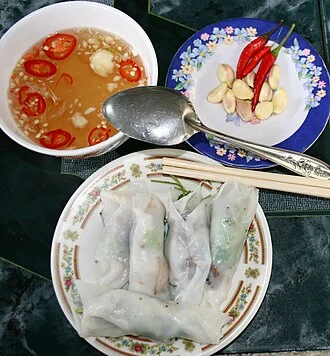
Banh Cuon

Bánh Cuốn
bahn coo-on

Steamed rice rolls filled with minced pork and mushrooms.

Open Banh Cuon recipe
Main course Meat

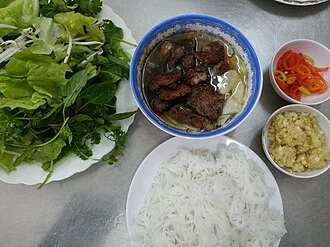
Bun Cha

Bún Chả
boon chah

Grilled pork with rice noodles and dipping sauce, served with herbs.

Open Bun Cha recipe
Main course Fish & Seafood

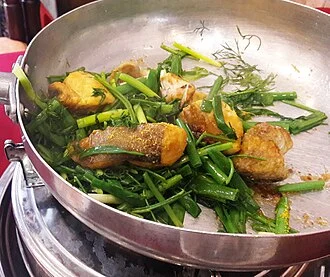
Cha Ca

Chả Cá
chah kah

Grilled fish seasoned with turmeric and dill, served with noodles.

Open Cha Ca recipe
Soup Fish & Seafood

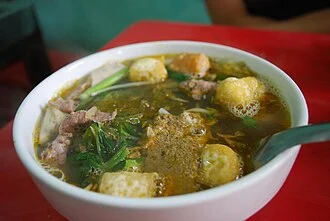
Crab Noodle Soup

Bún Riêu
Boon Ree-yoo

A tangy tomato-based soup with crab and rice noodles.

Open Crab Noodle Soup recipe
Starter Fish & Seafood

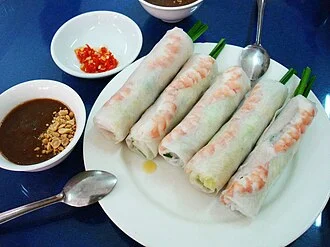
Fresh Spring Rolls

Gỏi Cuốn
Goy Koon

Rice paper rolls filled with shrimp, herbs, and vegetables.

Open Fresh Spring Rolls recipe
Drink Vegetarian

Hanoi Egg Coffee

Cà Phê Trứng
Ka Feh Trung

A rich, creamy coffee topped with whipped egg foam

Open Hanoi Egg Coffee recipe
Snack Fish & Seafood

Nem Cua Be

Nem cua bể
Nem Coo-ah Bay

Crispy crab spring rolls, a crunchy treat.

Open Nem Cua Be recipe
Soup Meat

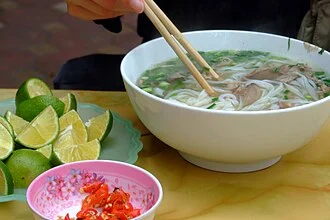
Pho

Phở
fuh

A fragrant noodle soup with beef or chicken, herbs, and spices.

Open Pho recipe
Main course Fish & Seafood

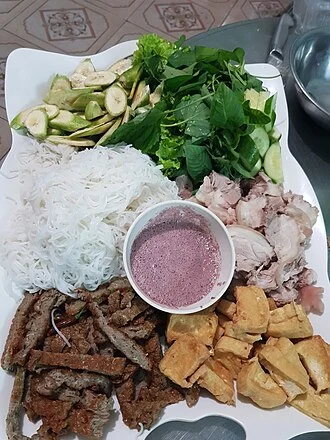
Rice Vermicelli with Fried Tofu and Shrimp Paste

Bún Đậu Mắm Tôm
Boon Duh Ow Muhm Tohm

A vibrant platter of fried tofu, rice vermicelli and shrimp paste.

Open Rice Vermicelli with Fried Tofu and Shrimp Paste recipe
Snack Meat

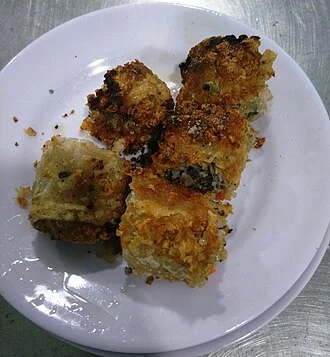
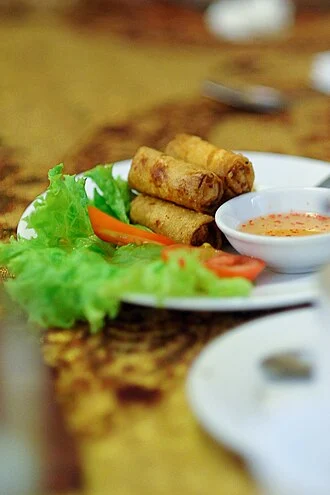
Vietnamese Spring Rolls

Nem rán
Nem ran

Crispy fried rolls filled with pork, mushrooms, and vegetables.

Open Vietnamese Spring Rolls recipe
Breakfast Vegetarian

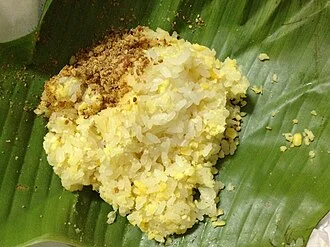
Xôi Xéo

Soy Sa-oo

Turmeric sticky rice topped with mung bean puree and fried shallots.

Open Xôi Xéo recipe

Activities & Experiences

Things to Do in Hanoi

Top-rated tours, day trips and local experiences — book in advance to secure your spot.

City & Country Data Hanoi (Vietnam)

Key travel data for Hanoi — local prices, safety, healthcare, local currency and essentials, curated by Triplandio.

Safety 🔒 70
Health 🏥 45
Lifestyle ⭐ 42
Infra 🏗️ 52
Rank 🎯 #55
Score 📊 44
Tourists ✈️ 3.8M/y
GDP/cap 💵 $5.1k
Life Exp ❤️ 74.7 yrs
Population 👥 101.6M
Currency 💱 VND ₫
Language 🗣️ Vietnamese
Payments 💳 Mixed
Emergency 🆘 113
Coffee ☕ $2.00
Beer 🍺 $1.10
Lunch 🍽️ $2.50
Groceries 🛒 $10.00/w
Taxi/km 🚕 $0.50
Transit 🚇 $0.30
Fuel ⛽ $1.00/l
Internet 📡 $20.00/m
Salary 💵 $300/m

Travel tipsHanoi (Vietnam)

Quick tips

  1. Vapes are banned — Critical

    Vapes and related products are illegal in Vietnam. You cannot buy them there or bring them into the country, so leave e-cigarettes and refills at home.

  2. Drug offences can carry the death penalty — Critical

    Possessing, using or smuggling any drug, including cannabis and in any amount, means long prison sentences and heavy fines in Vietnam. The most serious cases can carry the death penalty, and airport scanners also check transit bags.

  3. A positive drug test is enough — Critical

    Police raid bars and clubs and test people at parties in Vietnam. A positive test can lead to criminal charges even if you took the drug before you arrived in the country.

  4. Hold bags away from the traffic — Caution

    Thieves on motorbikes snatch bags and phones from pedestrians across Vietnam's cities. Carry your bag on the side away from the road and don't hold your phone out at the kerb.

  5. Your passport must be undamaged — Good to know

    Vietnam refuses entry, and sometimes exit, to travellers with a torn, water-damaged or worn passport. It also needs 6 months' validity and 2 blank pages.

  • Do
  • Carry a copy of your passport
  • Book taxis through Grab or Xanh SM
  • Count the zeros on your change
  • Cover shoulders and knees at temples
  • Wear a helmet on every motorbike
  • Don’t
  • Bring a vape
  • Leave your passport as a deposit
  • Drink spirits of unknown origin
  • Criticise the government in public
  • Walk on the kerb side with your bag

Hanoi tips for history lovers

Read the Old Quarter’s street names

Many streets begin with “Hàng”, meaning goods — Hàng Bạc for silver, Hàng Mã for paper offerings. Some still sell what their names promise, so the street signs are a free history lesson.

Tip: Street names tell the story

Walk Long Biên Bridge

The French bridge from 1903 is closed to cars; only trains, motorbikes, bicycles and pedestrians use it. Walk out from the Old Quarter side for views of the river and the bomb-repaired spans.

Tip: A 1903 bridge on foot

Hanoi for history lovers: FAQ

When is the best time to visit Hanoi?

The best time to visit Hanoi is November and October — fewer crowds, comfortable temperatures, less rain and more sunshine. Compare every month in the seasonal chart above.

What is the best area in Hanoi for history lovers?

The Old Quarter round Hoàn Kiếm Lake is the best all-round base: temples, guild streets and the water puppets are on the doorstep, and Ba Đình and the French Quarter are a 15–20 minute walk away.

How many days do I need for Hanoi’s history?

Three days is ideal: one for the Old Quarter and Hoàn Kiếm Lake, one for Ba Đình, the citadel and the Temple of Literature, and one for the French Quarter museums and Hỏa Lò Prison.

Is the Temple of Literature worth visiting?

Yes. It was founded in 1070 and became Vietnam’s first university a few years later; its courtyards and stone stelae of successful scholars are the best preserved early buildings in Hanoi. Go early to avoid groups.

What is Hỏa Lò Prison?

A prison built by the French around 1900 for Vietnamese political prisoners, later used for American pilots, who called it the “Hanoi Hilton”. Part of it survives as a museum in the French Quarter.

Where can I see traditional culture in the evening?

The Thăng Long Water Puppet Theatre by Hoàn Kiếm Lake has several shows every afternoon and evening, and the Opera House hosts concerts and Vietnamese plays.

A thousand years of Hanoi, on foot

★ For culture & history
Hanoi has been Vietnam’s capital, on and off, for a thousand years, and every layer is still visible. This guide picks four bases for history lovers — the Old Quarter round Hoàn Kiếm Lake, the colonial French Quarter, Ba Đình with its citadel and mausoleum, and Long Biên across the old French bridge — with a walk through the history of each.
  • Handpicked hotels
  • Areas close to the history
  • Museums and landmarks on foot
  • Updated 2026
Asia — Vietnam — Hanoi — Where to Stay in Hanoi for History and Culture
keyboard_arrow_up