Explore Guides
ASIA / CHINA
Triplandio Hong Kong guide covers 12 travel guides across 30 areas, complete with hotel picks. Explore 48 self-guided walking tours in Hong Kong with 201 POI, spanning 160.1 km in total. Get inspired by 19 local dishes, complete with recipes and our unique Food Flavour DNA graph.
Hong Kong
City & Country Data Hong Kong (China)

Key travel data for Hong Kong — local prices, safety, healthcare, local currency and essentials, curated by Triplandio.
🌍 China
Safety
43
Health
64
Lifestyle
34
Infra
85
Rank
#50
Score
47
Tourists
30.4M/y
GDP/cap
$13.9k
Life Exp
78.0 yrs
Population
1.4B
Currency
CNY ¥
Language
Chinese
Payments
Cards OK
Emergency
110
💰 Prices in Hong Kong
Coffee
$5.00
Beer
$6.50
Lunch
$7.50
Groceries
$50.00/w
Taxi/km
$1.50
Transit
$1.50
Fuel
$1.50/l
Internet
$50.00/m
Salary
$3,000/m
Travel tipsHong Kong (China)

Quick tips
- Vapes are banned, even in your bag — Critical
Bringing e-cigarettes or heated tobacco devices into Hong Kong is prohibited, and since 30 April 2026 carrying one in any public place is an offence too. You can face prison and heavy fines; leave them at home.
- CBD products count as dangerous drugs — Critical
Hong Kong treats CBD (cannabidiol) like other cannabis drugs, so CBD oils, creams, sweets and capsules are illegal to bring in or carry. Drug offences, even in airport transit, bring severe prison sentences.
- National security laws cover what you post — Critical
Hong Kong's broadly worded national security laws cover sedition and criticism of the Hong Kong or Chinese governments, including online posts made abroad. Offences can mean long prison terms; avoid protests and political slogans.
- Only 19 cigarettes are duty-free — Caution
Hong Kong's duty-free allowance is just 19 cigarettes (or 1 cigar or 25 g of tobacco) and 1 litre of spirits per adult. Declare anything above that at customs, or it can be seized and you can be fined.
- Hong Kong is not mainland China for visitors — Good to know
Hong Kong runs its own immigration, currency (the Hong Kong dollar) and laws. Mainland China's visa rules don't apply here, Google and WhatsApp work normally, and going to the mainland means crossing a full border.
- Do
- Tap an Octopus card on transport
- Stand right on MTR escalators
- Carry your passport for day trips
- Check typhoon signals May–November
- Stay on marked hiking trails
- Don’t
- Bring a vape or CBD products
- Eat or drink on the MTR
- Post or wear political slogans
- Litter or spit in the street
- Feed the wild monkeys
Critical
Prison or heavy penalty possible
Scams & safety
- Drink spiking in nightlife areas — Critical
Drink spiking and sexual assault are rare in Hong Kong but do happen, including in bar districts. Never leave a drink unattended or accept one from a stranger.
Laws & fines
- Weapons that look harmless are illegal — Critical
Stun guns, knuckledusters, swords and other martial arts or sharp-edged items are illegal to carry into Hong Kong. Leave souvenir blades and self-defence gadgets at home, as they can lead to a fine or prison.
Hiking, beaches & outdoors
- Typhoon Signal 8 shuts the city — Critical
From May to November, typhoons can bring flooding and landslides. When the Typhoon Signal No. 8 is raised, offices and public transport shut down; get back to your hotel and follow the Hong Kong Observatory.
Caution
Fines, losses or injury possible
Scams & safety
- Fake monks asking for donations — Caution
People dressed as Buddhist monks in Central, Mong Kok and at tourist spots hand out amulets and then demand a donation. Genuine monks in Hong Kong don't solicit money on the street, so walk on.
- Bait-and-switch electronics shops — Caution
Some small camera and phone shops in Tsim Sha Tsui and Mong Kok swap in cheaper models or add accessories you didn't ask for. Check the box and receipt, or buy at big chains.
Laws & fines
- On-the-spot fines for littering and spitting — Caution
Hong Kong hands out on-the-spot fines for littering, spitting and jaywalking, and enforcement is real. Use the bins, and cross roads at the green signal.
- No eating or drinking on the MTR — Caution
Eating and drinking are banned on MTR (Mass Transit Railway) trains and inside the paid areas of stations, and staff can fine you. Finish your snack or bubble tea before you go through the gates.
- Smoking bans cover most public places — Caution
Smoking is banned in restaurants, bars, shopping centres, public transport, parks, beaches and many bus stops in Hong Kong, with fixed-penalty fines. Look for bins with an ashtray on top in the open street.
- Ivory souvenirs are illegal — Caution
Importing or re-exporting elephant ivory, including small carvings sold as souvenirs, is illegal in Hong Kong and can mean a fine or prison. Don't buy anything that could be ivory.
- Leaving with baby formula is limited — Caution
Anyone aged 16 or over may take no more than 1.8 kg of powdered baby formula (about two tins) out of Hong Kong. Breaking the rule can mean a fine or up to 2 years in prison.
Entry & visa
- Declare restricted goods at customs — Caution
Hong Kong customs expect you to declare anything prohibited or taxable, including tobacco or alcohol above the allowance. The same rules apply to children aged 3 and over.
Hiking, beaches & outdoors
- Swim at lifeguarded beaches — Caution
Swim at official beaches with lifeguards and shark nets, such as Repulse Bay or Shek O, and only during lifeguard hours. Stay out of the water when the red flag is flying.
- Don't feed wild monkeys — Caution
Feeding wild animals, including the macaques in Kowloon's country parks, is illegal in Hong Kong and can bring heavy fines. Keep food out of sight, as monkeys snatch bags.
Good to know
Rules and useful facts
Scams & safety
- Pickpockets at night markets — Good to know
Temple Street and the Ladies' Market in Mong Kok get very crowded in the evening. Keep your phone and wallet in front pockets, and watch your bags when checking in and out of hotels.
- Move away from demonstrations — Good to know
Protests are rare in Hong Kong now, but they can start without warning. If you see one, walk away and follow police instructions, as joining or filming can draw national security attention.
Laws & fines
- Don't photograph military sites — Good to know
Taking photos of military installations in Hong Kong is not allowed. Watch for no-photography signs around barracks and government security areas.
Tipping & money
- Hong Kong dollars, not yuan — Good to know
Hong Kong uses the Hong Kong dollar (HKD). Chinese yuan and Macau patacas are not normally accepted, so change money or use ATMs, which are everywhere and accept foreign cards.
Entry & visa
- Visa-free stays depend on your passport — Good to know
Hong Kong sets its own visa rules, separate from mainland China. Many nationalities can visit without a visa for 7 to 180 days; British citizens can stay up to 6 months. Check the Hong Kong Immigration Department for your passport.
- Passport valid for your whole stay — Good to know
British citizens need a passport valid for at least one month after the date they leave Hong Kong. Other nationalities may need longer, so check before you book.
- BN(O) passports are not accepted — Good to know
Hong Kong no longer accepts the British National (Overseas) passport, known as BN(O), for immigration or as proof of identity. Travel on another valid passport.
- A mainland day trip needs a Chinese visa — Good to know
Crossing from Hong Kong into mainland China, for example to Shenzhen, means passing a full border. Check whether your passport qualifies for visa-free entry to mainland China or get a Chinese visa first.
Health
- Emergency number is 999 — Good to know
Call 999 in Hong Kong for an ambulance, fire or police. Public hospital emergency departments treat everyone, but visitors pay much higher fees than residents.
- Medical care is expensive without insurance — Good to know
Treatment for uninsured foreign visitors in Hong Kong is expensive, in both public and private hospitals. Travel insurance that covers medical costs is essential.
- Bring enough prescription medicine — Good to know
In Hong Kong you can only get prescribed medicines through a local doctor, unless your home prescription says you will need it there. Bring enough for the whole trip in original packaging with a copy of the prescription.
- Tap water is treated but often boiled — Good to know
Hong Kong's tap water is treated to high standards, but old pipes in some buildings affect quality, so many locals boil it. Bottled water is cheap and sold everywhere.
- Heat and humidity from May to September — Good to know
Hong Kong summers are hot and very humid. Drink plenty of water, rest in air-conditioning and take extra care when the Hong Kong Observatory issues a Very Hot Weather Warning.
- Mosquitoes can carry dengue — Good to know
Dengue fever cases occur in Hong Kong, mostly in the warm months. Use insect repellent, especially in parks, on hiking trails and at dawn and dusk.
Hiking, beaches & outdoors
- Stay on marked trails in country parks — Good to know
Hong Kong's country parks cover much of its land, with trails like the Dragon's Back and the MacLehose Trail. Stay on marked paths, carry plenty of water and leave valuables at home, as hikers are sometimes robbed.
- Driving is on the left — Good to know
Traffic in Hong Kong drives on the left. Visitors from the UK can drive on their licence for up to 12 months; car hire companies often ask for an International Driving Permit (IDP) and a minimum age; public transport is usually easier.
Local tips
Local know-how
Getting around
- Airport → centre by Airport Express — Local tip
The Airport Express train reaches Hong Kong Station in Central in about 24 minutes, costing roughly HK$115 one way. Cheaper A-route buses such as the A21 to Kowloon take about an hour.
- Get an Octopus card — Local tip
The Octopus card, Hong Kong's stored-value travel card, pays for the MTR (Mass Transit Railway), buses, trams, the Star Ferry and even convenience stores. Buy one at the airport or at MTR customer service counters.
- Taxis by colour — Local tip
Red taxis serve most of the city, green ones the New Territories and blue ones Lantau Island. All use meters, and cross-harbour trips add a tunnel toll.
- Star Ferry and trams — Local tip
The Star Ferry across Victoria Harbour and the old double-decker trams on Hong Kong Island are cheap, scenic and accept the Octopus card.
- Ferries and buses to Macau — Local tip
High-speed ferries leave for Macau from the Sheung Wan ferry terminal, and shuttle buses cross the Hong Kong–Zhuhai–Macau Bridge from near the airport. Both involve passing immigration, so carry your passport.
Customs
- Queue, and stand right on escalators — Local tip
People in Hong Kong queue in orderly lines for buses, taxis and trains. On escalators in the MTR (metro), stand on the right and leave the left free for people walking.
- Sharing tables is normal — Local tip
In busy cha chaan teng (traditional Hong Kong cafés) and dim sum halls, staff may seat you with strangers. It is normal, so just nod and eat; service is fast and staff expect you not to linger at peak times.
- Give and receive with both hands — Local tip
When you hand over a business card, a gift or money, use both hands as a sign of respect. Don't stick chopsticks upright in a bowl of rice, as it recalls incense at funerals.
- Numbers and colours matter — Local tip
The number 4 sounds like the Cantonese word for death, so many buildings skip fourth floors. When giving gifts, avoid clocks and white or black wrapping, which are linked with funerals.
- Keep your voice down on public transport — Local tip
Loud phone calls and music without headphones on the MTR (metro), buses and trams are frowned on. A calm, polite manner also gets better results than raising your voice with staff.
Tipping & money
- Restaurants add a service charge — Local tip
Most sit-down restaurants in Hong Kong add a 10% service charge to the bill, so no extra tip is needed. At small cafés and noodle shops, where there is no charge, leaving the coins is enough.
- Round up taxis, tip porters small — Local tip
Taxi drivers don't expect tips, but rounding up to the next dollar or two is common. Give hotel porters around HK$10–20 per bag.
- Bargain at street markets only — Local tip
Haggling is expected at street markets like Temple Street and the Ladies' Market. Prices in shops, malls and restaurants are fixed.
- Octopus card pays for small things — Local tip
Hong Kong's Octopus stored-value card works in convenience stores, supermarkets, cafés and vending machines as well as on transport. Credit cards are widely accepted in shops and hotels, but small eateries may be cash or Octopus only.
Say it locally
Cantonese is the everyday language; say “m-goi” for small services and “do-je” for gifts. English is widely understood in hotels and shops.
Through the year
Festival or season Public holiday (exact date)
- Typhoon season
May–Nov 2026 · Typhoons can close Hong Kong for a day or more; Signal No. 8 shuts offices and public transport. Check the Hong Kong Observatory.
- Best weather for hiking
Oct–Dec 2026 · Autumn brings clear skies, lower humidity and the best views from the Peak and country park trails.
- Christmas Day
Fri 25 Dec 2026 · Public holiday
- First Weekday After Christmas Day
Sat 26 Dec 2026 · Public holiday
- Lunar New Year
Jan–Feb 2027 · Flower markets, a harbour fireworks show and parades; some small shops close for several days.
- New Year's Day
Fri 1 Jan 2027 · Public holiday
- Lunar New Year's Day
Sat 6 Feb 2027 · Public holiday
- Second Day of Lunar New Year
Sun 7 Feb 2027 · Public holiday
- Third Day of Lunar New Year
Mon 8 Feb 2027 · Public holiday
- Fourth Day of Lunar New Year
Tue 9 Feb 2027 · Public holiday
- Art Basel Hong Kong
Mar 2027 · The big contemporary art fair fills galleries and hotels in March; book rooms early.
- Good Friday
Fri 26 Mar 2027 · Public holiday
- Holy Saturday
Sat 27 Mar 2027 · Public holiday
- Easter Monday
Mon 29 Mar 2027 · Public holiday
- Cheung Chau Bun Festival
Apr–May 2027 · Island festival with a parade and bun-tower climbing, held around the Buddha's Birthday; ferries are packed.
- Tomb Sweeping Day
Mon 5 Apr 2027 · Public holiday
- Hot, wet summer
May–Sep 2027 · Very humid, with heavy downpours; Amber, Red and Black Rainstorm warnings can flood streets. Plan indoor backups.
- Mainland Golden Weeks
May 2027, Oct 2027 · Around 1 May and 1–7 October, mainland Chinese visitors crowd Hong Kong's shops, sights and border crossings.
- Labour Day
Sat 1 May 2027 · Public holiday
- Buddha's Birthday
Thu 13 May 2027 · Public holiday
- Dragon Boat Festival
Wed 9 Jun 2027 · Public holiday
- Hong Kong Special Administrative Region Establishment Day
Thu 1 Jul 2027 · Public holiday
- Day after Mid-Autumn Festival
Thu 16 Sep 2027 · Public holiday
- National Day
Fri 1 Oct 2027 · Public holiday
- Chung Yeung Festival
Fri 8 Oct 2027 · Public holiday
Sources: GOV.UK travel advice · Google public holidays
Best time to visit Hong Kong (China)
Now (November) avg high: 25°C, wetter month, full season — expect crowds. Best months to walk: Dec & Nov.
Live Temp
…
~Day / Night Temp
25°C / 18°C
Sunrise / Sunset
6:32 / 17:43
Local time
15:43
Sea Temp
24°C
Best Months  Dec & Nov
J
Jan
F
Feb
M
Mar
A
Apr
M
May
J
Jun
J
Jul
A
Aug
S
Sep
O
Oct
N
Nov
 D
Dec
D
Dec
Check Hong Kong hotels
Temperature
Average daytime high, month by month. Zero line marks freezing point.
Crowds
How busy it gets — traveller interest by month.
Sea temperature
Sea warmth for swimming, by month.
Rainfall
Rainy days to expect each month.
Sunshine
Hours of sun per day, by month.
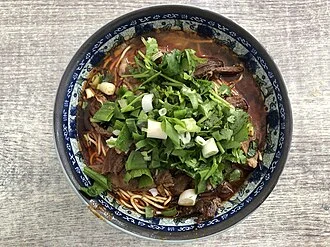
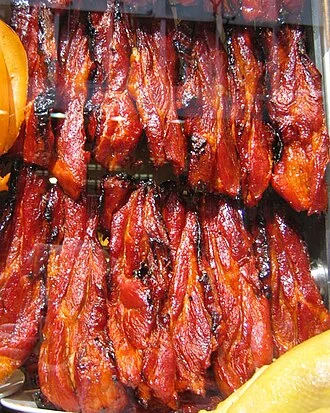
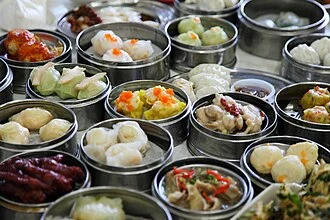
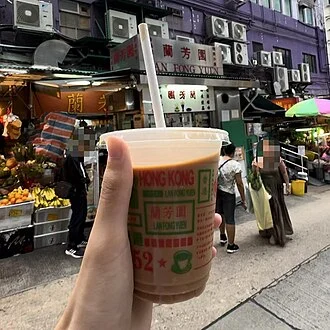
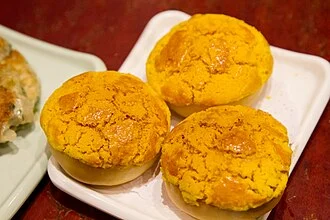
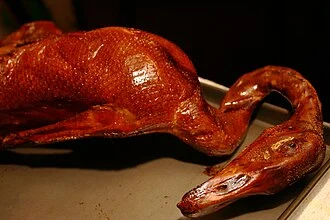
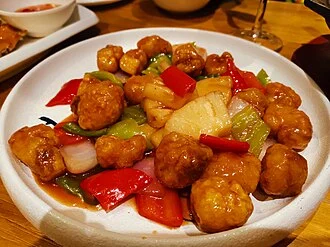
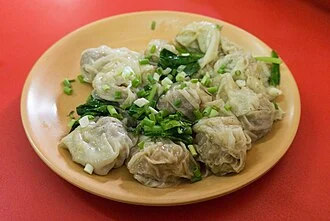
A comforting noodle soup with tender beef brisket and rich broth. Sweet and savory Cantonese-style barbecued pork. A variety of small, flavorful Cantonese dishes, typically served with tea. A creamy and rich black tea mixed with evaporated milk. A sweet bun that resembles a pineapple due to its crackly top. Cantonese-style roasted goose with crispy skin and tender meat. Crispy pork pieces in a tangy sweet and sour sauce. A delicately flavored soup with wonton dumplings, commonly filled with shrimp or pork.
Traditional Local Food
Hong Kong (China)
Soup
Meat
Beef Brisket Noodle Soup
牛腩麵
Ngauh lam min
Main course
Meat
Char Siu
叉燒
Cha siu
Snack
Fish & Seafood
Dim Sum
點心
Deem summ
Drink
Vegetarian
Hong Kong-Style Milk Tea
港式奶茶
gong sik neih cha
Snack
Vegetarian
Pineapple Bun
菠蘿包
bo-law bao
Main course
Meat
Roast Goose
燒鵝
Siu ngo
Main course
Meat
Sweet and Sour Pork
咕嚕肉
goo lo yuk
Soup
Fish & Seafood
Wonton Soup
云吞汤
woon tun tong