Explore Guides
AFRICA / TUNISIA
Triplandio Hammamet guide covers 3 travel guides across 11 areas, complete with hotel picks. Explore 11 self-guided walking tours in Hammamet with 27 POI, spanning 20.2 km in total. Get inspired by 5 local dishes, complete with recipes and our unique Food Flavour DNA graph.
Hammamet
City & Country Data Hammamet (Tunisia)

Key travel data for Hammamet — local prices, safety, healthcare, local currency and essentials, curated by Triplandio.
🌍 Tunisia
Safety
50
Health
43
Lifestyle
56
Infra
33
Rank
#77
Score
30
Tourists
2.0M/y
GDP/cap
$4.7k
Life Exp
76.7 yrs
Population
12.3M
Currency
TND د.ت
Language
Arabic
Payments
Cards OK
Emergency
197
💰 Prices in Hammamet
Coffee
$1.35
Beer
$2.20
Lunch
$7.00
Groceries
$7.00/w
Taxi/km
$0.35
Transit
$0.35
Fuel
$0.80/l
Internet
$22.00/m
Salary
$350/m
Travel tipsHammamet (Tunisia)

Quick tips
- Antiquities need an export permit — Critical
Taking any antiquity out of Tunisia requires permission from the authorities in advance. Leaving with an undeclared item can mean a fine and a prison sentence, so avoid “ancient” coins and pottery from sellers.
- Stay out of the border zones — Critical
Governments advise against travel to parts of western Tunisia near Algeria, including Chaambi Mountains National Park and Kasserine, and to areas near the Libyan border, because of terrorist activity.
- Leave the drone and smart glasses at home — Caution
Tunisia confiscates drones brought in without authorisation, and can hold smart glasses and walkie-talkies, even toy ones, until you leave. Check the rules before packing any recording gadget.
- You can't take dinars out — Caution
The Tunisian dinar is a closed currency: taking it out of the country is not allowed. Declare foreign cash if required on arrival, keep exchange receipts, and change leftover dinars back before you fly.
- Carry a copy of your passport — Good to know
Foreigners in Tunisia must carry ID, such as a copy of the passport photo page, and security officials can ask for it at any time, including at checkpoints on the edges of towns.
- Do
- Carry a copy of your passport
- Keep currency exchange receipts
- Cover up in towns and medinas
- Bargain with a smile in the souks
- Book desert trips with licensed guides
- Don’t
- Pack a drone or smart glasses
- Take dinars out of the country
- Buy antiquities without a permit
- Photograph police or army posts
- Travel near the Libyan border
Critical
Prison or heavy penalty possible
Laws & fines
- Drug penalties are severe — Critical
Bringing or carrying any illegal drug in Tunisia can mean a long prison sentence and heavy fines, whatever the amount and even if it is legal where you live.
- Same-sex relations are illegal — Critical
Same-sex sexual activity is illegal in Tunisia, and LGBT+ people have been targeted by criminals. Avoid public displays of affection and be careful with dating apps.
Beaches & adventure
- Strict drink-driving limit — Critical
Drink-driving is a serious offence in Tunisia and the legal alcohol limit is stricter than in the UK. Don't drink at all if you're driving.
- Terrorist attacks remain likely — Critical
Terrorists are likely to try to attack in Tunisia; in 2015, 38 tourists were killed on a beach near Sousse and 21 at the Bardo Museum in Tunis. Stay alert at tourist sites, festivals and crowded places, and follow security staff.
Caution
Fines, losses or injury possible
Scams & safety
- The “special market today” trick — Caution
Friendly strangers in Hammamet claim there's a Berber market or festival “only today” and offer to take you, ending at a shop that pays them commission. Politely decline.
- “I work at your hotel” — Caution
A man says he recognises you from your hotel and offers to show you the medina, then expects a big tip or leads you to a carpet shop. Hotel staff rarely do this.
Laws & fines
- No photos of official buildings — Caution
Don't photograph government buildings, police, military sites or checkpoints in Tunisia. Doing so can lead to questioning and the loss of your photos or camera.
- Tension around migrants in Sfax — Caution
Anti-migrant protests and violence have hit some Tunisian coastal towns, such as Sfax, with little warning. Anyone perceived to be of sub-Saharan African origin could be affected, so check local news and avoid gatherings.
Customs
- Harassment of women — Caution
Sexual harassment of women is reported more often in summer, in busy places at night and on quiet beaches and parks by day. Stay in busier areas and be firm with anyone who pesters you.
Entry & visa
- Overstaying means a fine — Caution
Border officials check the length of your stay when you leave. Overstaying the 90 days without a valid reason means a fine, payable at the airport on departure.
Beaches & adventure
- Follow the beach flags — Caution
Some Tunisian beaches use warning flags, but many have no lifeguards. Understand the flags, supervise children closely, and ask locally before swimming where there are no signs.
- Wear a helmet on quad bikes — Caution
Quad bike rides are popular in desert resorts such as Douz and Tozeur, but safety standards vary a lot. Always wear a crash helmet and check the vehicle first.
Good to know
Rules and useful facts
Scams & safety
- Travel advisory: Level 2 of 4 — Good to know
Exercise Increased Caution — the U.S. State Department's rating for Tunisia.
- Take care on quiet beaches — Good to know
Harassment and theft are more likely on empty stretches of beach. Stay on busier beaches near hotels and don't leave belongings unattended.
Laws & fines
- Alcohol rules outside the resorts — Good to know
Tunisian supermarkets don't sell alcohol on Fridays, and alcohol sales are banned during Ramadan outside the resorts. Hotels and bars in holiday resorts still serve drinks.
- Keep away from protests — Good to know
A state of emergency has been in place since 2015. Protests happen mostly at weekends and on dates such as 14 January and 17 December; avoid them and obey any curfew.
- Strikes can stop transport — Good to know
Labour strikes in Tunisia sometimes halt trains, buses, ports and flights at short notice. Keep an eye on local news and leave slack before an international flight.
Customs
- Respect the fast during Ramadan — Good to know
During Ramadan, avoid eating, drinking, smoking or chewing gum in public during daylight outside resorts. Expect shorter opening hours and restaurants screening diners from view.
Tipping & money
- Pay the hotel tax — Good to know
Hotels charge a tourist tax of 8 dinars per person per night at 3-star hotels and 12 dinars at 4- and 5-star hotels, for up to ten nights. It isn't refunded if you leave early.
Entry & visa
- Visa-free for up to 90 days — Good to know
Many visitors, including UK, US, Canadian and most EU citizens, can stay in Tunisia without a visa for up to 90 days. Your passport must be valid for your whole stay.
- Have your hotel booking ready — Good to know
Tunisian border officials can ask for your contact details, return ticket and proof of accommodation. Some visitors without proof of where they are staying have been refused entry.
- A damaged passport can cause trouble — Good to know
Travellers entering Tunisia with a torn or damaged passport have had problems leaving the country. Replace a damaged passport before you go.
Health
- Ambulance number is 190 — Good to know
In Tunisia, call 190 for an ambulance. Contact your insurer quickly if you are taken to a clinic.
- Clinics want payment up front — Good to know
Foreigners get no free medical care in Tunisia. Private clinics expect payment on the spot, sometimes before treatment, so travel insurance and access to funds are essential.
- Carry a doctor's note for medicines — Good to know
Bring prescription medicines to Tunisia in their original packaging with a doctor's letter confirming they are prescribed to you.
- Drink bottled water — Good to know
Most visitors to Tunisia drink bottled water, which is cheap and sold everywhere. Take care with salads and ice outside good hotels and restaurants.
- Heat in summer and in the desert — Good to know
Tunisian summers are very hot, and the Sahara is extreme in the middle of the day. Drink plenty, cover your head and plan outings for early morning and evening.
Beaches & adventure
- Driving needs an IDP and green card — Good to know
To drive in Tunisia, carry your licence plus the 1968 International Driving Permit (IDP), got before you leave home, and a green card proving insurance. Avoid driving outside towns at night: roads are unlit, with unlit vehicles and livestock.
- Go into the Sahara with a guide — Good to know
Desert trips from Douz or Tozeur should be booked with a licensed operator who knows the routes and carries water, fuel and a phone. Never head off into the dunes alone.
- Summer power cuts — Good to know
In summer heatwaves, Tunisia's electricity company can cut power temporarily, affecting air conditioning, phone signal, internet and sometimes cash machines and card payments, even in hotels. Keep some cash and a charged power bank.
Local tips
Local know-how
Scams & safety
- Agree camel and horse ride prices — Local tip
On Hammamet's beaches, agree the full price and length of a camel or horse ride before you get on, and pay at the end.
Getting around
- Enfidha–Hammamet airport (NBE) — Local tip
Most holiday flights land at Enfidha–Hammamet airport, roughly 45–60 minutes by road from Hammamet. Package tours include transfers; otherwise book a taxi in advance.
- Flying into Tunis-Carthage (TUN) — Local tip
From Tunis-Carthage airport, Hammamet is about an hour's drive. Use an official taxi or pre-booked transfer.
- Yellow taxis use the meter — Local tip
Hammamet's yellow taxis have meters. Ask the driver to switch it on, or agree the fare before you set off; night rates are higher.
- Old town to Yasmine Hammamet — Local tip
The medina and the newer Yasmine Hammamet marina resort are several kilometres apart along the coast; a taxi between them is quick and cheap.
Customs
- Dress modestly away from the beach — Local tip
Beachwear is fine in Tunisian resorts, but cover shoulders and knees in towns, villages, medinas (old walled quarters) and at religious sites.
- Mosques are mostly closed to non-Muslims — Local tip
Most Tunisian mosques don't admit non-Muslims. Some, such as the Great Mosque of Kairouan, let visitors into the courtyard at set hours if modestly dressed.
Tipping & money
- Tipping is appreciated — Local tip
In Tunisian restaurants, about 10% is a usual tip if service isn't included. Leave small change in cafés, and a few dinars for guides, porters and drivers.
- Bargain in the souks — Local tip
Haggling is expected in Tunisian souks (markets). Start well below the asking price, stay friendly, and walk away if the price doesn't suit you.
- Cash rules outside hotels — Local tip
Hotels and larger shops take cards, but taxis, markets and small cafés in Tunisia want cash in dinars. Use cash machines inside banks, and keep your exchange receipts.
Say it locally
French is widely spoken too; a few words of Tunisian Arabic (Derja) earn big smiles.
Through the year
Festival or season Public holiday (exact date)
- Sahara season
Oct 2026–Apr 2027 · The cooler months are the time for the desert around Douz and Tozeur; nights can be cold in winter.
- Sahara Festival in Douz
Dec 2026 · Camel races, music and horse displays in the desert town of Douz, usually in late December.
- Revolution and Youth Day
Thu 17 Dec 2026 · Public holiday
- New Year
Fri 1 Jan 2027 · Public holiday
- Ramadan
Feb–Mar 2027 · The Muslim month of fasting moves about 11 days earlier each year and next starts in February 2027; outside resorts, cafés close by day and alcohol sales stop.
- Eid al-Fitr (tentative)
Tue 9 Mar 2027 · Public holiday
- Eid al-Fitr Holiday (tentative)
10–11 Mar 2027 · Public holiday
- Independence Day
Sat 20 Mar 2027 · Public holiday
- Martyrs' Day
Fri 9 Apr 2027 · Public holiday
- Labour Day
Sat 1 May 2027 · Public holiday
- Eid al-Adha (tentative)
Sun 16 May 2027 · Public holiday
- Eid al-Adha Holiday (tentative)
Mon 17 May 2027 · Public holiday
- Peak beach season
Jun–Aug 2027 · Resorts are at their busiest and hottest; Tunisian and other North African families holiday on the coast in July and August.
- Muharram (tentative)
Sun 6 Jun 2027 · Public holiday
- Carthage International Festival
Jul–Aug 2027 · Concerts and shows in the Roman theatre at Carthage, near Tunis, through July and August.
- Hammamet International Festival
Jul–Aug 2027 · Summer concerts and theatre in the open-air amphitheatre of the International Cultural Centre.
- Republic Day
Sun 25 Jul 2027 · Public holiday
- Women’s Day
Fri 13 Aug 2027 · Public holiday
- The Prophet's Birthday (tentative)
Sat 14 Aug 2027 · Public holiday
- Evacuation Day
Fri 15 Oct 2027 · Public holiday
Sources: GOV.UK travel advice · U.S. State Dept · Google public holidays
Best time to visit Hammamet (Tunisia)
Now (November) avg high: 22°C, mostly dry, moderate crowds. Best months to walk: Jul & Aug.
Live Temp
…
~Day / Night Temp
22°C / 14°C
Sunrise / Sunset
6:48 / 17:15
Local time
20:29
Sea Temp
22°C
Best Months  Jul & Aug
J
Jan
F
Feb
M
Mar
A
Apr
M
May
J
Jun
J
Jul
A
Aug
S
Sep
O
Oct
N
Nov
 D
Dec
A
Aug
S
Sep
O
Oct
N
Nov
D
Dec
Check Hammamet hotels
Temperature
Average daytime high, month by month. Zero line marks freezing point.
Crowds
How busy it gets — traveller interest by month.
Sea temperature
Sea warmth for swimming, by month.
Rainfall
Rainy days to expect each month.
Sunshine
Hours of sun per day, by month.
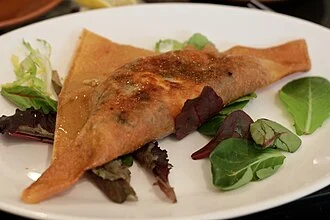
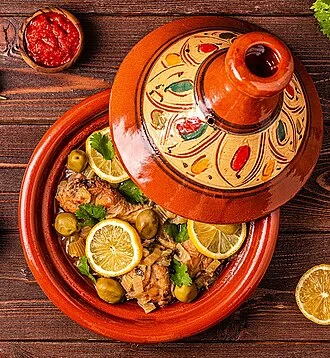
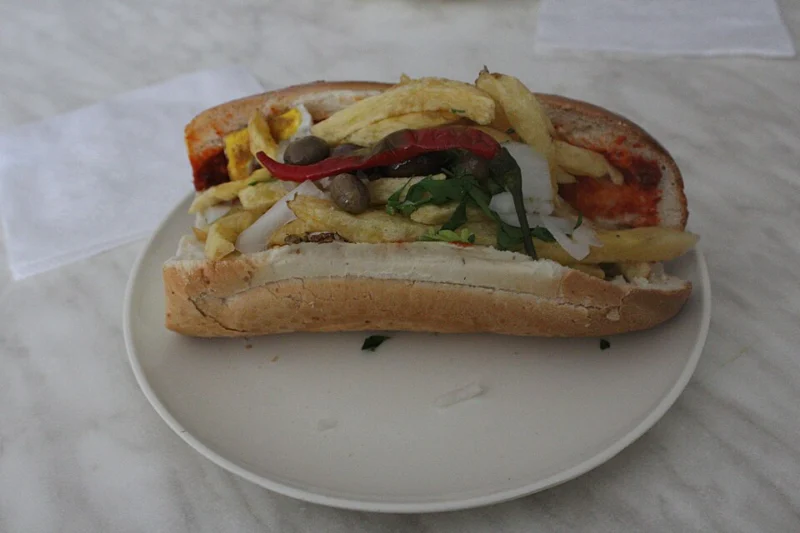
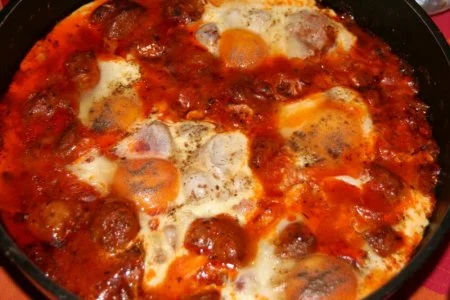
Thin pastry filled with egg, tuna, and spices, deep-fried. A mix of fried vegetables, often served with eggs. Sautéed spicy sausages with tomatoes, peppers, and poached eggs. Oven-baked dish with eggs and meats. Deep-fried sweet dough rings soaked in honey syrup.
Traditional Local Food
Hammamet (Tunisia)
Snack
Fish & Seafood
Brik
بريكة
Bree-k
· Crispy stuffed pastry
 Main course
Vegetarian
Kafteji
كفتاجي
Kaf-te-jee
· Fried vegetable medley
 Main course
Meat
Ojja Merguez
عجة مرقاز
Ojja Mur-gaz
· Spicy sausage with eggs
Main course
Meat
Tagine
طاجين
Taj-een
· Baked egg and meat pie
🌿
Dessert
Vegetarian
Yoyos
يويو
Yo-yos
· Sweet honey donuts