

Explore Guides
AFRICA
Botswana
Triplandio Botswana guide covers 3 travel guides with 1 city across 12 areas, complete with hotel picks. Explore 4 self-guided walking tours in Botswana with 6 POI, spanning 15.1 km in total. Get inspired by 5 local dishes, complete with recipes and our unique Food Flavour DNA graph.
Country Data Botswana

Key travel data for Botswana — safety, healthcare, local currency and essentials, curated by Triplandio.
🌍 Botswana
Tourists
1.8M/y
GDP/cap
$7.8k
Life Exp
69.3 yrs
Population
2.6M
Currency
BWP P
Language
English
Payments
Cash only
Emergency
999
Travel tipsBotswana

Quick tips
- Drug offences can mean 25 years — Critical
Taking or trafficking drugs in Botswana can bring a fine of up to 500,000 pula, a prison sentence of up to 25 years, or both, in poor prison conditions.
- Never swim in rivers or lakes — Critical
Crocodiles, hippos and waterborne diseases make Botswana's rivers and lakes dangerous. Don't bathe or swim in them, even when they look calm.
- Wild animals on the highways — Critical
Elephants, cattle and donkeys wander onto Botswana's roads, inside and outside the parks. Avoid driving after dark, when most collisions happen.
- No photos near military sites — Caution
Photographing or filming near military and government installations is illegal in Botswana. Always ask before photographing people, too.
- Your passport needs 3 blank pages — Good to know
Botswana requires at least 3 blank pages in your passport and 6 months' validity from arrival. You can be refused boarding or entry without them.
- Most safaris start in Maun or Kasane — Local tip
The Okavango Delta is reached from Maun and Chobe National Park from Kasane; Gaborone is far to the south. Many visitors fly in via Johannesburg or combine Chobe with Victoria Falls.
- Do
- Greet with “dumela rra” or “dumela mma”
- Carry extra water and fuel
- Lock your lodge room
- Tip guides and camp staff
- Take malaria precautions in the north
- Don’t
- Drive after dark
- Swim in rivers or lakes
- Photograph military sites
- Buy ivory or animal parts
- Touch dead animals in the bush
Critical
Prison or heavy penalty possible
Laws & fines
- No wildlife products — Critical
Buying, selling, killing or capturing protected wild animals, or trading their parts such as ivory, is illegal in Botswana and punished severely.
Health
- Malaria in the north — Critical
Malaria is present in northern Botswana, including the Okavango and Chobe, and in 2025 spread to areas where it isn't normally found. Ask a travel clinic about antimalarial tablets.
Caution
Fines, losses or injury possible
Laws & fines
- Follow park rules — Caution
In Botswana's national parks and reserves, follow the rules and the advice of rangers, such as staying in your vehicle and keeping to set driving hours.
Entry & visa
- Declare 10,000 pula or more — Caution
Declare cash in any currency worth 10,000 pula or more when entering Botswana, or you could be prosecuted.
Health
- Never touch dead animals — Caution
Anthrax occasionally breaks out among wild animals in Botswana. Don't touch carcasses, and see a doctor urgently if you think you've been exposed.
Safari & outdoors
- Plan remote trips carefully — Caution
Book transport and camps in advance for remote parts of Botswana, carry extra water and fuel, and travel in convoy or with a satellite phone in case of breakdown.
- Floods in the rainy season — Caution
The November–March rains can bring flash floods that make roads unsafe and close border crossings at short notice. Check conditions before driving.
- Dangerous driving — Caution
Speeding and drink-driving cause frequent fatal accidents in Botswana. Drive defensively and don't stop for hitchhikers.
Good to know
Rules and useful facts
Getting between cities
- Good roads, long distances — Good to know
Botswana's main tarred roads are good, but distances are huge and fuel stations far apart. Fill up whenever you can and never drive at night.
- Driving yourself — Good to know
Traffic drives on the left. A UK photocard licence is valid for 90 days; other licences may need an International Driving Permit (IDP). A 4x4 and experience are needed in the parks.
Regions & seasons
- Okavango Delta: dry season — Good to know
The Okavango Delta is best from June to October, when floodwaters are high and animals concentrate on the islands.
Laws & fines
- Carry ID — Good to know
Always carry identification in Botswana. A copy of your passport photo page is usually enough, as long as you can show the original if asked.
- Discreet public affection — Good to know
Same-sex relations are legal in Botswana, but public attitudes are conservative and public displays of affection may attract negative attention.
Tipping & money
- Cards in towns, cash for the bush — Good to know
The currency is the pula (BWP). Cards work in towns and lodges, but carry cash for small shops, fuel stations and remote areas.
- Use ATMs safely — Good to know
Use ATMs inside malls or banks in daylight, and keep cards and cash out of sight, as crime is increasing in larger towns.
Entry & visa
- Travel advisory: Level 2 of 4 — Good to know
Exercise Increased Caution — the U.S. State Department's rating for Botswana.
- 90 days without a visa — Good to know
Many visitors, including British citizens, can visit Botswana for up to 90 days without a visa. Check the rules for your passport before booking.
- Get your entry stamp — Good to know
Make sure your passport is stamped when you enter Botswana. An unstamped passport raises suspicion of illegal entry.
- Birth certificates for children — Good to know
Anyone aged 17 or under needs a full birth certificate (original or certified copy) to enter or leave Botswana. An absent parent must sign a consent affidavit.
- Yellow fever certificate — Good to know
You need a yellow fever vaccination certificate if you arrive from a country with a risk of yellow fever transmission.
Health
- Avoid ticks in the bush — Good to know
Ticks in the Botswana bush can spread dangerous diseases. Wear long trousers and repellent when walking or camping, and check yourself every evening.
- Private care, and pay up front — Good to know
Public hospitals in Botswana still have medicine shortages. Private hospitals are good but expect payment first, and serious cases go to South Africa. Travel insurance is essential.
- Ambulance: 997 — Good to know
In Botswana call 997 for an ambulance. In remote areas help can be hours away, so safari operators carry first aid and evacuation plans.
Safari & outdoors
- Theft from riverside lodges — Good to know
There have been room break-ins and thefts at lodges along the Chobe river. Lock your room and use the safe.
Local tips
Local know-how
Getting between cities
- Flights and light aircraft — Local tip
Scheduled flights link Gaborone, Maun and Kasane. Camps in the Okavango Delta are reached by small charter planes that allow only limited luggage in soft bags.
Regions & seasons
- Chobe: elephants by the river — Local tip
Chobe National Park near Kasane has huge elephant herds along the river, especially in the dry months from July to October.
- Kalahari and salt pans: after the rains — Local tip
The Central Kalahari and Makgadikgadi Pans come alive in the rainy season, when grazing animals arrive.
Customs
- Greet before anything else — Local tip
In Botswana it's polite to greet people before any question: “dumela rra” to a man, “dumela mma” to a woman.
- The Botswana handshake — Local tip
A common handshake is a normal shake, a grip of the thumb, then a normal shake again, often with the left hand touching the right forearm as a sign of respect.
- Ask before taking photos — Local tip
Always ask before photographing people in Botswana, especially in villages. A smile and a question usually get a friendly answer.
Tipping & money
- Tip safari guides and camp staff — Local tip
On safari in Botswana, tips for guides, trackers and camp staff are customary and form part of their income. Ask your operator for guidance.
- Tipping in towns — Local tip
In restaurants in Botswana, about 10% is a common tip if service isn't included. Round up for taxis and help with bags.
Our Botswana city guides
Keep car doors locked at traffic lights and use licensed taxis with blue number plates.
Say it locally
English is official and widely spoken, but opening with “dumela rra” or “dumela mma” shows respect.
Through the year
Festival or season Public holiday (exact date)
- Rainy green season
Nov 2026–Mar 2027 · Afternoon storms, flash floods and lush landscapes; many baby animals and lower lodge prices.
- Zebra migration
Nov 2026–Apr 2027 · Large herds of zebra move to the Makgadikgadi and Nxai Pans with the rains.
- Christmas Day
Fri 25 Dec 2026 · Public holiday
- Boxing Day
Sat 26 Dec 2026 · Public holiday
- New Year's Day
Fri 1 Jan 2027 · Public holiday
- New Year
Sat 2 Jan 2027 · Public holiday
- Good Friday
Fri 26 Mar 2027 · Public holiday
- Holy Saturday
Sat 27 Mar 2027 · Public holiday
- Easter Monday
Mon 29 Mar 2027 · Public holiday
- Dry season and peak safari
May–Oct 2027 · Animals gather at water and are easy to spot; camps in the Okavango and Chobe fill up and prices peak.
- Labour Day
Sat 1 May 2027 · Public holiday
- Ascension Day
Thu 6 May 2027 · Public holiday
- Okavango flood peak
Jun–Aug 2027 · Floodwater from Angola fills the Okavango Delta in the dry winter, ideal for mokoro (dugout canoe) trips; nights can be cold.
- Sir Seretse Khama Day
Thu 1 Jul 2027 · Public holiday
- President's Day
19–20 Jul 2027 · Public holiday
- Botswana Day
30–1 Oct 2027 · Public holiday
- Hottest month
Oct 2027 · Temperatures can pass 40°C before the rains; plan game drives for early morning and late afternoon.
Sources: GOV.UK travel advice · U.S. State Dept · Google public holidays
Traditional Local Food Botswana
Main course
Vegetarian
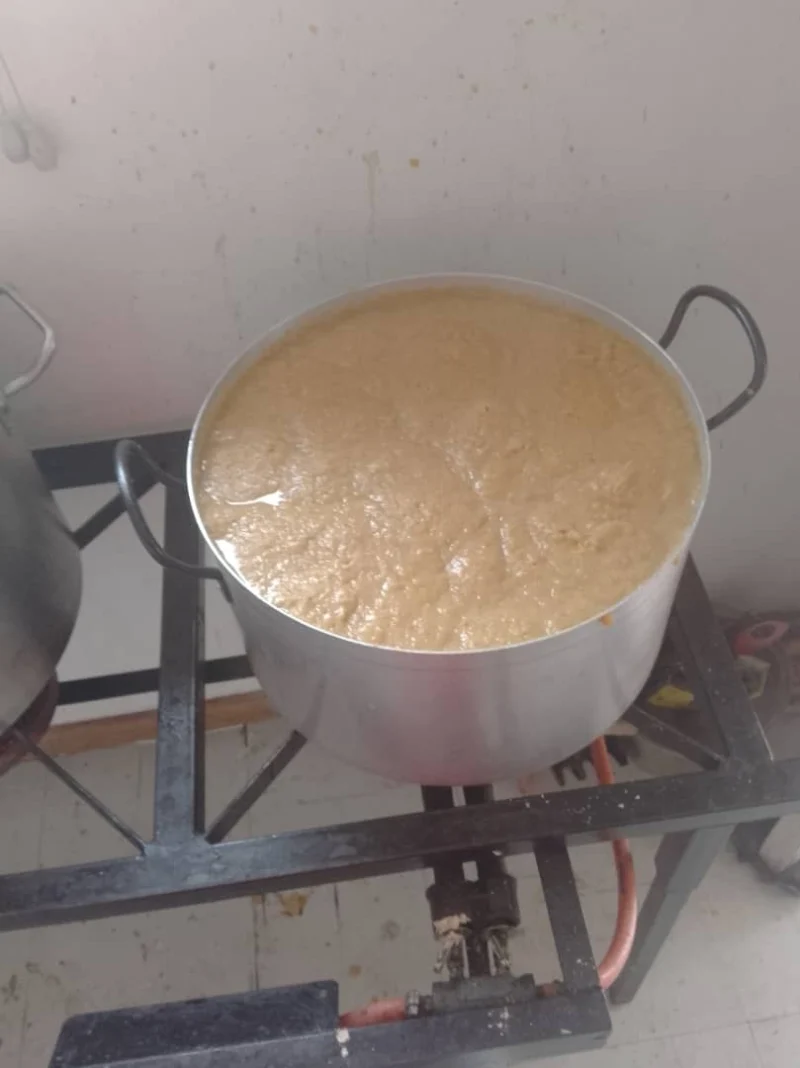
Bogobe jwa Lerotse
bo-go-bay jah leh-roh-tsay
· Lerotse melon porridge
Maize meal porridge infused with lerotse melon.
Open Bogobe jwa Lerotse recipe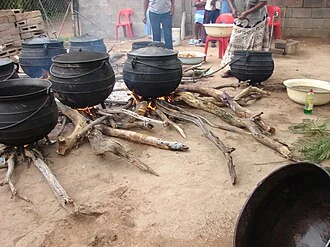
Main course
Meat
Seswaa
sess-wah
· Pounded beef stew
A savory slow-cooked beef stew, pounded to tenderness.
Open Seswaa recipe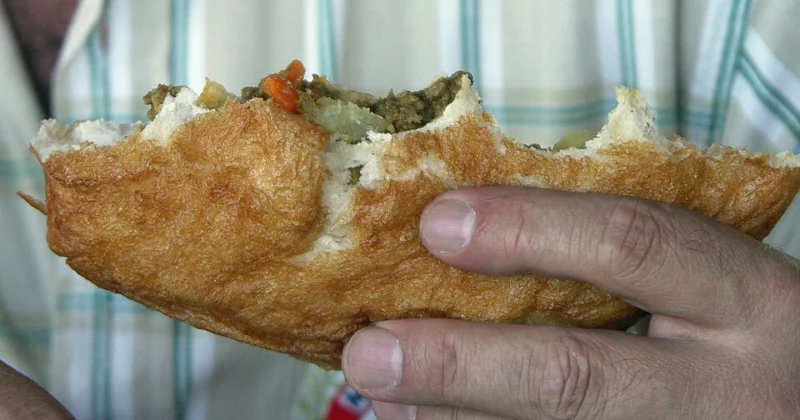
Snack
Vegetarian
Vetkoek
fet-cook
· Deep-fried dough ball
Fried dough, often filled with savory or sweet ingredients.
Open Vetkoek recipe🌱
Main course
Vegan
Dikgobe
dee-kho-bay
· Beans and sorghum porridge
Nutritious porridge made with beans and sorghum.
Open Dikgobe recipe🌱
Side dish
Vegan
Morogo
moh-roh-goh
· Wild spinach greens
Nutritious wild spinach cooked with tomato and onion.
Open Morogo recipe