Explore Guides
OCEANIA / AUSTRALIA
Triplandio Sydney guide covers 13 travel guides across 32 areas, complete with hotel picks. Explore 52 self-guided walking tours in Sydney with 230 POI, spanning 149.9 km in total. Get inspired by 18 local dishes, complete with recipes and our unique Food Flavour DNA graph.
Sydney
City & Country Data Sydney (Australia)

Key travel data for Sydney — local prices, safety, healthcare, local currency and essentials, curated by Triplandio.
🌍 Australia
Safety
86
Health
83
Lifestyle
87
Infra
83
Rank
#17
Score
66
Tourists
1.8M/y
GDP/cap
$65.1k
Life Exp
83.1 yrs
Population
27.6M
Currency
AUD A$
Language
English
Payments
Cashless
Emergency
000
💰 Prices in Sydney
Coffee
$3.50
Beer
$8.00
Lunch
$15.00
Groceries
$100.00/w
Taxi/km
$2.00
Transit
$3.00
Fuel
$1.50/l
Internet
$1.50/m
Salary
$3,000/m
Travel tipsSydney (Australia)

Quick tips
- Swim between the red and yellow flags — Critical
Rip currents can drag even strong swimmers out to sea at any Australian beach. Swim only at patrolled beaches between the red-and-yellow flags, where lifesavers are watching.
- Crocodiles live in the tropical north — Critical
Saltwater crocodiles live in rivers, estuaries and the sea across northern Australia, from Queensland to Western Australia. Obey warning signs and never swim in creeks or rivers in croc country.
- Declare all food at the border — Caution
Australia's strict biosecurity rules mean you must declare food, plant and animal products, including wooden souvenirs, or bin them at the airport. Luggage is X-rayed and undeclared items can bring a heavy fine.
- Vapes need a prescription — Caution
In Australia you can only buy nicotine vapes with a prescription from a pharmacy, and there are strict limits on bringing vaping goods into the country. Check the rules before packing any.
- Get your visa before you fly — Good to know
Every visitor except New Zealanders needs a visa before boarding. Most tourists apply online for an Electronic Travel Authority (ETA) through the official app or an eVisitor visa, depending on nationality.
- Do
- Declare food on arrival
- Swim between the red and yellow flags
- Wear sunscreen and a hat
- Carry water on every drive
- Buy your round at the pub
- Don’t
- Swim in rivers in croc country
- Pack a vape without checking the rules
- Drive tired after a long flight
- Climb or photograph sacred sites
- Leave bags in view in a car
Critical
Prison or heavy penalty possible
Laws & fines
- Drug importing means prison — Critical
Australian authorities prosecute anyone importing or trafficking illegal drugs, and conviction brings long prison sentences and deportation. Never carry a bag or parcel for someone else.
- Drink-driving penalties are severe — Critical
Driving under the influence of alcohol or drugs is illegal and police run random roadside breath and drug tests. The standard limit is lower than in some countries, so don't drink at all if you're driving.
Beaches & adventure
- Check the depth before diving in — Critical
Visitors have been badly injured diving into shallow water in Australia. Check the depth first and never dive from rocks or piers where signs forbid it.
- Stinger season in tropical waters — Critical
Box jellyfish and the tiny Irukandji jellyfish can be deadly in northern Australian waters, mainly November–May. Wear a full-body stinger suit and swim in netted enclosures where provided.
- Check for bushfire warnings — Critical
Bushfires can start near towns and change direction suddenly, especially November to February. Before hiking or driving through bush, check the Bureau of Meteorology (BOM) Weather app and state apps such as VicEmergency or Hazards Near Me, and leave early if told to.
- Prepare for the outback — Critical
Distances between towns can be hundreds of kilometres. Carry plenty of water, fuel and a spare tyre, tell someone your route, and stay with your vehicle if it breaks down.
- Never drive into floodwater — Critical
Heavy rain and tropical cyclones can cause flash floods in Australia, and spillways, floodplains and drains can be submerged within minutes. Never drive through floodwater and follow any stay-at-home or leave-now orders.
Caution
Fines, losses or injury possible
Scams & safety
- Rip currents at Bondi and Sydney beaches — Caution
Bondi and other Sydney ocean beaches have strong rip currents that catch visitors every summer. Swim only between the lifeguards' flags, and stay out of rock pools and ocean baths when big waves are breaking over them.
Laws & fines
- No smoking in enclosed public spaces — Caution
Smoking is illegal in enclosed public places in every Australian state, and many states also ban it at outdoor dining areas, beaches and near playgrounds. Look for signs; fines apply.
- Alcohol-free zones in parks and streets — Caution
Many Australian councils ban drinking alcohol in certain streets, parks and beaches, marked by signs. Police can confiscate your drinks and fine you.
- Always wear a seat belt — Caution
Seat belts are compulsory for every passenger in Australia, and using a hand-held phone while driving is illegal. Speed and phone cameras are common and fines are high.
Entry & visa
- Declare items that may be taxed — Caution
You must declare goods that may be prohibited or liable to duty, including large amounts of alcohol, tobacco and vaping products. Undeclared items can be seized and fined.
Health
- The sun burns fast — Caution
Australia has some of the world's strongest UV levels, and you can burn in under 15 minutes on a summer day. Wear sunscreen, a hat and sunglasses and cover up at midday.
Beaches & adventure
- Snakes, spiders and sharks — Caution
Australia has venomous snakes and spiders and occasional shark attacks. Wear boots on bush walks, don't touch snakes, and avoid swimming at dawn, dusk or near river mouths.
- Hike prepared for heat — Caution
Australian heat can be extreme, and help can take hours to reach you in national parks. Start early, carry more water than you think you need, and check park alerts.
Good to know
Rules and useful facts
Scams & safety
- Travel advisory: Level 1 of 4 — Good to know
Exercise Normal Precautions — the U.S. State Department's rating for Australia.
- Pickpockets at Circular Quay and Darling Harbour — Good to know
Sydney is safe, but pickpockets work the crowds at Circular Quay, Darling Harbour and on busy trains. Keep phones and wallets zipped away, especially during events and fireworks.
- Late-night trouble in nightlife areas — Good to know
Alcohol-fuelled fights sometimes break out late at night around Kings Cross and George Street. Leave before closing time crowds spill out and take a registered taxi or rideshare home.
Laws & fines
- Carry ID for pubs and bars — Good to know
Bars and clubs in Australia check ID at the door, often for everyone. Carry your passport or a photo driving licence; a photocopy is usually not accepted.
Customs
- Respect Aboriginal sacred sites — Good to know
Many places, including Uluru, are sacred to Aboriginal and Torres Strait Islander peoples. Climbing Uluru is banned, and signs ask you not to photograph certain sites — follow them.
Entry & visa
- ETA or eVisitor visa — Good to know
Most tourists need an Electronic Travel Authority (ETA), applied for through the official Australian ETA app, or a free eVisitor visa, depending on nationality. Apply only through official government channels.
- Passport valid for your stay — Good to know
Australia only requires your passport to be valid for your whole stay, but countries you transit may want 6 months' validity.
- Fill in the Incoming Passenger Card — Good to know
On arrival you complete an Incoming Passenger Card, declaring food, plants, animal products and any recent contact with farms, wilderness or freshwater lakes in the past 30 days.
- Yellow fever certificate — Good to know
If you arrive from a country with a yellow fever risk, Australia requires proof of vaccination.
Health
- Tap water is safe — Good to know
Tap water is safe to drink in Australian cities and towns. In remote areas, check signs at campsites and taps.
- Hospital care costs without cover — Good to know
Healthcare in Australia is very good but expensive for visitors. Some nationalities, including the UK, get essential care under a reciprocal agreement, but it excludes ambulances and evacuation. Travel insurance is essential.
- Mosquito-borne diseases in the north — Good to know
Dengue and Japanese encephalitis occur in parts of northern Australia. Use insect repellent and cover up at dawn and dusk.
- Call 000 in an emergency — Good to know
The Australian emergency number for ambulance, police and fire is 000. From a mobile phone, 112 also works.
Beaches & adventure
- Be honest on dive medical forms — Good to know
Australian law requires a medical declaration before resort diving or snorkelling. Snorkelling deaths do happen, so declare any heart or lung condition truthfully.
Local tips
Local know-how
Getting around
- Airport train to the city — Local tip
The Airport Link train from Sydney Airport (SYD) reaches Central station in about 15 minutes. Fares include a station access fee, so a group of three or more may pay less by taxi or rideshare.
- Tap on with Opal or a bank card — Local tip
Sydney's trains, buses, ferries, metro and light rail all use the Opal system. Tap on and off with an Opal card, a contactless bank card or your phone; daily and weekly fare caps apply.
- Take the ferry to Manly — Local tip
Ferries from Circular Quay are regular public transport, paid with the same tap-on card. The Manly ferry gives one of the best views of the Harbour Bridge and Opera House.
- Taxis and ride-hailing apps — Local tip
Metered taxis, Uber and DiDi all operate in Sydney. At the airport, follow signs to the official taxi and rideshare pick-up zones; taxi fares from the airport include an access charge.
Customs
- Buy your round at the pub — Local tip
In Australian pubs, groups take turns buying a round of drinks, known as a “shout”. If someone buys you a drink, it's your shout next.
- Casual, but polite — Local tip
Australians are informal and use first names quickly. Saying please and thank you, queuing patiently and not boasting go a long way.
- Bring your own bottle (BYO) — Local tip
Some Australian restaurants let you “bring your own” (BYO) wine. A small corkage fee per person or bottle is often charged.
Tipping & money
- Tipping is optional — Local tip
Australian staff earn a proper minimum wage, so tipping isn't expected. In restaurants, about 10% for great service is appreciated; taxi drivers and bar staff don't expect tips.
- Card payments carry a surcharge — Local tip
Many Australian shops and cafés add a small surcharge for card payments, shown at the till. Cash is rarely needed — contactless cards and phones work almost everywhere.
- Weekend and holiday surcharges — Local tip
Cafés and restaurants often add a surcharge on Sundays and public holidays to cover higher staff wages. It should be shown on the menu.
- Claim back GST when you leave — Local tip
Prices include 10% goods and services tax (GST). Under the Tourist Refund Scheme (TRS) you can claim it back at the airport on goods over 300 Australian dollars bought from one shop within 60 days of departure.
- Prices are fixed — Local tip
Bargaining isn't done in Australian shops or markets, except perhaps when buying a used car or camper van.
Through the year
Festival or season Public holiday (exact date)
- Bushfire season
Oct 2026–Feb 2027 · Hot, dry, windy days bring fire danger across southern and eastern Australia. Parks and roads can close at short notice.
- Wet season in the tropical north
Nov 2026–Apr 2027 · Heavy rain, floods and tropical cyclones hit Queensland, the Northern Territory and northern Western Australia; some roads and parks such as Kakadu partly close.
- Stinger season
Nov 2026–May 2027 · Dangerous jellyfish are most common off tropical Queensland and the Northern Territory; wear a stinger suit to swim.
- Summer holidays
Dec 2026–Jan 2027 · Christmas to late January is Australia's school summer holiday: beaches, campsites and flights are busiest and most expensive.
- New Year's Eve fireworks
Dec 2026 · Harbour foreshore vantage points fill up by the afternoon and some are ticketed; trains run all night.
- Christmas Day (regional holiday)
Fri 25 Dec 2026 · Public holiday
- Boxing Day
Sat 26 Dec 2026 · Public holiday
- New Year's Day
Fri 1 Jan 2027 · Public holiday
- Australia Day
Tue 26 Jan 2027 · Public holiday
- Sydney Gay and Lesbian Mardi Gras
Feb–Mar 2027 · One of the world's biggest Pride festivals, ending in a night parade along Oxford Street; book rooms early.
- Labour Day (Western Australia)
Mon 1 Mar 2027 · Public holiday
- Labour Day (Victoria)
Mon 8 Mar 2027 · Public holiday
- Eight Hours Day (Tasmania)
Mon 8 Mar 2027 · Public holiday
- Good Friday (regional holiday)
Fri 26 Mar 2027 · Public holiday
- Holy Saturday (regional holiday)
Sat 27 Mar 2027 · Public holiday
- Easter Sunday (regional holiday)
Sun 28 Mar 2027 · Public holiday
- Easter Monday (regional holiday)
Mon 29 Mar 2027 · Public holiday
- ANZAC Day
Sun 25 Apr 2027 · Public holiday
- Vivid Sydney
May–Jun 2027 · Light projections on the Opera House and around the harbour draw huge evening crowds for about three weeks.
- May Day (Northern Territory)
Mon 3 May 2027 · Public holiday
- Labour Day (Queensland)
Mon 3 May 2027 · Public holiday
- Winter in the south
Jun–Aug 2027 · Melbourne, Tasmania and the southern states are cool and wet, while the tropical north is at its driest and busiest.
- King's Birthday (Cocos and Keeling Islands)
Mon 7 Jun 2027 · Public holiday
- King's Birthday (regional holiday)
Mon 14 Jun 2027 · Public holiday
- King's Birthday (Western Australia)
Mon 27 Sep 2027 · Public holiday
- Labour Day (regional holiday)
Mon 4 Oct 2027 · Public holiday
- King's Birthday (Queensland)
Mon 4 Oct 2027 · Public holiday
Sources: GOV.UK travel advice · U.S. State Dept · Google public holidays
Best time to visit Sydney (Australia)
Now (November) avg high: 25°C, wetter month, moderate crowds. Best months to walk: Sep & Oct.
Live Temp
…
~Day / Night Temp
25°C / 16°C
Sunrise / Sunset
4:49 / 18:29
Local time
0:00
Sea Temp
20°C
Best Months  Sep & Oct
J
Jan
F
Feb
M
Mar
A
Apr
M
May
J
Jun
J
Jul
A
Aug
S
Sep
O
Oct
N
Nov
 D
Dec
O
Oct
N
Nov
D
Dec
Check Sydney hotels
Temperature
Average daytime high, month by month. Zero line marks freezing point.
Crowds
How busy it gets — traveller interest by month.
Sea temperature
Sea warmth for swimming, by month.
Rainfall
Rainy days to expect each month.
Sunshine
Hours of sun per day, by month.
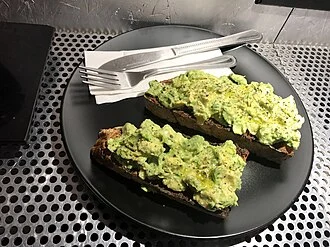
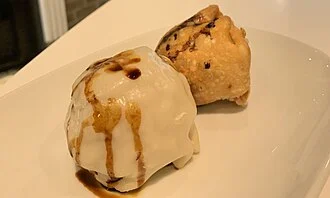
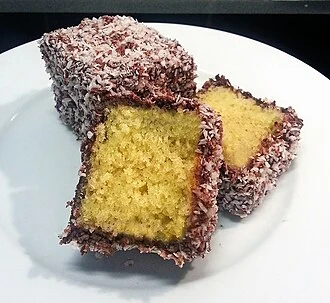
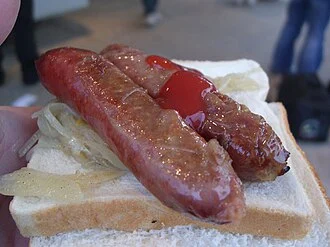
A savory pie filled with seasoned meat and gravy, enclosed in flaky pastry. Smashed avocado on toasted sourdough, often topped with eggs or feta. Grilled white fish native to Australian waters. A deep-fried roll filled with meat and vegetables. A Chinese-influenced snack combining pork and cabbage sealed in a dough. Sponge cake squares dipped in chocolate and rolled in coconut. Grilled sausage on bread served at community gatherings.
Traditional Local Food
Sydney (Australia)
 Main course
Meat
Australian Meat Pie
uh-STRAYL-yuhn meet pie
Snack
Vegetarian
Avocado Toast
av-oh-KAH-doe toast
🐟
Main course
Fish & Seafood
Barramundi
Bar-rah-mun-dee
🥩
Street food
Meat
Chiko Roll
Snack
Meat
Dim Sim
Dessert
Vegetarian
Lamingtons
LAY-ming-tons
Snack
Meat
Sausage Sizzle
SAW-sij sizz-l