Explore Guides
EUROPE / MONTENEGRO
Triplandio Ulcinj guide covers 4 travel guides across 14 areas, complete with hotel picks. Explore 14 self-guided walking tours in Ulcinj with 20 POI, spanning 46.6 km in total. Get inspired by 2 local dishes, complete with recipes and our unique Food Flavour DNA graph.
Ulcinj
City & Country Data Ulcinj (Montenegro)

Key travel data for Ulcinj — local prices, safety, healthcare, local currency and essentials, curated by Triplandio.
🌍 Montenegro
Safety
73
Health
43
Lifestyle
71
Infra
50
Rank
#57
Score
43
Tourists
351K/y
GDP/cap
$14.8k
Life Exp
77.9 yrs
Population
623.1K
Payments
Cards OK
Emergency
112
💰 Prices in Ulcinj
Coffee
$2.00
Beer
$2.00
Lunch
$10.00
Groceries
$25.00/w
Taxi/km
$1.00
Transit
$1.00
Fuel
$1.40/l
Internet
$23.00/m
Salary
$500/m
Travel tipsUlcinj (Montenegro)

Quick tips
- Declare strong prescription medicines — Critical
Medicines containing narcotics, such as strong painkillers, must be declared at Montenegrin customs. Bring no more than 30 days' supply, with a doctor's letter less than 90 days old.
- Never photograph police or soldiers — Critical
Taking photos of police or military buildings, staff or vehicles in Montenegro is illegal and can lead to arrest and prosecution.
- Register within 24 hours of arrival — Caution
Every visitor to Montenegro must be registered with the local tourist office or police within 24 hours. Hotels do it for you, but in private rentals check that the host has, or do it yourself — otherwise you risk a fine or detention.
- Always carry ID — Caution
You must carry your passport or photocard driving licence at all times in Montenegro, and police can fine you if you don't have it on you.
- Use the pedestrian crossing — Caution
In Montenegro you can be fined for crossing the road within 100 metres of a pedestrian crossing without using it. Drivers don't always stop, so cross with care even on green.
- Do
- Check you're registered within 24 hours
- Carry your passport or licence
- Agree the taxi fare first
- Cover up in monasteries
- Stay on marked mountain paths
- Don’t
- Cross the road away from crossings
- Photograph police or soldiers
- Speed, even slightly
- Throw cigarette ends in dry areas
- Leave luggage in a parked car
Critical
Prison or heavy penalty possible
Laws & fines
- Drug penalties are severe — Critical
Possessing, using or smuggling any illegal drug in Montenegro, including cannabis, can bring a long prison sentence and heavy fines. Airport scanners also check transit passengers' bags.
- Low drink-driving limit — Critical
Montenegro's drink-driving limit is low — the safest choice is not to drink at all before driving. Traffic penalties range from fines of 20 euros to 6,000 euros, up to prison.
Beaches & adventure
- Wildfires in dry months — Critical
Wildfires are common in Montenegro from April to October. Never throw cigarette ends from cars or light fires outdoors, and follow evacuation orders.
Caution
Fines, losses or injury possible
Scams & safety
- Kitesurf only with a school — Caution
Velika Plaža, the long beach south of Ulcinj, is a popular kitesurfing spot. Learn with an established school and keep clear of kite lines if you're swimming nearby.
Laws & fines
- Speeding by just 10 km/h is fined — Caution
Police in Montenegro can fine you for driving just 10 km/h over the limit. Heavy speeding or dangerous overtaking means your licence is taken on the spot.
- Declare cash and valuables — Caution
Declare cash of 10,000 euros or more, and valuable items such as expensive jewellery or camera and computer equipment, at Montenegrin customs so you can take them out again.
Tipping & money
- Use cash machines inside banks — Caution
Card skimming happens in Montenegro. Use cash machines inside banks where possible, check street machines for tampering and keep your card in sight when paying.
Entry & visa
- No meat or dairy products — Caution
You can't bring meat, milk or products containing them into Montenegro. Exceptions include powdered baby milk and some medical foods.
Beaches & adventure
- Watch out for boats when swimming — Caution
Speedboats and jet-skis run close to Montenegrin beaches in summer. Swim inside marked swimming areas, follow lifeguards and flags, and watch for sea urchins on rocks.
- Check paragliding licences — Caution
Tandem paragliding is popular above Budva. Before you fly, ask to see the instructor's licence for tandem flights and check your insurance covers it.
- Jet-skis and quad bikes — Caution
Before renting a jet-ski or quad bike in Montenegro, get a safety briefing and clear rules on where you can ride, and check you have the right licence and insurance.
- Stay on marked mountain paths — Caution
Hikers have got lost in Montenegro's mountains after leaving marked trails, for example in Durmitor. Take a charged phone, enough water and food, and tell someone your route.
- Take care in the Morača Canyon — Caution
The narrow two-lane road through the Morača Canyon between Podgorica and the north is dangerous in bad weather and heavy traffic. Drive it in daylight and don't overtake on bends.
Good to know
Rules and useful facts
Scams & safety
- Travel advisory: Level 1 of 4 — Good to know
Exercise Normal Precautions — the U.S. State Department's rating for Montenegro.
- Keep valuables off the beach — Good to know
Pickpocketing and theft from towels happen on busy beaches around Ulcinj in summer. Take only what you need and don't leave phones or wallets unattended while you swim.
Laws & fines
- Pay traffic fines within 8 days — Good to know
A traffic fine in Montenegro is usually paid at a bank or post office within 8 days, or before you leave the country. Unpaid fines are recorded against foreign drivers.
- Keep affection low-key — Good to know
Montenegro is generally tolerant, but same-sex couples showing affection in public may attract negative attention, especially outside the coastal resorts.
Tipping & money
- Montenegro uses the euro — Good to know
Montenegro isn't in the EU but uses the euro as its currency. Card payments are common in towns, but carry cash for small cafés, markets and beach bars.
Entry & visa
- Check your passport dates — Good to know
Your passport must be less than 10 years old on the day you enter Montenegro and valid for at least 3 months after the day you plan to leave.
- 90 days, separate from Schengen — Good to know
Many visitors, including British, can stay in Montenegro visa-free for 90 days in any 180. Montenegro isn't in the Schengen area, so days there don't count towards your Schengen limit.
- Get your passport stamped — Good to know
Make sure border officers stamp your passport on entry to and exit from Montenegro. The dated stamp proves how long you've stayed.
- Arriving by yacht — Good to know
If you sail to Montenegro, enter only at a designated port of entry. If that's impossible, contact the harbour master or police before arriving.
Health
- Emergency care and insurance — Good to know
With a UK Global Health Insurance Card (GHIC) and passport, UK visitors can get a certificate for free emergency care in state facilities. Without it, you pay and can't reclaim the cost, so take travel insurance too.
- Ticks in forests and meadows — Good to know
Ticks in Montenegro's woods and mountain pastures can spread tick-borne encephalitis (TBE), a brain infection. Use repellent, and check your skin after hikes.
- Summer heat in Podgorica — Good to know
The capital Podgorica and the inland valleys regularly pass 35°C in July and August. Drink plenty of water and avoid long walks in the midday sun.
- Emergency number 112 — Good to know
Dial 112 in Montenegro for an ambulance, police or fire service. For an accident at sea, call 129 to reach the maritime rescue service.
Local tips
Local know-how
Scams & safety
- Slippery old-town lanes — Local tip
The stone lanes of Ulcinj's hilltop old town are steep and polished smooth. Wear shoes with grip, especially after rain or at night.
Getting around
- Nearest airports — Local tip
Ulcinj has no airport. Podgorica Airport (TGD) is about 1.5 hours away by road and Tivat Airport (TIV) around 2 hours; book a transfer or take a taxi.
- Train to Bar, then bus — Local tip
Trains from Podgorica run to the port of Bar, about 30 km north of Ulcinj. Buses and taxis cover the last stretch in roughly 40 minutes.
- Getting to the beaches — Local tip
Velika Plaža starts a few kilometres south of the town centre. Taxis and summer minibuses run there; agree taxi fares in advance.
Customs
- Cover up in monasteries — Local tip
Orthodox monasteries such as Ostrog expect covered shoulders and knees; women may be asked to wear a skirt. Many provide wraps at the entrance.
- Coffee takes its time — Local tip
Sitting over a coffee for an hour is a way of life in Montenegro, and waiters won't rush you or bring the bill until you ask for it.
- Tread carefully with politics — Local tip
National identity, religion and relations with Serbia are sensitive subjects in Montenegro. Avoid calling Montenegrins Serbs, and let locals lead any political conversation.
- Toast with eye contact — Local tip
When raising a glass in Montenegro, say “Živjeli” (cheers) and look each person in the eye as you clink glasses.
Tipping & money
- Tipping in restaurants — Local tip
Service is rarely included in Montenegrin restaurants. Rounding up or leaving about 10% for good service is normal.
- Sunbeds usually cost extra — Local tip
On many Montenegrin beaches, the front rows are taken by paid sunbeds and umbrellas run by beach bars. Check the price first, or look for the free public section.
Say it locally
Montenegrin is written in both Latin and Cyrillic script and is close to Serbian, Croatian and Bosnian — a “hvala” is always welcome.
Through the year
Festival or season Public holiday (exact date)
- Njegoš Day
13–14 Nov 2026 · Public holiday
- Ski season
Dec 2026–Mar 2027 · Skiing at Kolašin and Žabljak in the northern mountains; many coastal hotels and restaurants close in winter.
- New Year's Day
1–2 Jan 2027 · Public holiday
- Mimosa Festival
Feb 2027 · Herceg Novi celebrates the mimosa blossom with parades and music at the end of winter.
- Wildfire season
Apr–Oct 2027 · Hot, dry weather brings frequent wildfires; roads can close and smoke can drift over the coast.
- Shoulder seasons
May–Jun 2027, Sep–Oct 2027 · Warm sea, fewer crowds and lower prices on the coast; ideal for hiking in the mountains too.
- Labour Day
1–2 May 2027 · Public holiday
- Independence Day
21–22 May 2027 · Public holiday
- Peak beach season
Jul–Aug 2027 · Coastal towns are crowded and roads and border crossings jam; book accommodation early.
- Statehood Day
13–14 Jul 2027 · Public holiday
Sources: GOV.UK travel advice · U.S. State Dept · Google public holidays
Best time to visit Ulcinj (Montenegro)
Now (November) avg high: 15°C, wetter month, moderate crowds. Best months to walk: Jul & Jun.
Live Temp
…
~Day / Night Temp
15°C / 9°C
Sunrise / Sunset
7:22 / 17:32
Local time
18:59
Sea Temp
19°C
Best Months  Jul & Jun
J
Jan
F
Feb
M
Mar
A
Apr
M
May
J
Jun
J
Jul
A
Aug
S
Sep
O
Oct
N
Nov
 D
Dec
J
Jul
A
Aug
S
Sep
O
Oct
N
Nov
D
Dec
Check Ulcinj hotels
Temperature
Average daytime high, month by month. Zero line marks freezing point.
Crowds
How busy it gets — traveller interest by month.
Sea temperature
Sea warmth for swimming, by month.
Rainfall
Rainy days to expect each month.
Sunshine
Hours of sun per day, by month.
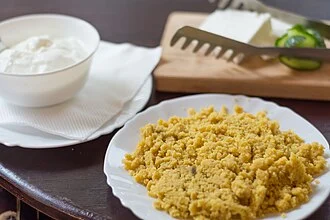
A traditional Montenegrin dish made from potatoes and cornmeal. A savory pie made with thin layers of dough filled with cheese.
Traditional Local Food
Ulcinj (Montenegro)
Main course
Vegetarian
Kačamak
Качамак
Kah-cha-mak
· Creamy potato and cornmeal dish
Main course
Vegetarian
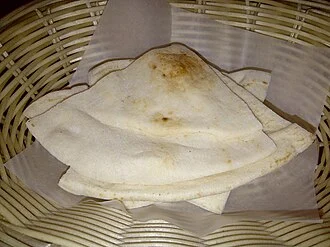
Pita
Пита
Pee-tah
· Layered pastry with cheese